
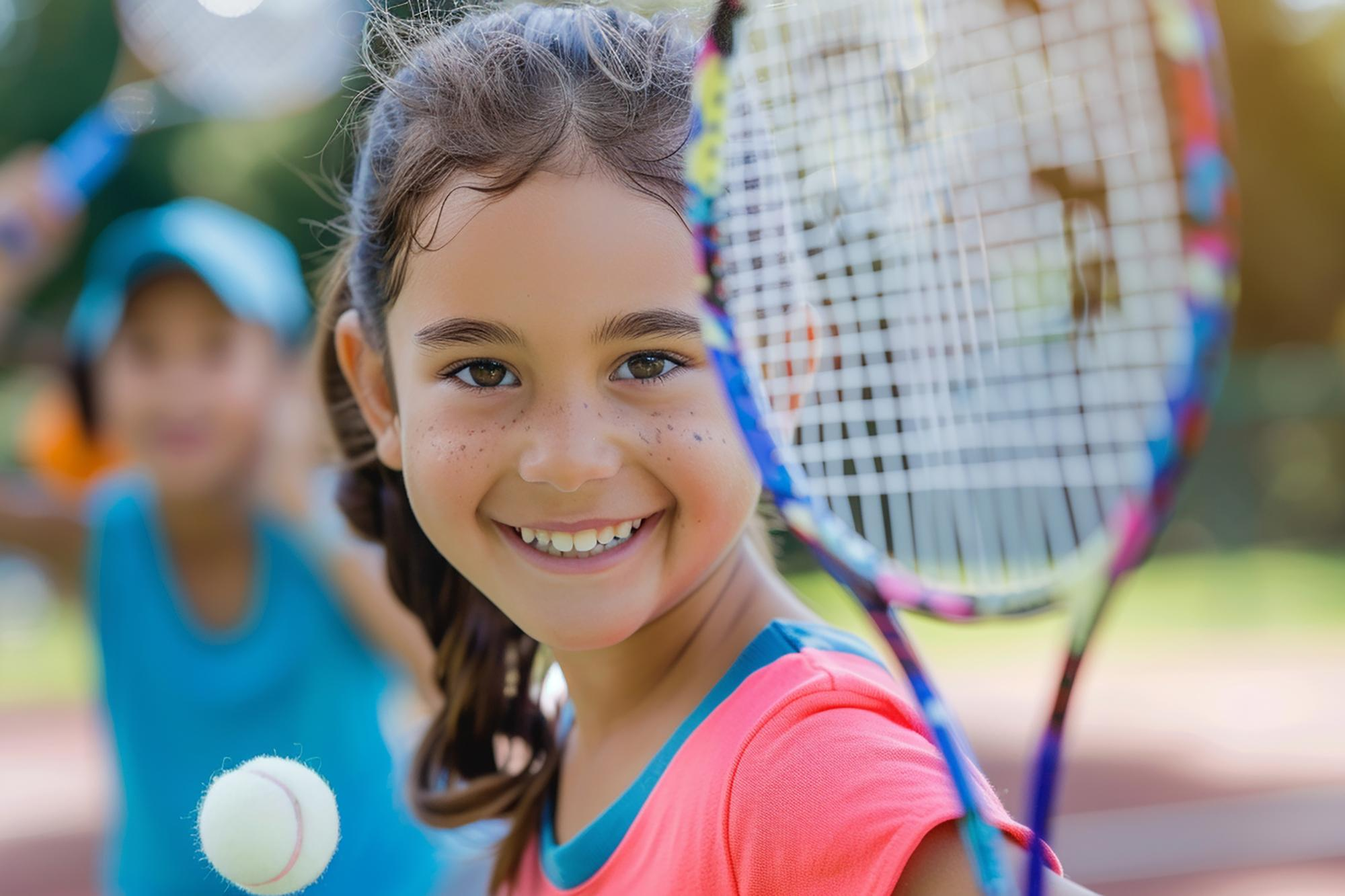
A tennis session is much more than learning how to hit a ball over a net. For children, it becomes an engaging and dynamic way to develop essential physical and mental skills. Through movement, repetition, and play, tennis naturally supports improvements in balance, focus, and coordination—three key elements that benefit children both on and off the court.
Unlike some activities that isolate specific skills, tennis combines multiple abilities at once. Every swing, step, and decision requires the body and mind to work together. This is why even a simple tennis session can have a powerful impact on a child’s overall development.
Developing Balance Through Movement
Balance is one of the first skills children begin to strengthen during a tennis session. From the moment they step onto the court, they are constantly adjusting their body position—whether preparing to hit the ball, changing direction, or stopping quickly.
In tennis, balance is not static; it is dynamic. Children learn to stay stable while moving, which is a much more complex skill. For example, when a child runs to reach the ball, they must control their body, plant their feet, and maintain stability while swinging. These repeated actions gradually improve their ability to stay balanced in different situations.
This type of movement is similar to what children experience in a Childrens football club, where quick changes in direction and body control are also essential. Both activities encourage children to become more aware of their bodies and how they move through space.
Over time, improved balance helps children feel more confident in their movements. They become less hesitant and more willing to engage in physical activities, knowing they can control their bodies effectively.
Enhancing Focus Through Engagement
Focus is another key skill that develops naturally during a tennis session. Unlike passive activities, tennis requires constant attention. Children must watch the ball, anticipate its direction, and decide how to respond—all within a matter of seconds.
This level of engagement keeps their minds active. They are not just reacting; they are thinking ahead. Where will the ball land? How should they position themselves? When is the right moment to swing? These questions are answered in real time, helping children strengthen their concentration.
Childrens football training also encourages this type of focus, but tennis offers a slightly different challenge. Because it often involves one-on-one or small group play, children are more directly involved in every moment. There is little opportunity to disengage, which helps build sustained attention.
As children continue to participate in tennis sessions, they often find it easier to concentrate in other areas of life as well. The ability to focus on a task, follow through, and stay engaged becomes a transferable skill.
Coordination: Bringing Everything Together
Coordination is perhaps the most obvious skill developed during a tennis session. Hitting a moving ball with a racket requires precise timing, hand-eye coordination, and body control.
At first, this can be challenging. Children may miss the ball or mistime their swings. However, with practice, their movements become more refined. They begin to understand how to position themselves, when to swing, and how to adjust based on the ball’s speed and direction.
This process strengthens the connection between the brain and the body. Children learn to synchronize their movements, making their actions smoother and more controlled. This improved coordination can benefit a wide range of activities, from other sports to everyday tasks.
In comparison, football training develops coordination in a different way—primarily through footwork and spatial awareness. Together, activities like football clubs and tennis sessions provide a well-rounded approach to physical development.
The Role of Repetition and Practice
One of the reasons a tennis session is so effective in building these skills is the use of repetition. Children practice similar movements multiple times, but in slightly different contexts. This variation keeps the activity interesting while reinforcing learning.
For example, hitting forehands, backhands, and volleys all require coordination, but each movement is unique. By practicing these variations, children develop a broader range of motor skills.
Repetition also builds muscle memory. Over time, movements that once required effort become more natural. This allows children to focus on other aspects of the game, such as strategy or positioning, further enhancing their overall development.
Building Confidence Alongside Skills
As children improve their balance, focus, and coordination, they also gain confidence. Each successful hit, each improved movement, and each moment of concentration reinforces their belief in their abilities.
A private tennis session can be particularly helpful in this area. With more individualized attention, children can progress at their own pace and receive feedback tailored to their needs. This supportive environment can accelerate both skill development and confidence.
Confidence plays a crucial role in enjoyment. When children feel capable, they are more likely to participate actively and challenge themselves. This creates a positive cycle where improvement leads to greater enjoyment, which in turn encourages more practice.
Learning Through Play and Exploration
A well-designed tennis session for children is not overly rigid. Instead, it incorporates elements of play and exploration. Games, challenges, and creative drills keep children engaged while still focusing on skill development.
This approach is similar to what is found in a Childrens football club, where learning is often disguised as play. Children may not realize they are improving their balance or coordination—they are simply enjoying the activity.
This sense of enjoyment is essential. When children have fun, they are more open to learning and more willing to try new things. They are less afraid of making mistakes, which allows them to progress more quickly.
Physical and Mental Benefits Combined
What makes a tennis session particularly effective is the combination of physical and mental engagement. Children are not only moving their bodies but also thinking, planning, and reacting.
This dual engagement strengthens neural connections, supporting overall development. Balance improves through physical movement, coordination through repeated actions, and focus through sustained attention.
These skills are interconnected. Improved balance can enhance coordination, while better focus can lead to more precise movements. Together, they create a strong foundation for physical literacy.
Adapting to Different Skill Levels
One of the strengths of a tennis session is its adaptability. Activities can be adjusted to suit different ages and abilities, ensuring that every child is appropriately challenged.
For younger children, this might involve larger targets, slower balls, or simplified movements. As they progress, the level of difficulty can increase, introducing more complex techniques and faster-paced play.
This gradual progression helps children build their skills step by step. They are not overwhelmed, which keeps the experience enjoyable and motivating.
Encouraging Long-Term Development
The skills developed during a tennis session extend far beyond the court. Improved balance, focus, and coordination can support success in other sports, including football training, as well as in everyday activities.
Children who develop these abilities early on often find it easier to learn new skills later. They have a strong foundation that allows them to adapt and grow in different environments.
Whether they continue with tennis, join football clubs, or explore other interests, the benefits remain. A tennis session becomes more than just a weekly activity—it becomes a building block for lifelong development.