
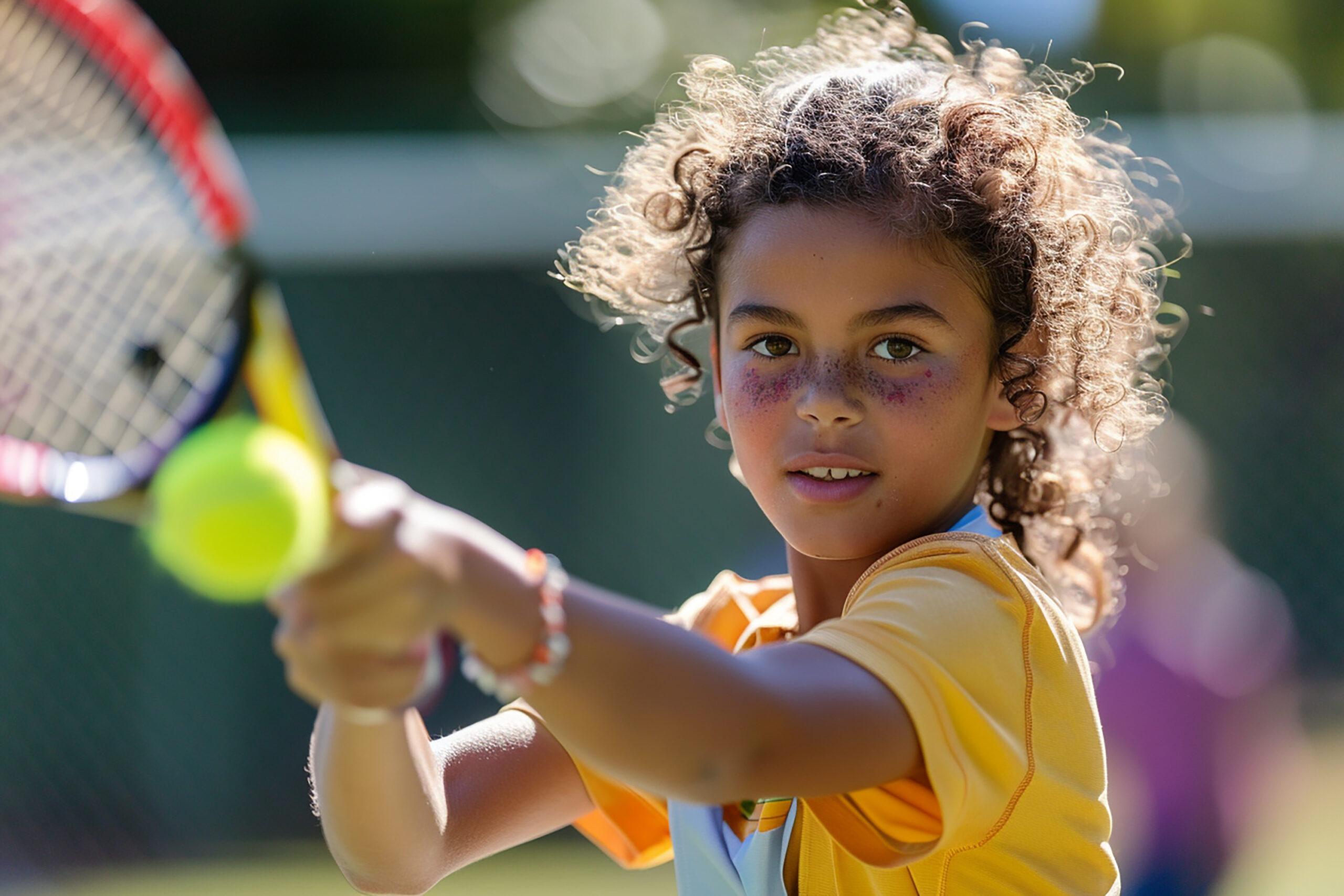
For many parents, a child’s first experience with sport is exciting, but it can also come with a few questions. Will they enjoy it? Will they feel confident? Will they understand what to do? These thoughts are completely natural, especially when trying something new. A first Tennis session is often a mix of curiosity, movement, learning, and fun, and understanding what usually happens can make the experience feel far more relaxed for both children and parents.
The first thing to know is that a child’s introduction to tennis is usually very different from the image adults may have of the sport. It is not typically a formal lesson filled with strict technique, long rallies, or intense competition. Instead, a beginner-friendly Tennis session is designed to help children feel comfortable, active, and engaged from the moment they step onto the court. The goal is not perfection. The goal is to create a positive first experience that encourages confidence and enjoyment.
Children often arrive at their first session with a wide range of emotions. Some are eager and full of energy, ready to run straight onto the court. Others may feel shy, uncertain, or even cling a little to a parent before the class begins. Both reactions are completely normal. A good coach understands this and will usually begin in a calm, welcoming way that helps every child settle in at their own pace.
One of the first things children can expect is a warm and friendly introduction. Coaches often greet each child, explain a few simple rules, and create an atmosphere that feels supportive rather than intimidating. This matters more than many people realise. Before children can enjoy learning a skill, they need to feel safe and included. In a well-run first Tennis session, the environment is built around encouragement, not pressure.
The structure of the lesson is usually simple and age-appropriate. For younger children, tennis is often introduced through games and playful movement activities rather than technical instruction alone. This means the session may begin with warm-up exercises that involve running, balancing, jumping, or reacting to visual and verbal cues. These activities help children wake up their bodies, focus their attention, and ease into the class without feeling overwhelmed.
This playful start is especially important because tennis requires more than just hitting a ball. It involves coordination, timing, balance, and awareness of space. A first Tennis session is often less about mastering strokes and more about helping children become comfortable with these basic movement patterns. Even simple activities like catching a ball, bouncing it, or moving sideways across the court are building blocks for future tennis skills.
Parents are sometimes surprised to see how much of an early tennis class focuses on general movement rather than traditional gameplay. But this is a very positive sign. Good beginner coaching recognises that children need to develop physical confidence before they can refine technique. Running to a marker, balancing while holding a racket, or tossing a ball in the air and catching it may look simple, but these exercises are laying strong foundations.
Children are also usually introduced to the racket in a fun and manageable way. The coach may show them how to hold it, how to carry it safely, and how to use it during games. At this stage, there is rarely an expectation that the child will get everything right immediately. In fact, the first experience is often about becoming familiar with the equipment and losing any nervousness around using it.
The balls used in a beginner Tennis session are often softer and easier to control than standard tennis balls. This helps children succeed more quickly and reduces frustration. Lower-compression balls bounce more slowly and are more suitable for smaller hands and developing coordination. Courts and equipment may also be adapted based on age, which makes the sport feel far more accessible to beginners.
As the session progresses, children may start trying simple racket-and-ball activities. They might tap the ball gently upwards, roll it along the ground, or practise hitting it after one bounce. These tasks are often introduced in a playful way, sometimes through mini-challenges or partner games. This keeps the atmosphere light while still helping children learn important basics.
A child’s first Tennis session is also likely to include plenty of listening and responding. Coaches give short, clear instructions and demonstrate movements in a way children can copy. This not only supports tennis development but also helps improve concentration and confidence in group settings. For some children, following instructions in a sporting environment is a valuable part of the experience in itself.
Social interaction is another important part of the first session. Even though tennis can be seen as an individual sport, early lessons often involve working in pairs, taking turns, and joining group games. This helps children feel part of the class and reduces the sense that they are performing alone. Many children relax more quickly once they realise the session is full of shared activities and friendly encouragement.
For a shy child, this can make a huge difference. They may not say much at first, but being part of a playful group often helps them settle naturally. A smile from a coach, a shared game with another child, or a moment of success can quickly build confidence. That is one reason a first Tennis session can be such a positive developmental experience, even beyond the sport itself.
Parents may also notice that coaches praise effort more than results. This is exactly as it should be. In a strong beginner environment, the focus is on participation, trying, listening, and having a go. Children are encouraged for their enthusiasm, their willingness to join in, and their small improvements throughout the lesson. This keeps the session enjoyable and helps children develop a healthy mindset around learning.
Some children will take to the activities immediately. Others may need time. It is common for one child to swing confidently at every ball while another watches for a few minutes before joining in fully. Neither reaction means much on its own. The first session is about exposure, not judgement. Children all adapt in different ways, and a quality coach understands how to support different personalities and levels of readiness.
A first Tennis session can also teach children a lot about patience. They learn to wait for their turn, watch demonstrations, and listen before beginning a game. These small routines are part of the structure that helps the lesson run smoothly. For younger children especially, this can be a useful way to develop focus and self-control in a setting that still feels active and enjoyable.
The physical side of the session is just as valuable. Tennis supports agility, balance, hand-eye coordination, and body awareness. Even in one beginner lesson, children are often practising movements that challenge them to stop and start, change direction, track a moving ball, and coordinate both sides of the body. These skills are useful not only in tennis, but across many other sports and daily activities.
Another thing parents can expect is plenty of repetition, though it rarely feels repetitive to the child. Coaches often build similar skills into different games and drills so children can practise without becoming bored. A child may chase, catch, tap, and throw balls in multiple ways throughout the class, all while thinking they are simply playing. This is one of the best features of a well-designed Tennis session. It blends learning with enjoyment so naturally that children stay engaged.
At times, there may be moments of frustration. A child might miss the ball several times or struggle to copy a movement straight away. This is completely normal. Learning a sport involves trial and error, especially at the start. What matters most is how the environment responds. In a positive class, mistakes are treated as part of the process, and children are encouraged to keep trying without embarrassment.
This is also where the coach makes a major difference. A good coach breaks tasks into manageable steps, keeps instructions simple, and notices when a child needs support or reassurance. They understand that the first Tennis session should leave a child feeling capable and happy, even if they have not mastered any obvious tennis technique yet. Success at this stage is often emotional as much as physical.
Some programmes also offer a Private tennis session for children who might benefit from one-to-one attention. This can be useful for children who are very shy, highly focused, or looking for a gentler introduction before joining a group. In a Private tennis session, the coach can adapt the pace entirely to the child and tailor activities to their personality and confidence level. While group sessions are excellent for social development, private lessons can be a helpful option in some cases.
That said, many children thrive in group tennis from the start. Watching other children participate can reduce nerves and create a sense of shared adventure. It also helps children understand that everyone is learning together. No one is expected to be perfect, and that shared beginner stage can be very reassuring.
It is also worth remembering that children may process the experience differently afterwards. Some will come off the court full of stories, eager to explain every game they played. Others may simply say they had fun and move on. A quieter response does not necessarily mean the session was unsuccessful. Sometimes children absorb a great deal internally and show their enthusiasm later, especially when it is time to return.
Parents often play an important role in shaping how the first session feels. Calm encouragement usually works best. Children tend to respond well when they feel supported but not pressured. A simple, positive attitude before and after the Tennis session can help them see the activity as something enjoyable rather than something they need to perform well in. The aim is to build comfort and curiosity.
It can also help for parents to focus on the experience rather than outcomes. Instead of asking whether the child played perfectly, it is often better to ask what game they liked, which activity made them laugh, or what they want to try again next time. These questions reinforce the idea that sport is about participation, discovery, and growth.
For children who already enjoy other activities, tennis can complement them beautifully. A child involved in Childrens football training, for example, may enjoy the quick footwork, reactions, and movement patterns that tennis also develops. Likewise, children who have experience in Football clubs may find that tennis offers a fresh challenge while still building coordination and confidence. Different sports often support one another by developing a broad range of physical and social skills.
One of the loveliest things about a child’s first tennis experience is that it often reveals new sides of their personality. A child who seems quiet in other environments may become energetic and determined on court. Another who is full of movement at home may show surprising concentration during a ball activity. Sport has a unique way of bringing out qualities that may not always appear in everyday routines.
Because of this, the first Tennis session should be viewed as an introduction, not a test. It is a beginning. It offers children a chance to explore movement, build confidence, and connect with a new activity in a setting that is playful and supportive. Whether they become immediately enthusiastic or take a few sessions to warm up, the experience can still be incredibly valuable.
Over time, the basics introduced in that first lesson can grow into much more. A child who starts by learning how to hold a racket and track a ball may gradually develop technique, resilience, focus, and a genuine love for the sport. But all of that begins with a simple first step: entering the court, meeting the coach, and discovering that tennis can be fun.
That is what parents can most expect from a child’s first Tennis session. Not pressure, not perfection, and not instant mastery, but movement, encouragement, new experiences, and the beginning of confidence. For many children, that first lesson is not just about tennis. It is about learning that trying something new can be exciting, manageable, and enjoyable in ways they may not have imagined.