
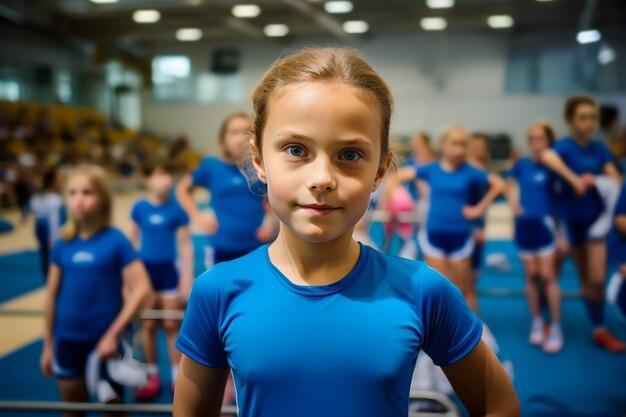
Childhood is a time of boundless energy, curiosity, and rapid growth. Introducing sports at an early age can significantly influence a child’s overall development, setting the foundation for a healthy and well-rounded future. Activities like children’s football training and tennis sessions are more than just play—they’re powerful tools for nurturing physical, social, and cognitive skills.
Physical Benefits: Building Strong Bodies
Engaging in sports like football and tennis helps children build strength, improve coordination, and develop motor skills. For toddlers and younger kids, the emphasis is often on gross motor skills—running, jumping, and kicking—all of which are central to football training. Tennis, on the other hand, refines fine motor skills such as hand-eye coordination and balance.
Participating in organized activities, such as those offered by children’s football clubs or tennis sessions, also encourages healthy habits. Regular movement fosters better posture, muscle development, and cardiovascular health, while also reducing the likelihood of childhood obesity.
Cognitive Growth Through Play
Sports offer a unique platform for early cognitive development. In football training, for example, children learn to anticipate the movement of the ball, strategize passes, and understand team dynamics. Tennis sessions teach focus, quick decision-making, and problem-solving as kids adapt to the pace of the game.
These activities also nurture memory and concentration. Following instructions during a game, recalling rules, and executing planned moves stimulate brain development, which translates into better academic performance.
Social Skills: Learning to Interact with Others
Being part of a children’s football club or engaging in a group tennis session introduces kids to essential social skills. They learn teamwork, communication, and conflict resolution—skills that will serve them well in school and beyond.
Football clubs, in particular, emphasize collaboration. Players rely on each other, celebrate wins together, and navigate losses as a team. Meanwhile, tennis sessions often balance solitary focus with social interactions, especially during doubles matches or group drills.
These environments also teach emotional regulation. A missed goal or lost point becomes an opportunity to manage disappointment, persevere, and try again.
Confidence and Self-Esteem
Mastering new skills in sports can significantly boost a child’s confidence. Scoring their first goal in a football match or successfully returning a serve in tennis gives children a sense of accomplishment. Coaches in children’s football clubs and tennis programs often provide constructive feedback, helping kids build resilience and a growth mindset.
Private tennis sessions can be particularly effective for shy or introverted children. One-on-one attention ensures they progress at their own pace, fostering self-assurance without the pressure of competing in a group.
The Role of Structured Sports Programs
Children’s football training and tennis sessions are carefully designed to balance structure with fun. These programs, often led by experienced and DBS-checked coaches, create an environment where kids feel safe to explore, learn, and grow. Age-specific activities ensure that the challenges are appropriate, keeping children engaged and motivated.
Private tennis sessions, for instance, allow coaches to tailor the experience to a child’s individual needs. This personalized attention can address specific areas of improvement while celebrating strengths, ensuring a well-rounded development.
Lifelong Benefits of Early Sports Involvement
Sports aren’t just about the here and now—they set the stage for lifelong habits. Children who start with football training or tennis sessions often carry a love for physical activity into adulthood. These early experiences shape their attitudes toward health, teamwork, and personal discipline.
Furthermore, being part of a children’s football club or taking private tennis sessions fosters a sense of community. The friendships and values learned on the field or court often extend into other areas of life, enriching their social and emotional well-being.
Through sports, children learn that growth is a journey, mistakes are stepping stones, and effort leads to improvement. The physical, cognitive, and emotional benefits they gain are invaluable, making early sports participation a cornerstone of childhood development.
Read More: Building Resilience Through Sports: Lessons from the Field and Court