
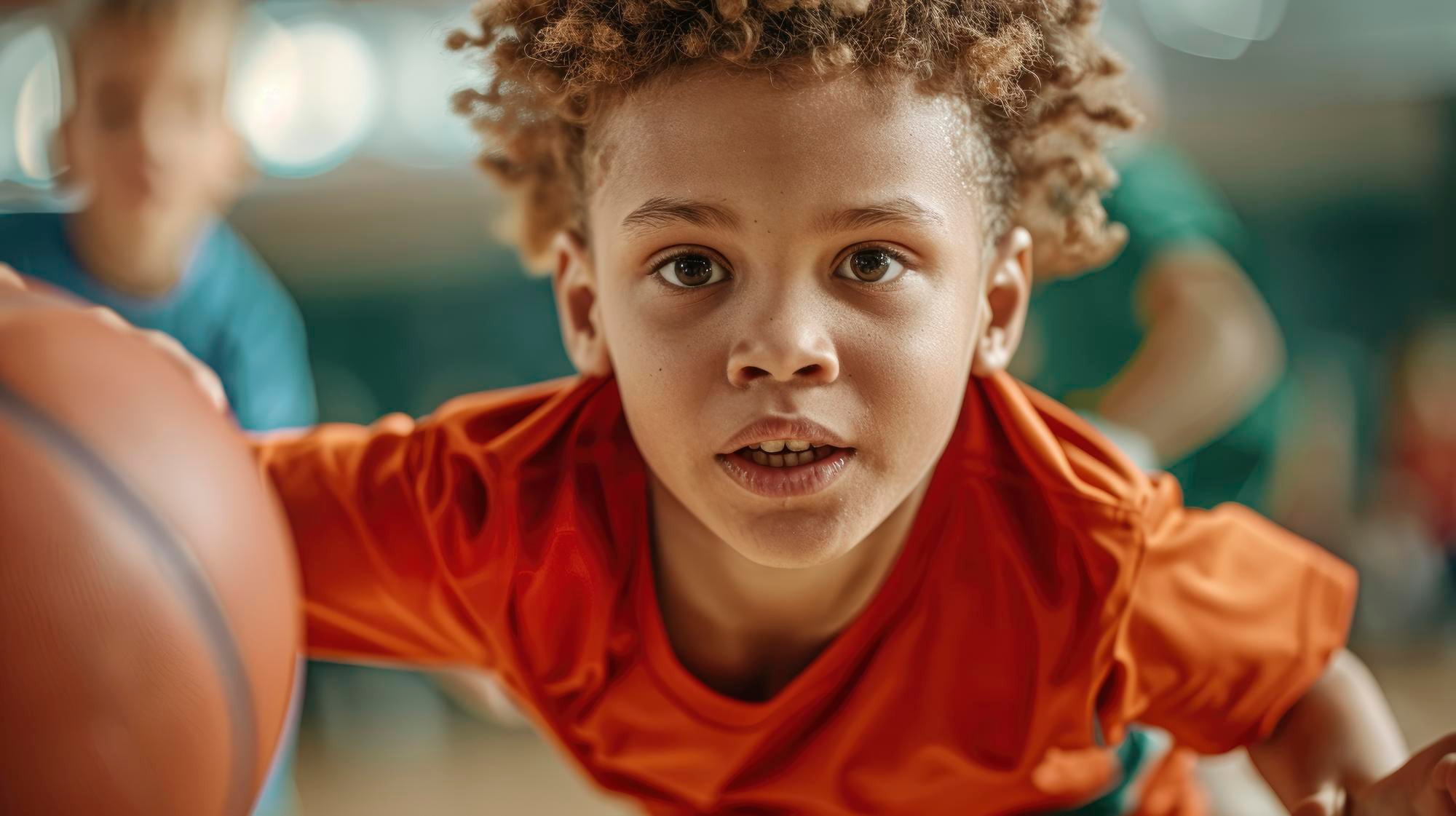
Sport has a unique way of teaching lessons that go far beyond physical activity. For children, it becomes a space where habits are formed, behaviors are shaped, and important life skills begin to take root. Among these, discipline and communication stand out as two of the most valuable skills children develop through consistent participation in activities like a Childrens football club or a tennis session.
These skills are not taught through lectures or instructions alone—they are experienced, practiced, and reinforced in real time.
Understanding Discipline Through Routine
Discipline often begins with structure. When children join football clubs or attend regular football training, they are introduced to routines that gradually shape their behavior.
Arriving on time, wearing the correct kit, listening to instructions, and following session rules all contribute to a sense of responsibility. These small actions may seem simple, but they build the foundation of discipline.
Over time, children begin to understand that consistency matters. Showing up prepared and ready to participate becomes part of their routine. This repeated behavior helps them develop self-discipline, which extends into other areas of life such as schoolwork and daily responsibilities.
Learning to Listen and Follow Instructionsc
8
One of the first steps in developing discipline is learning how to listen. In both Childrens football training and a tennis session, children must pay attention to coaches in order to understand drills and activities.
This process teaches them how to focus, process information, and respond appropriately. They learn that listening carefully helps them perform better and enjoy the activity more.
Following instructions also reinforces accountability. When children understand what is expected of them, they are more likely to take responsibility for their actions. This creates a sense of order and structure that supports both discipline and learning.
The Role of Repetition in Building Discipline
Repetition is a key element in sports training. Whether it’s practicing passes in football training or refining a swing in a private tennis session, children repeat movements and routines regularly.
This repetition helps build discipline by encouraging persistence. Children learn that improvement does not happen instantly—it requires effort and consistency.
Through this process, they begin to develop patience. They understand that mastering a skill takes time, and they become more willing to commit to the process. This mindset is an essential part of discipline and can positively influence how they approach challenges outside of sports.
Communication on the Field
7
Communication is at the heart of every team sport. In a Childrens football club, children quickly learn that talking to their teammates is essential. Calling for the ball, giving directions, and encouraging others all contribute to effective teamwork.
This type of communication is active and purposeful. Children are not just speaking—they are learning when and how to communicate in a way that supports the team.
Even in a tennis session, especially during doubles play or group activities, communication plays a role. Players must coordinate movements, signal intentions, and support one another during play.
These experiences help children develop clarity in their communication. They learn to express themselves in a way that is direct, confident, and helpful.
Building Confidence to Speak Up
For some children, speaking up does not come naturally. Sports provide a supportive environment where they can gradually build this confidence.
In football clubs, children are often encouraged to communicate during games and drills. At first, they may be hesitant, but with encouragement and practice, they become more comfortable using their voice.
A private tennis session can also support this development. In a one-on-one setting, children may feel more at ease asking questions and expressing themselves. This can help them build the confidence needed to communicate in larger group settings.
As their confidence grows, children begin to understand the value of their voice. They see that communication helps them and their teammates succeed.
Respect and Positive Interaction
Communication in sports is not just about speaking—it’s also about how children interact with others. Through football training and tennis sessions, children learn the importance of respect.
They learn to listen to teammates, respond positively, and handle disagreements in a constructive way. Coaches often guide these interactions, helping children understand how to communicate respectfully even in competitive situations.
This aspect of communication is essential for building strong relationships. Children learn that how they speak and act affects others, which encourages empathy and cooperation.
Managing Emotions Through Discipline
Sports naturally involve a range of emotions—excitement, frustration, joy, and disappointment. Learning to manage these emotions is an important part of discipline.
In a Childrens football club, children experience wins and losses, successes and mistakes. Through guidance from coaches, they learn how to respond appropriately. They begin to understand that staying calm and focused helps them perform better.
This emotional discipline is closely linked to communication. Children learn to express their feelings in a positive way, whether it’s encouraging a teammate or staying composed after a mistake.
These lessons help them develop resilience and emotional control, which are valuable skills in everyday life.
Teamwork Strengthens Both Skills
Discipline and communication often develop together. In football clubs, teamwork requires both. Children must follow rules and structure while also communicating effectively with others.
For example, a simple passing drill requires discipline to follow instructions and communication to coordinate with teammates. These combined efforts reinforce both skills simultaneously.
Similarly, in a tennis session, especially during partner activities, children must stay focused and communicate clearly. This balance of structure and interaction creates a well-rounded learning experience.
Applying Skills Beyond Sports
The discipline and communication skills learned through sports do not stay on the field. Children carry these habits into other areas of their lives.
They may become more organized in school, better at working in groups, and more confident in expressing their ideas. The routines and interactions experienced during Childrens football training or a private tennis session help shape how they approach everyday situations.
These transferable skills highlight the broader value of sports. They are not just activities—they are environments where children learn how to navigate the world around them.
Learning Through Experience
What makes sports such an effective teacher is the hands-on nature of learning. Children are not simply told to be disciplined or to communicate—they experience situations where these skills are necessary.
They see the results of their actions in real time. When they follow instructions, the activity runs smoothly. When they communicate effectively, the team performs better. These immediate outcomes reinforce the importance of both discipline and communication.
Through repeated experiences in football training, football clubs, and tennis sessions, these skills become natural. Children begin to apply them instinctively, both in sports and beyond.