
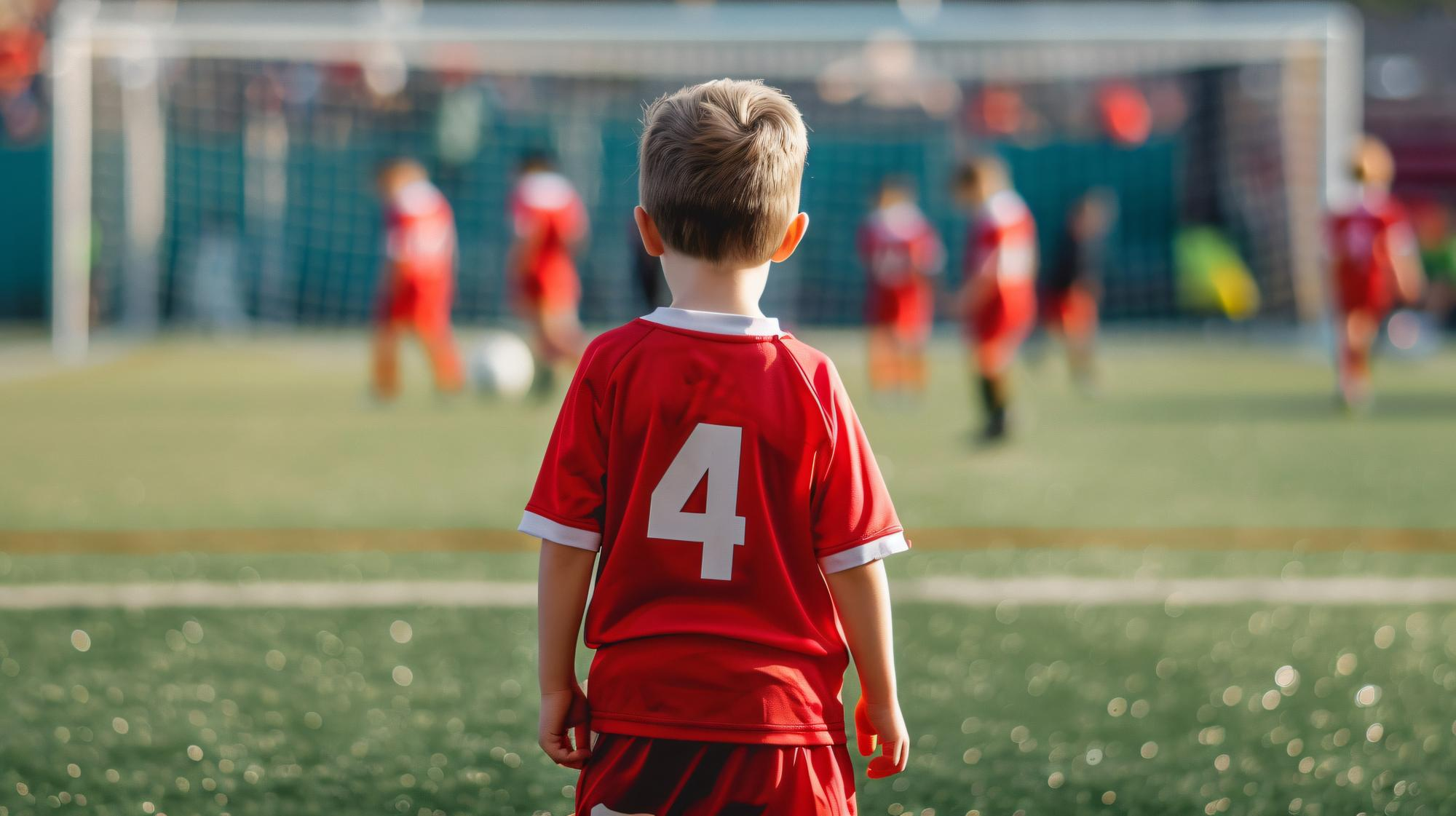
Active play is one of the most important parts of childhood. It is through movement, exploration, and interaction that children begin to understand their bodies and the world around them. Activities like football training and a tennis session provide structured yet enjoyable ways for children to stay active while developing essential life skills.
Rather than being passive, children are constantly engaged—running, thinking, reacting, and learning. This combination of physical and mental activity makes sports a powerful tool for overall development.
Building Strong Physical Foundations
One of the most immediate benefits of active play is physical development. During Childrens football training, children run, change direction, and control the ball with their feet. In a tennis session, they swing, balance, and react quickly to movement.
These actions help strengthen muscles, improve cardiovascular health, and develop coordination. More importantly, they build what is often called “physical literacy”—the ability to move confidently and efficiently.
Children who develop these skills early are more likely to stay active as they grow. They feel comfortable participating in different activities, whether it’s joining football clubs, attending a private tennis session, or simply playing outdoors with friends.
Enhancing Coordination and Motor Skills
Active play through sports is one of the most effective ways to develop coordination. Football training focuses on footwork, balance, and spatial awareness, while a tennis session emphasizes hand-eye coordination and timing.
These complementary skills help children become more adaptable in their movements. They learn how to control their bodies in different situations, which can improve performance in other activities as well.
As coordination improves, children often feel more confident in their abilities. This confidence encourages them to try new things, creating a positive cycle of growth and exploration.
Supporting Cognitive Development
Active play is not just physical—it also challenges the mind. During football training, children must make quick decisions, anticipate movements, and understand positioning. In a tennis session, they focus on timing, strategy, and reacting to the ball.
These mental processes help develop concentration, problem-solving skills, and decision-making abilities. Children learn to think quickly and adapt to changing situations.
This type of cognitive engagement is different from traditional learning environments. It is dynamic and interactive, making it easier for children to stay focused and involved.
Encouraging Social Skills and Teamwork
Sports provide a natural setting for social interaction. In a Childrens football club, children work together toward a common goal. They learn to communicate, share, and support one another.
Even in a tennis session, particularly in group or doubles play, children interact with others, building relationships and learning cooperation.
These experiences help children develop important social skills. They learn how to navigate group dynamics, resolve conflicts, and celebrate achievements together. These lessons are valuable not only in sports but in everyday life.
Developing Emotional Resilience
Active play also helps children understand and manage their emotions. Sports involve both success and failure—winning a game, missing a shot, learning a new skill.
Through football training and tennis sessions, children experience these moments in a supportive environment. They learn that mistakes are part of learning and that effort leads to improvement.
This helps build resilience. Children become more comfortable with challenges and more willing to keep trying, even when things are difficult. Over time, this resilience strengthens their confidence and emotional well-being.
Creating Healthy Habits Early
When children regularly participate in active play, it becomes part of their routine. Football clubs and tennis sessions introduce structure while keeping the experience enjoyable.
This combination helps children develop healthy habits early on. They begin to associate physical activity with fun rather than obligation.
These habits can last a lifetime. Children who enjoy being active are more likely to continue participating in sports and maintaining a healthy lifestyle as they grow older.
Boosting Confidence Through Achievement
Every small success in sports contributes to a child’s confidence. Completing a pass in football training, hitting the ball correctly in a tennis session, or simply understanding a new skill can make a big difference.
These moments of achievement show children what they are capable of. As they improve, their confidence grows, encouraging them to take on new challenges.
A private tennis session can further support this by providing individualized feedback and helping children progress at their own pace.
Balancing Structure and Freedom
One of the strengths of sports like football and tennis is the balance between structure and freedom. Coaches provide guidance and organize activities, but children still have the freedom to explore and express themselves.
This balance is important for development. Too much structure can feel restrictive, while too little can lead to confusion. Football training and tennis sessions offer a middle ground where children can learn while still enjoying themselves.
This approach keeps children engaged and motivated, making the experience both effective and enjoyable.
A Holistic Approach to Development
Active play through football clubs and tennis sessions supports multiple areas of development at once. Physical, cognitive, social, and emotional skills are all being developed simultaneously.
This holistic approach is what makes sports so valuable. Children are not just learning how to play—they are learning how to think, interact, and grow.
Each session becomes an opportunity to develop in different ways, creating a strong foundation for the future.
Making Movement Meaningful
Perhaps the most important aspect of active play is that it gives movement a purpose. Children are not just running or exercising—they are playing, learning, and connecting with others.
Football training and tennis sessions turn physical activity into something meaningful. They create experiences that children enjoy and look forward to, which is key to long-term engagement.
When movement becomes meaningful, it becomes a natural and enjoyable part of life.