
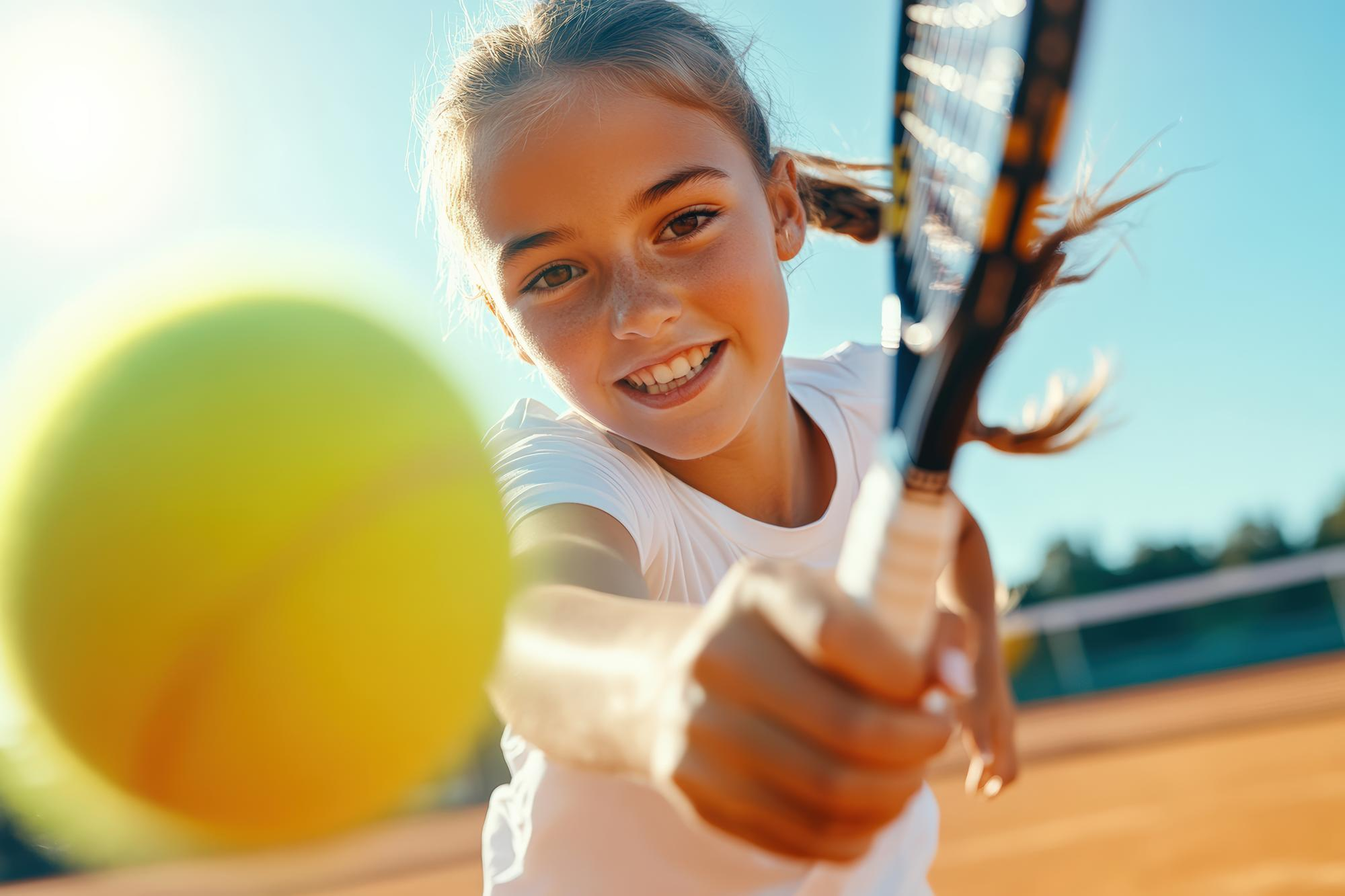
Choosing a sport for a child is rarely just about finding an activity that keeps them moving. It is also about discovering an environment where they feel comfortable, motivated, and excited to return each week. Some children love the fast energy of a group, the noise, the shared excitement, and the feeling of being part of a team. Others prefer a calmer space, more individual focus, and the satisfaction of improving through concentration and repetition. That is why the question is not always simply which sport is best, but which sport feels right for your child’s personality.
Both football and tennis offer outstanding benefits for children. They help develop coordination, confidence, discipline, and physical fitness. But the experience of each sport can feel very different, especially from a child’s point of view. A lively, social child may flourish in one setting, while a more reflective or independent child may feel more at home in another. Understanding these differences can help parents make a more thoughtful choice.
A great Childrens football club often gives children the chance to move freely, connect socially, and grow through teamwork. A good Tennis session, on the other hand, can provide a more focused environment where children develop patience, coordination, and self-reliance. Neither is automatically better. The best choice often depends on how your child naturally responds to structure, energy, challenge, and other people.
Why Personality Matters in Sport
Children do not all learn, socialise, or build confidence in the same way. Some are drawn to busy environments and are energised by shared activity. Others prefer more personal space and enjoy the challenge of improving at their own pace. Sport is one of the clearest places where these preferences become visible.
When a sport matches a child’s personality, they are more likely to enjoy the experience. They often feel more secure, more willing to participate, and more open to learning new skills. That positive emotional connection matters because children develop best when they feel comfortable enough to explore, make mistakes, and keep trying.
Enjoyment Often Leads to Progress
Children rarely improve because they are pressured. They improve because they are engaged. When they genuinely enjoy a sport, they are more likely to practise, listen, and return with enthusiasm. A child who loves the atmosphere of Football clubs may not even realise how much they are learning because they are so absorbed in the fun of the game.
The same can be true in tennis. A child who enjoys the rhythm and challenge of a Tennis session may happily repeat movements and drills because they find satisfaction in mastering them. Personality often shapes what kind of enjoyment feels most natural.
Confidence Grows Faster in the Right Environment
For some children, confidence grows through being part of a team. For others, it grows through personal achievement in a quieter setting. A child who feels overwhelmed in large groups may become more confident in tennis, where they can focus more directly on their own progress. Meanwhile, a child who thrives on connection and shared excitement may gain confidence much more quickly in Childrens football training.
This is why personality should be seen as part of the decision. The sport that brings out the best in one child may not have the same effect on another.
Football Often Suits Children Who Love Energy and Interaction
Football is naturally lively. It involves constant movement, group activity, and a strong sense of shared experience. Children who enjoy being around others often find football immediately appealing because it is full of interaction from the very beginning.
In a Childrens football club, children are surrounded by teammates, coaches, and games that require quick responses and cooperation. The atmosphere tends to be active and social, which can be especially rewarding for children who enjoy making friends and feeling part of a group.
Social Children Often Thrive in Football
If your child is the type who makes friends quickly, enjoys group games, and likes to be involved in everything, football may feel like a natural fit. Football training creates plenty of opportunities for communication, shared laughter, and teamwork. Children pass, run, celebrate, and solve little problems together all the time.
For children who are energised by social interaction, this can be incredibly motivating. They often look forward not only to the sport itself, but also to seeing familiar teammates and being part of the group dynamic.
Children With Lots of Physical Energy May Love the Pace
Some children seem built for movement. They run everywhere, struggle to sit still for long, and enjoy activities that let them use their whole body. Football can be a brilliant outlet for that kind of personality. It allows children to sprint, turn, change direction, and stay constantly engaged.
In Childrens football training, there is rarely much standing still. This makes it appealing for children who like action and variety. The game changes quickly, and that fast pace can keep energetic children focused far better than more static activities.
Team-Oriented Children Enjoy Shared Goals
Some children are naturally drawn to cooperation. They enjoy helping, supporting, and feeling that they are part of something bigger than themselves. Football encourages these qualities in a very practical way. Players quickly learn that success comes through working together, passing, defending, and communicating.
A strong Childrens football club can be especially valuable for children who enjoy shared achievement. The team element gives them a clear sense of belonging, and that feeling often becomes one of the most rewarding parts of the experience.
Tennis Often Appeals to Children Who Enjoy Focus and Independence
Tennis creates a different kind of sporting experience. While it can certainly be social, especially in group lessons, it often gives children more direct responsibility for their own actions and progress. That can suit children who enjoy concentration, personal challenge, and a slightly calmer setting.
A Tennis session often includes repeated skill-building, attention to technique, and moments where the child focuses closely on timing, movement, and control. For some personalities, this feels satisfying rather than demanding.
Independent Children May Enjoy Tennis More Naturally
If your child likes figuring things out on their own, enjoys personal goals, or takes pride in individual improvement, tennis may be an excellent fit. The sport gives children many chances to see their own progress clearly. Hitting the ball more accurately, improving footwork, or learning better control can feel very rewarding.
Unlike some team settings where attention is shared across many players, tennis often gives children a strong sense of ownership over their learning. This can really suit children who are motivated by personal development.
Calm and Observant Children Often Do Well in Tennis
Not every child is drawn to noise and fast group interaction. Some are more observant, thoughtful, and measured in the way they approach new activities. These children may feel more comfortable in the structured rhythm of a Tennis session.
Tennis still involves movement and excitement, but it often leaves a little more space for focus. Children watch closely, listen carefully, and repeat specific movements. For a child who likes to take things in before jumping forward, that can feel reassuring.
Children Who Like Precision May Love the Challenge
Some children are fascinated by the idea of getting things just right. They enjoy aiming, refining, and noticing small improvements. Tennis can be very rewarding for this kind of personality because it combines movement with precision. The child is not only chasing a ball but learning how to control direction, timing, and contact.
That sense of detail can be deeply satisfying. A child who loves skill-based challenge may find a Tennis session especially engaging because progress is often visible in small but meaningful ways.
What About Shy Children?
Parents often wonder whether football or tennis is better for a shy child. The answer depends on the kind of shyness involved. Some shy children want social connection but need time to warm up. Others feel drained by busy group environments and prefer smaller, more predictable settings.
Football Can Help Shy Children Build Social Confidence
A friendly Childrens football club can be wonderful for shy children who want to connect with others through play. Because football is so active, conversation is not always the main focus. Children can bond through passing, running, and shared games without feeling pressure to talk constantly.
This can help a shy child relax. They are joining in, participating, and gradually becoming part of the group, often without the intensity of direct social attention.
Tennis Can Feel Safer for Children Who Need More Personal Space
For children who find large groups overwhelming, tennis may feel more manageable. A structured Tennis session often gives them more room to focus on the task itself rather than on the social environment. They can build confidence through movement and success without needing to immediately adapt to a busy team setting.
In some cases, a Private tennis session can be especially helpful. One-to-one coaching may allow a shy child to settle into the sport gently before joining a group later on. This more personalised introduction can make a huge difference to confidence.
Which Sport Helps Different Personality Types Grow?
One of the most interesting parts of choosing a sport is that children do not only enjoy activities that match who they already are. They can also benefit from experiences that gently stretch them. A highly social child can learn patience and concentration in tennis. A quiet child can develop confidence and connection in football.
So the goal is not to label children too narrowly. Instead, it is useful to think about what environment will both support them and help them grow.
Football Can Develop Cooperation and Communication
For children who need help learning teamwork, patience with others, and shared responsibility, Football clubs can be extremely valuable. The sport naturally teaches children to listen, take turns, and understand that their actions affect the group.
A child who tends to focus only on themselves may begin to appreciate cooperation through regular Football training. They learn that passing and supporting others matters just as much as personal success.
Tennis Can Strengthen Focus and Self-Discipline
Tennis can be particularly helpful for children who need to develop concentration, persistence, and emotional control. Because the child is often so directly involved in each action, they learn to manage frustration, repeat skills, and stay mentally engaged.
A Private tennis session can support this even more closely when a child benefits from individual guidance. The coach can adapt the lesson to the child’s pace and learning style, helping them build confidence step by step.
Practical Clues Parents Can Look For
Sometimes a child’s personality gives clear clues about which sport may feel most comfortable in the beginning. Watching how they play, interact, and respond to challenges in everyday life can be surprisingly helpful.
Signs Football May Suit Your Child
A child may be well suited to football if they enjoy:
Group games and shared excitement
They light up when playing with others and seem happiest when surrounded by activity.
Fast movement and variety
They like running, reacting quickly, and moving from one thing to the next.
Team identity
They enjoy belonging to a group, cheering others on, and feeling included in a collective effort.
These children often respond very well to a lively Childrens football club where energy, friendship, and teamwork are part of every session.
Signs Tennis May Suit Your Child
A child may feel more at home in tennis if they enjoy:
Independent challenge
They like improving their own skills and taking pride in personal progress.
Focused repetition
They are comfortable practising the same movement more than once and enjoy seeing improvement through effort.
Calm structure
They prefer a more measured environment where instructions are clear and attention is more direct.
These children may thrive in a Tennis session that gives them room to concentrate and grow at their own pace.
There Does Not Have to Be Only One Right Choice
It is also worth remembering that children are not fixed in one mode forever. Personality develops over time, and sport can be part of that development. A child who starts in football may later become interested in tennis. A child who begins with tennis may eventually be drawn to the energy of team sport.
In fact, many children benefit from experiencing both. Football and tennis complement each other beautifully in some ways. Childrens football training supports agility, teamwork, and social confidence, while tennis helps with balance, coordination, concentration, and self-reliance. Together, they can create a broad and healthy sporting foundation.
Trying Both Can Reveal Surprising Preferences
Sometimes parents assume they know which sport a child will prefer, only to be surprised. A child who seems quiet may love the shared energy of football. A child who is constantly active may discover a real fascination with the precision of tennis.
That is why early experiences matter so much. The first few sessions often reveal more than assumptions ever could. Watching where a child smiles most, where they seem most relaxed, and where they want to return can tell you a great deal.
The Best Sport Is Often the One That Feels Right Emotionally
In the end, the most suitable sport is often the one that makes a child feel capable, included, and eager to come back. For some, that will be the lively atmosphere of Football clubs, with all the friendship, teamwork, and movement that come with them. For others, it will be the focused challenge of a Tennis session, where concentration and personal progress feel deeply rewarding.
Some children will flourish in a team-first environment. Others will shine when given a little more individual space. Some will love both for different reasons. What matters most is not choosing the “best” sport in a general sense, but choosing the one that helps your child feel happy, engaged, and confident in their own way.
Sport Can Reveal Strengths You Have Not Yet Seen
One of the most exciting things about children and sport is that it often brings hidden qualities to the surface. Football may reveal leadership, friendliness, and adventurous energy. Tennis may uncover patience, determination, and quiet resilience. When children are given the right environment, they often show sides of themselves that are not always visible elsewhere.
That is why the choice between football and tennis can be such a meaningful one. It is not simply about activities on a schedule. It is about finding a space where your child’s personality is supported, challenged, and allowed to grow through movement, play, and experience.