
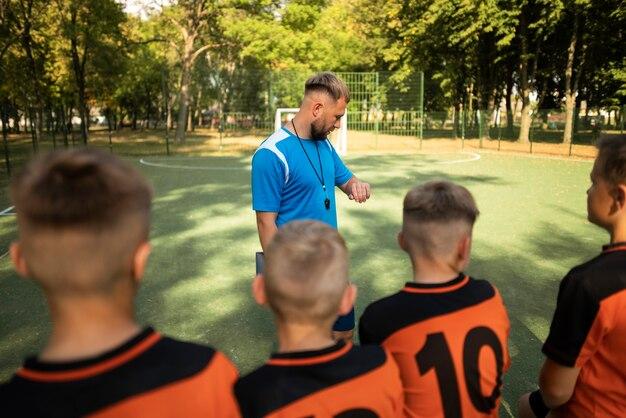
Resilience is the ability to bounce back from challenges, adapt to change, and keep moving forward despite setbacks. For children, learning resilience is a critical part of emotional and social development. Sports, whether on the football field or tennis court, provide an ideal environment for kids to cultivate this valuable skill.
Through wins and losses, teamwork, and personal effort, children in football clubs and tennis sessions face real-life challenges that help them develop the perseverance and mental toughness they’ll carry throughout their lives.
The Connection Between Sports and Resilience
Sports naturally expose children to situations that require grit and determination. A missed shot, a tough opponent, or an unexpected loss offers opportunities for kids to experience disappointment, learn from it, and try again. This process builds resilience by teaching children how to:
- Handle setbacks with a positive attitude.
- Focus on improvement rather than failure.
- Recognize the value of persistence.
Lessons from Football: The Power of Team Support
Children’s football training is particularly effective in fostering resilience through teamwork. Kids quickly learn that a single player cannot win a game alone. Support from teammates, encouragement after mistakes, and celebrating collective efforts teach children the importance of community in overcoming challenges.
For example:
- After losing possession of the ball, players rely on their teammates to cover for them and help recover control.
- A missed goal becomes a chance to refocus and try again with the backing of the team.
This shared experience not only strengthens resilience but also builds trust and a sense of belonging.
Tennis and Personal Accountability
In contrast to football, tennis often emphasizes individual performance. A private tennis session teaches children to take ownership of their actions, whether it’s a successful serve or a missed volley.
This focus on self-reliance helps kids develop the mental fortitude to face challenges on their own. Key lessons include:
- Staying focused under pressure: Tennis matches require players to stay calm and strategize even when they’re behind.
- Learning from mistakes: A poor shot isn’t the end; it’s an opportunity to adjust technique and try again.
The balance of accountability and self-improvement in tennis helps children build resilience in a highly personal way.
Overcoming Failure: A Key Component of Growth
Failure is inevitable in sports, but it’s also a powerful teacher. When children face defeat in a game or fail to master a skill during training, they learn how to:
- Process disappointment constructively.
- Reflect on what went wrong and make adjustments.
- Set new goals and work toward them with determination.
For instance, a child who struggles with dribbling during football training might practice harder and eventually master the skill, experiencing the satisfaction of overcoming a challenge.
Resilience Through Consistent Effort
Sports emphasize that success comes from effort and consistency. Coaches in football clubs and tennis programs often stress the importance of showing up for practice, giving 100%, and staying committed even when progress feels slow.
This teaches children that resilience isn’t just about recovering from setbacks—it’s also about the persistence to keep going, day after day, until goals are achieved.
Building Emotional Regulation
Resilience isn’t just about external actions; it’s also about managing emotions. Sports provide opportunities for children to practice emotional regulation in real-time:
- Handling Frustration: When things don’t go as planned, children learn to manage their frustration and channel it into positive actions.
- Celebrating Progress: Resilience grows when kids learn to appreciate small victories, like improving a skill or contributing to a team effort.
- Controlling Competitive Pressure: Whether in a football match or tennis tournament, kids face pressure to perform. Over time, they learn to stay calm and focused under stress.
The Role of Coaches in Developing Resilience
Coaches play a crucial role in teaching resilience. Through encouragement and constructive feedback, they help children see challenges as opportunities to grow rather than obstacles to fear.
- Promoting a Growth Mindset
Coaches in children’s sports programs emphasize that skills can improve with effort. This instills a growth mindset, where kids see failures as part of the learning process. - Modeling Positive Behavior
By staying calm and supportive during tough moments, coaches demonstrate how to handle setbacks gracefully. - Creating Opportunities for Leadership
Assigning roles like team captain in football training or giving a child responsibility for keeping score during a tennis session teaches accountability and confidence.
Team Sports vs. Individual Sports in Building Resilience
Both team and individual sports contribute to resilience, but in slightly different ways:
- Team Sports (e.g., Football)
Team settings foster resilience through collaboration and shared effort. Children learn to rely on and support each other, creating a sense of camaraderie that helps them bounce back from losses together. - Individual Sports (e.g., Tennis)
Individual sports emphasize self-reliance and perseverance. Children learn to trust their abilities, take responsibility for outcomes, and develop independence.
Translating Resilience to Everyday Life
The resilience children build through sports extends far beyond the field or court. Lessons learned in sports training apply to challenges like:
- Academic Pressure: Managing stress during exams or school projects.
- Social Conflicts: Resolving disagreements with friends or peers.
- Personal Goals: Staying motivated to achieve milestones, from learning a musical instrument to mastering a new hobby.
The Role of Parents in Supporting Resilience
Parents play an important part in reinforcing resilience learned through sports. Here’s how they can help:
- Encourage Effort Over Results
Celebrate the hard work and dedication your child puts into training, regardless of the outcome. - Model Resilience
Show your child how you handle setbacks in your own life, reinforcing that challenges are a normal part of growth. - Provide Emotional Support
Be there to listen and encourage your child after tough games or practices, helping them see the positives in difficult moments.
The Lifelong Benefits of Resilience Built Through Sports
The resilience children gain through football, tennis, and other sports creates a strong foundation for future success. Whether it’s navigating a tough job interview, maintaining focus during college exams, or managing life’s inevitable challenges, the mental toughness developed in sports helps them thrive.
By facing and overcoming challenges in a supportive environment, kids learn that resilience isn’t about avoiding failure—it’s about facing it head-on and emerging stronger.
Read More About: Fun Drills and Games for Children’s Football Clubs to Enhance Engagement