
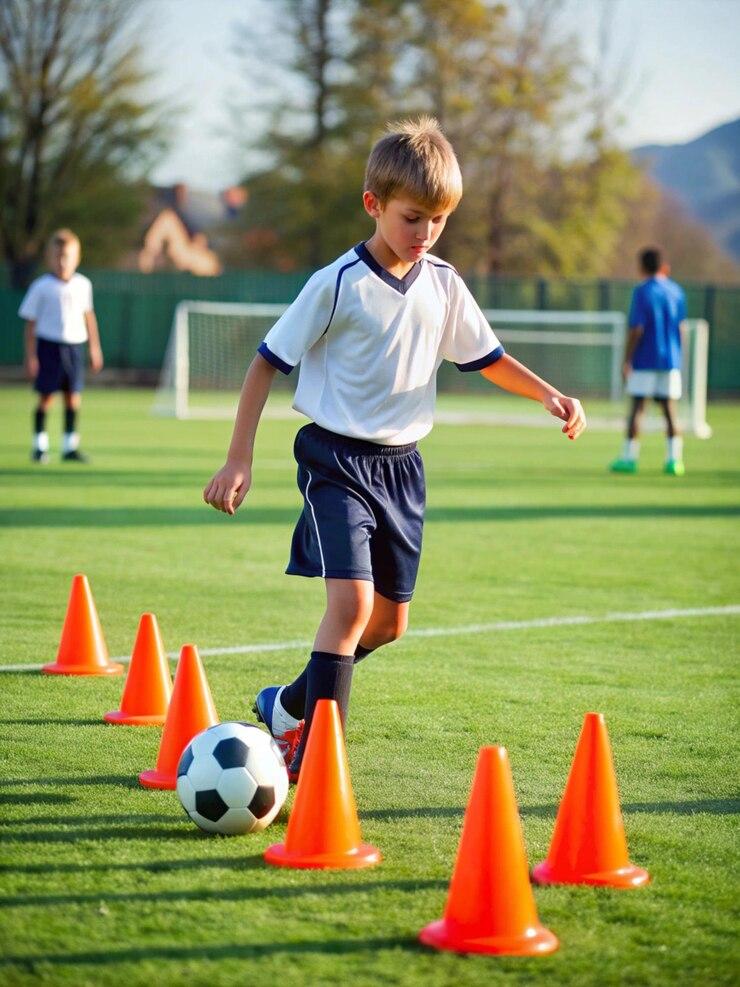
When we think of football training for kids, it’s easy to focus on the physical aspects – learning to pass, shoot, dribble, and score. But there’s a deeper layer to football that goes far beyond the field. Within the laughter, the drills, and the thrill of a match, children are also learning life skills that will shape who they are in the future. One of the most remarkable of these is leadership – and it happens in subtle, powerful ways during every football session.
Let’s explore how football training fosters leadership skills in young athletes and why this matters so much for their growth, both on and off the field.
Leading by Example: The Heart of Leadership
In childrens football clubs, children naturally look up to each other. During football training, there are moments when one player shows great determination, encourages a teammate, or makes a fair play decision that benefits the whole team. These actions demonstrate leadership in its purest form: leading by example.
A child who gives 100% effort, even when things get tough, teaches their peers about perseverance. A player who congratulates a teammate for a good move or helps up an opponent after a fall shows respect and sportsmanship. These small actions, repeated over time, build a sense of responsibility and influence that inspires others.
Communication: The First Step in Leading
Leadership isn’t just about actions – it’s also about communication. During football training, children learn to express themselves clearly: calling for the ball, giving directions, or motivating teammates after a missed shot.
For example, when a young player shouts, “I’m open!” or “Great job!” they’re practicing essential communication skills that help a team function smoothly. Over time, they develop confidence in their voice, learn how to motivate others, and understand the importance of clear, respectful communication.
Decision-Making on the Field
Football is fast-paced, and children must make split-second decisions. Should they pass or shoot? Hold the ball or move forward? Help a teammate or mark an opponent? Each decision shapes the flow of the game – and each moment is a leadership lesson in action.
Football training helps kids learn how to assess situations, weigh their options, and make choices that benefit the team. These are critical thinking skills that transfer far beyond the pitch, helping children become thoughtful and decisive leaders in all areas of life.
Taking Responsibility: The Power of Accountability
In a Childrens football club, children learn that their actions matter. If they forget to mark an opponent, it might lead to a goal. If they encourage a teammate, it might lift the whole team’s spirit. Coaches emphasize that every player has a role and a responsibility, which builds accountability – a key trait in strong leaders.
By experiencing both the highs and lows of the game, kids understand that leadership isn’t about being perfect. It’s about owning their choices, learning from mistakes, and trying again with a better approach.
Encouraging Others: Leadership as Support
One of the most beautiful aspects of football is how it teaches kids to lift each other up. During football training, children cheer for each other, clap for a good effort, and offer encouragement after a missed goal. This culture of positivity helps young players understand that leadership also means helping others feel confident and capable.
These moments – a high-five after a good play, a quick “You’ll get it next time!” – are the foundation of empathy and emotional intelligence, both crucial elements of effective leadership.
Coaches as Role Models for Young Leaders
In every football club, the coach plays a key role in shaping leadership skills. Coaches model respect, patience, and resilience, and their behavior sets the tone for the entire group.
Children learn leadership by observing how their coach responds to a tough game, how they handle conflicts, and how they support each player. A good coach shows that leadership is about kindness as much as it is about strategy – and that a true leader never stops learning.
From the Football Pitch to the World
The leadership skills children develop in football are not limited to the game. They transfer into the classroom, the playground, family dynamics, and eventually, the workplace. A child who learns to lead on the field becomes someone who can speak up in a group project, resolve a disagreement with a friend, or guide others through a challenge.
Football teaches that being a leader doesn’t always mean being the loudest or the fastest – it means being someone who brings out the best in others, stays calm under pressure, and makes thoughtful decisions.
Small Steps, Big Impact
In every football training, kids are taking small but powerful steps toward becoming future leaders. Whether it’s learning to pass the ball at the right moment, motivating a teammate, or accepting a coach’s feedback with grace, they’re practicing the art of leadership in ways that feel natural and fun.
By nurturing these skills early on, childrens football clubs are not just developing athletes – they’re helping shape a generation of thoughtful, empathetic, and confident leaders ready to take on whatever challenges life throws their way.
Read More: How Sports Build Confidence in Shy Children