
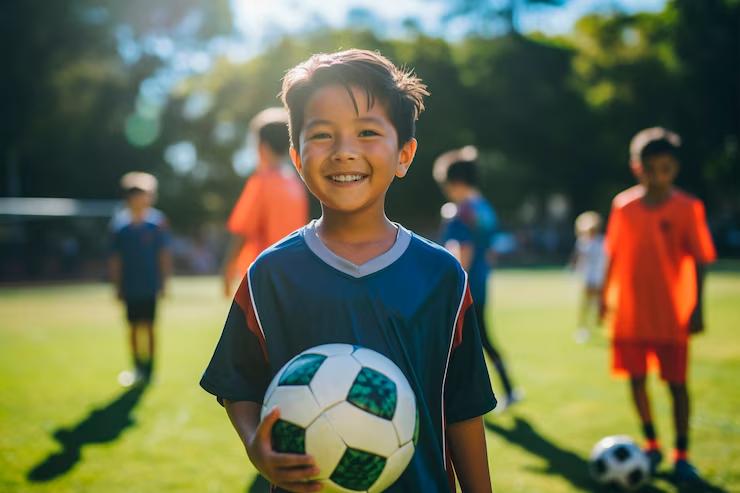
When children step onto the pitch for childrens football training or pick up a racket for a tennis session, their experience is shaped by more than just the rules of the game. At the heart of youth sports lies an important balance—encouraging healthy competition while ensuring that fun, learning, and enjoyment remain central. This balance is crucial for keeping kids motivated, helping them develop social skills, and nurturing a lifelong love for being active.
The Joy of Play: Why Fun Matters First
For young children, sports should be fun above all else. Whether it’s a childrens football club filled with laughter during warm-up games or a relaxed, friendly tennis session, enjoyment is the key driver that keeps kids engaged.
When children associate sports with fun, they are far more likely to stick with it long term. This is especially important in their early years, where the goal isn’t necessarily about winning but about developing motor skills, making friends, and learning the basics of the game. Coaches in quality football clubs and tennis programs focus on creating a playful environment where smiles matter as much as skills.
The Role of Healthy Competition
While fun is essential, competition also plays an important role in development. Children naturally enjoy testing their abilities—whether it’s scoring a goal, winning a point in tennis, or improving on a previous performance.
In childrens football training, friendly matches and team-based challenges teach kids how to handle both success and failure. They learn that sometimes you win, and sometimes you lose—and both outcomes are part of growth. The same holds true in a tennis session, where children compete against a peer to apply what they’ve practiced.
The goal is not to focus solely on being “the best,” but rather to encourage personal improvement, teamwork, and effort.
Avoiding the Pitfalls of Over-Competition
A common challenge in youth sports is when the emphasis shifts too heavily towards competition. When winning becomes everything, it can lead to stress, anxiety, and burnout—even for very young players.
This is why responsible football clubs and tennis coaches design sessions that celebrate effort over outcome. A child who hustles to chase the ball, supports a teammate, or finally masters a tricky skill is praised as much (or more) than one who scores the winning goal.
In private tennis sessions, coaches often shift focus to personal bests—serving consistently, improving rally lengths, or mastering a new shot—rather than purely winning points.
Building Resilience Through Challenge
Introducing elements of competition, when done thoughtfully, helps children build resilience. Learning how to cope with disappointment after a missed goal in football training or an error during a tennis session is a valuable life lesson.
These small setbacks, handled in a supportive environment, teach kids that failure isn’t something to fear. Instead, it’s an opportunity to reflect, improve, and come back stronger. Coaches often frame losses as part of the journey, not the end result.
Teamwork vs. Individual Performance
Football and tennis offer two different but complementary experiences in balancing competition and fun. In a childrens football club, the focus is often on teamwork—working together, sharing the ball, and celebrating collective success. This teaches children cooperation, empathy, and the joy of contributing to a group effort.
Tennis, especially during a private tennis session, is more individualistic. Here, children learn self-reliance, focus, and personal discipline. But even in tennis, group drills, doubles matches, and fun games keep the social and playful aspects alive.
Balancing these two sports provides children with a broader range of social and personal growth experiences.
Gamifying Learning: The Secret to Balanced Sessions
Modern coaching methods often use “gamification” to maintain the balance between competition and fun. In childrens football training, drills are turned into exciting mini-games with challenges like “who can pass through the most cones” or “team relay races.”
Similarly, a tennis session might include games like “King of the Court” or target practice with points awarded for hitting certain spots. These activities maintain a sense of friendly competition without the pressure of formal matches.
Gamification keeps kids focused on the task at hand while ensuring laughter, movement, and excitement remain at the core.
Celebrating Effort, Not Just Results
A key strategy used in both football clubs and tennis coaching is shifting recognition from outcomes to effort. Instead of praising only the goal scorer or the match winner, coaches highlight kids who show determination, kindness, or improvement.
For example, in a childrens football club, a coach might award a child for being a “great teammate” who passed the ball unselfishly. In a private tennis session, a child might be recognized for staying positive despite struggling with a difficult drill.
This approach builds self-esteem in all children, not just those who happen to win.
Teaching Sportsmanship from Day One
Part of balancing competition with fun is instilling good sportsmanship. Children learn how to celebrate victories gracefully and handle losses without frustration. This is embedded into the culture of quality football training and tennis sessions, where coaches model behaviors like shaking hands, complimenting opponents, and cheering for everyone’s effort.
Sportsmanship lessons extend beyond the court or field, helping kids navigate school, friendships, and other group settings with kindness and respect.
Adapting to Each Child’s Needs
Not every child thrives in the same environment. Some flourish in group-based childrens football training, while others feel more comfortable in a private tennis session, where the pace and focus are tailored to their personality and learning style.
The best programs recognize this and offer a mix of competitive and non-competitive activities, ensuring that each child finds their balance. Some kids love the thrill of a match, while others prefer skill-based games that focus less on winning and more on personal growth.
Fostering a Lifelong Love of Sports
Ultimately, the greatest success of any childrens football club or tennis program isn’t measured by trophies or match records. It’s measured by how many kids walk away with a smile, a sense of accomplishment, and a desire to keep playing.
When competition and fun are balanced well, children don’t just become better players—they become more resilient, socially adept, and confident individuals. Whether it’s through the laughter of a relay game in football training or the satisfaction of a well-executed serve in a private tennis session, the memories they build are the foundation for a healthy, active lifestyle that lasts for years to come.
Read More In: The Impact of Football Training on Focus and Discipline for Young Players