
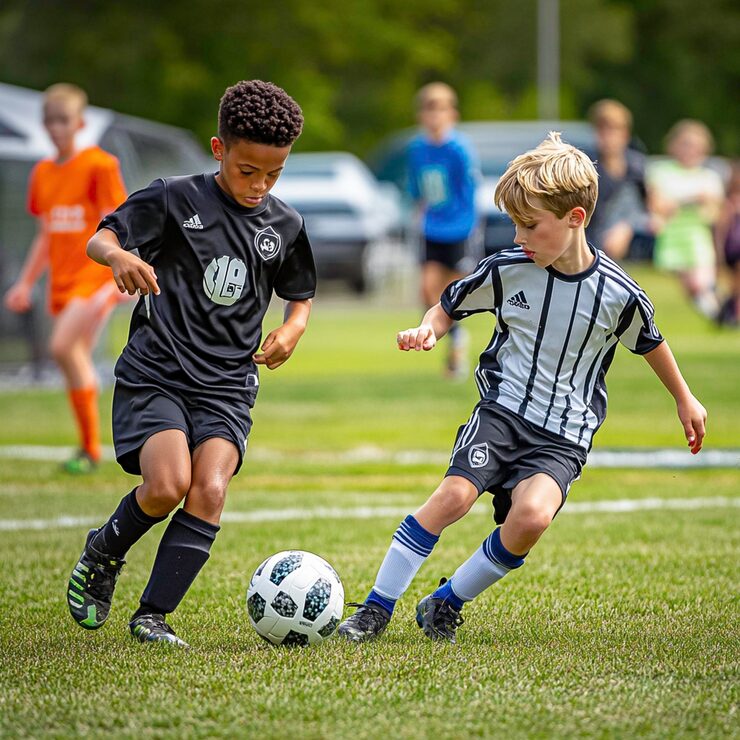
In children’s sports, the coach is often the most influential figure on the field—second only to the child’s parents. Whether it’s during a children’s football training session or a beginner tennis session, the presence of a qualified coach can make all the difference in how a child experiences and grows through sport. More than just instructors, coaches serve as role models, motivators, mentors, and sometimes, the spark that ignites a lifelong passion for physical activity.
As parents consider enrolling their children in a children’s football club, private tennis session, or any structured sports activity, understanding the impact of quality coaching becomes essential. Let’s explore the many roles that qualified coaches play and why their presence is vital to a child’s development.
Creating a Safe and Supportive Environment
One of the most important responsibilities of a coach is ensuring that children feel safe and supported—both physically and emotionally. This begins with practical knowledge: understanding how to warm up properly, prevent injuries, and adjust activities based on a child’s age and ability.
Qualified coaches are trained to:
- Recognise signs of fatigue or discomfort
- Modify drills for safety and inclusivity
- Manage group dynamics with positive reinforcement
- Respond appropriately to emotional distress or conflict
By creating a secure space, coaches help children feel confident enough to try new skills, make mistakes, and express themselves—all essential components of learning.
Parents can trust that in a children’s football club or tennis session led by qualified staff, their child is in an environment where their well-being is the top priority.
Understanding Child Development
A key trait of a qualified coach is their understanding of age-appropriate development. Children grow physically, cognitively, and emotionally at different rates, and effective coaching must reflect that.
For example, football training for a four-year-old will focus on basic movement patterns, simple instructions, and fun engagement. In contrast, a session for a ten-year-old might include positional play, strategy, and more competitive elements.
Qualified coaches know how to:
- Adapt sessions to suit various age groups
- Use language children understand
- Balance challenge with achievable goals
- Recognise when a child needs encouragement or rest
Without this developmental insight, sports sessions can become overwhelming or under-stimulating. The best children’s football training programs are carefully crafted by coaches who understand what children need at each stage—not just physically, but emotionally and socially.
Teaching More Than Skills
While parents may sign their children up to learn how to dribble, serve, or pass, the lessons taught by a good coach go far beyond technique. Qualified coaches use sport as a platform to teach life skills, including:
- Respect for rules and others
- Resilience in the face of failure
- Teamwork and collaboration
- Patience, discipline, and focus
These values are woven into every practice and match. A coach might use a missed goal as a chance to teach perseverance, or a group drill to highlight the importance of cooperation. These lessons stay with children long after the session ends.
In both football clubs and private tennis sessions, these values are reinforced through repetition, consistency, and role modelling.
The Power of Positive Role Modelling
Children look up to their coaches. The way a coach speaks, acts, and responds to challenges becomes a template for how young athletes behave themselves. That’s why qualified coaches take their role seriously—not just as teachers, but as role models.
A good coach models:
- Fairness and sportsmanship
- Empathy and encouragement
- Calmness under pressure
- Constructive communication
When a coach treats all players equally, listens actively, and celebrates effort over outcome, children absorb those attitudes. Over time, they learn to treat others with the same respect, building a foundation for strong social skills and emotional intelligence.
This is especially valuable in early years football or in tennis sessions where children may still be developing their confidence and sense of identity.
Supporting Different Learning Styles
Not all children learn the same way. Some are visual learners who benefit from demonstration. Others need to try something physically to grasp it. Some children thrive in groups, while others prefer one-on-one attention. Qualified coaches are trained to recognise and respond to these differences, ensuring each child has the opportunity to succeed.
In larger settings like a children’s football club, a qualified coach will balance group instruction with individual feedback. In a private tennis session, they can tailor the entire session to a child’s pace and preferences, offering a truly personalised experience.
By meeting children where they are, coaches ensure that learning feels empowering rather than intimidating.
Encouraging Long-Term Participation
A qualified coach doesn’t just aim for short-term improvement—they aim to cultivate a love for sport that lasts. This means designing sessions that are engaging, rewarding, and enjoyable. When children associate sport with fun, friendship, and success (on their own terms), they are more likely to stay active as they grow older.
This long-term view is especially important in preventing burnout. Coaches who understand how to vary sessions, manage expectations, and celebrate all forms of progress help children stay motivated and curious.
Whether it’s through a friendly match in a football club or a satisfying rally in a tennis session, the goal is to create a positive emotional connection to sport.
Recognising Potential and Nurturing Talent
Not every child who joins a sports program dreams of being a professional athlete—but some do. Qualified coaches play a key role in identifying natural ability and supporting children who want to take their training to the next level.
They do this by:
- Offering advanced drills and tailored challenges
- Connecting families with appropriate development pathways
- Encouraging healthy ambition without pressure
In a private tennis session, for example, a coach may introduce matchplay tactics or prepare a child for competitive tournaments. In football, they may recommend additional training or club-level opportunities.
But even when working with highly talented children, a great coach remains focused on balanced development—ensuring that passion doesn’t come at the expense of joy.
Working with Parents and Families
The best outcomes in children’s sports happen when coaches and parents work together. Qualified coaches know how to build relationships with families, offering updates on progress, listening to concerns, and providing guidance on how to support a child’s development at home.
They offer honest, constructive feedback and celebrate milestones, big or small. This transparency builds trust and helps parents feel confident that their child is not just learning a sport—but growing in meaningful ways.
In some cases, coaches might even recommend trying a different format, such as moving from group football training to a private session for a child who needs more attention or a different learning pace.
Supporting Inclusion and Diversity
A vital part of being a qualified coach today is understanding and supporting inclusion. This means creating a space where all children—regardless of gender, ability, background, or personality—feel welcome and valued.
This is especially important in early childhood, when self-esteem and identity are still forming. Coaches who are trained in inclusive practices know how to:
- Avoid favouritism or stereotyping
- Adapt sessions for children with different abilities
- Encourage quieter or less confident children to participate
- Celebrate diverse strengths and perspectives
An inclusive children’s football club or tennis session becomes a place where every child has a role, and every child feels proud of what they can contribute.
Behind every successful sports experience in childhood is a coach who believed in the child, supported their learning, and nurtured their confidence. From the structured drills of football training to the focused one-on-one of a private tennis session, qualified coaches bring knowledge, patience, and heart to every session.
In the hands of a good coach, sports become more than just games—they become a foundation for life.