
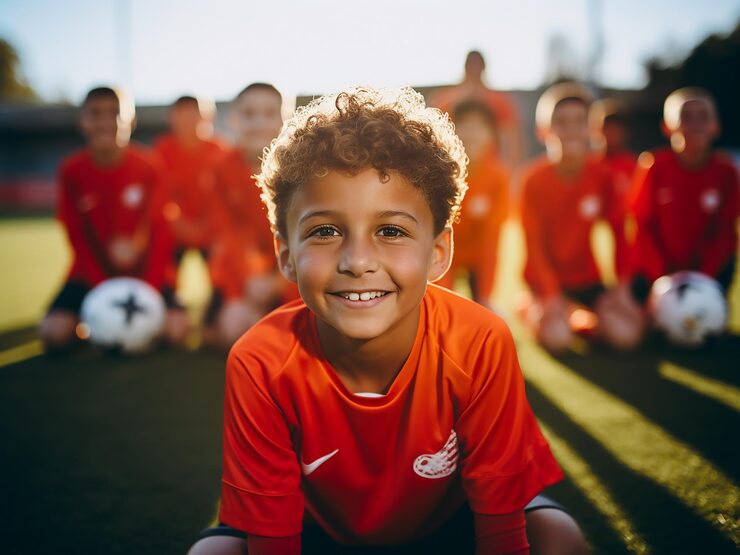
Routine might not be the most exciting word in a child’s world, but it plays a vital role in their development. Amid school, family time, and free play, a structured weekly activity—like football training—can offer far more than a run around the field. For many kids, especially those between the ages of 4 and 12, weekly childrens football training becomes a powerful anchor in their week. It helps them form habits that promote physical health, emotional resilience, and social responsibility.
At first glance, football training might seem like just another extracurricular activity, but the regular rhythm of attending a childrens football club every week introduces key routines that stick with kids well beyond their time on the pitch.
Structure: A Foundation for Confidence
Children thrive on predictable routines. When kids know what to expect, they feel more secure and confident. Weekly football training offers exactly that—a structured session where familiar faces, activities, and expectations create a sense of stability.
From the moment they arrive at their childrens football club, kids know the drill: warm-ups, ball work, games, cool-downs. This consistency helps build trust in their environment, their coaches, and themselves. Over time, children start to anticipate challenges and feel pride when they master them.
Knowing that every Tuesday or Saturday brings football builds internal structure too. It teaches kids to prepare mentally and physically for a task, which is a key skill they’ll use in school, hobbies, and eventually in the workplace.
Physical Health: A Habit That Sticks
It’s no surprise that football training helps children stay active—but the secret benefit lies in how that activity becomes routine. When children get used to moving their bodies once or twice a week as part of a scheduled football session, they begin to associate movement with fun, not with obligation.
Unlike irregular bursts of exercise, weekly football training creates a rhythm. The body learns what it feels like to move regularly, stretch, run, breathe deeply, and sweat. These physical sensations become familiar and enjoyable rather than uncomfortable or overwhelming.
As children grow, they’re more likely to continue being active because physical exercise has been a normal and positive part of their weekly lives. This early pattern can have long-lasting effects on heart health, muscle development, coordination, and even sleep quality.
Time Management: Learning to Balance Commitments
One of the underrated skills kids develop through regular football training is time management. Even young children begin to understand the importance of being ready on time, wearing the right gear, and managing their energy throughout the day so they’re prepared for their session.
Parents often notice improvements in their child’s ability to organise themselves. They might remember their football boots, help pack their water bottle, or even remind family members about upcoming training days. These small responsibilities are signs that they’re developing planning skills.
As children move into school years with homework and more activities, this early experience with a regular football routine gives them a head start on how to manage different parts of life without becoming overwhelmed.
Responsibility and Commitment
Commitment is a big word, but kids learn its meaning fast through team sports. In a football club, teammates rely on each other—not just to pass the ball, but to show up. When a child attends weekly training, they begin to understand that their presence matters.
Children learn to take responsibility for attending football sessions, listening to their coaches, and participating fully. They also learn to handle the consequences of not being prepared or missing a session—such as not understanding a new drill or feeling left out of team decisions.
These experiences shape a strong sense of responsibility. Over time, kids take pride in sticking to their football training routine, and that pride often spills over into schoolwork, chores, and other commitments.
Building Emotional Resilience
Weekly football training also supports emotional development. By returning to the same environment regularly, children gain a safe space to test themselves emotionally. They face challenges like losing a game, missing a goal, or receiving feedback—and because they come back the next week, they learn how to cope with those feelings in a healthy way.
They begin to realise that mistakes aren’t the end of the world, and that improvement takes time. This lesson in resilience is one of the most valuable outcomes of regular sports participation.
Football clubs that emphasise positive coaching and emotional support provide even more opportunities for children to talk about their experiences and process emotions, which helps them develop emotional vocabulary and self-awareness.
Social Growth Through Familiar Faces
Social skills don’t develop overnight—they grow over time, through repeated interaction. Weekly football training gives kids a regular social setting where they see the same teammates and coaches week after week.
This consistent interaction allows shy or anxious children to gradually warm up to others. It gives outgoing kids a healthy outlet for their energy and leadership. And it provides all children with a space to practice communication, cooperation, and conflict resolution.
In the setting of a football club, friendships are built through shared routines—passing drills, warm-up games, water breaks, and team huddles. These repeated moments form connections that often extend beyond the pitch.
Consistency in an Unpredictable World
For many families, life can feel chaotic at times. School schedules change, parents’ work shifts, siblings come and go from different activities. In this whirlwind, a weekly football session can become a much-needed constant.
For children dealing with anxiety, big life transitions, or even just the typical stresses of growing up, knowing they have football training every week can be grounding. It gives them something to look forward to—a safe space where they know what to expect.
That sense of stability is powerful. Over time, children begin to develop internal consistency as well, mimicking the routine they experience on the outside. This contributes to better behaviour, improved emotional regulation, and a more positive attitude toward structured environments like school.
Screen-Free Time That Feels Like Play
In today’s digital age, children spend more time than ever on screens—whether it’s games, videos, or online learning. While not all screen time is harmful, too much of it can interfere with sleep, focus, and physical health.
Weekly football training offers a much-needed break. It gets kids outdoors, moving, thinking, and interacting with real people face to face. And unlike some activities that feel like work, football sessions are designed to be fun. This makes screen-free time feel like a treat, not a punishment.
Over time, children learn to associate joy with movement and human connection rather than passive entertainment, which helps balance their digital habits as they grow.
A Lifelong Relationship with Sports
The beauty of developing a routine around football training is that it often sparks a lifelong love for sport. Children who start by kicking a ball around once a week often grow into teenagers who enjoy sports as part of their identity—not just as a requirement.
Whether they stick with football, move on to tennis, or explore other physical activities, the habit of attending weekly sessions helps them see sport as a regular, positive part of their lives. They begin to understand that commitment, movement, and teamwork are part of who they are.
This relationship with sport—as something enjoyable, predictable, and rewarding—can shape how they approach fitness, health, and mental wellbeing for years to come.
Want the next article from the list? Just let me know which theme to continue with!