
Every child faces challenges in life—whether it’s a tough school assignment, a disagreement with a friend, or a moment of self-doubt. Learning to navigate these obstacles with resilience and perseverance is one of the most valuable life skills a child can develop. But how exactly do they learn these skills?
For many, the answer lies in the world of sports. Activities like football training and tennis sessions offer a unique, engaging, and fun way for children to build resilience, embrace setbacks, and keep trying, even when the game gets tough. Let’s explore why football and tennis are especially powerful tools for developing these traits—and how the lessons learned on the field or court stay with children for life.
The Role of Setbacks in Building Resilience
In both football and tennis, success doesn’t come easily. Players miss shots, lose games, and make mistakes. But these setbacks are part of the journey—and they’re essential for building resilience.
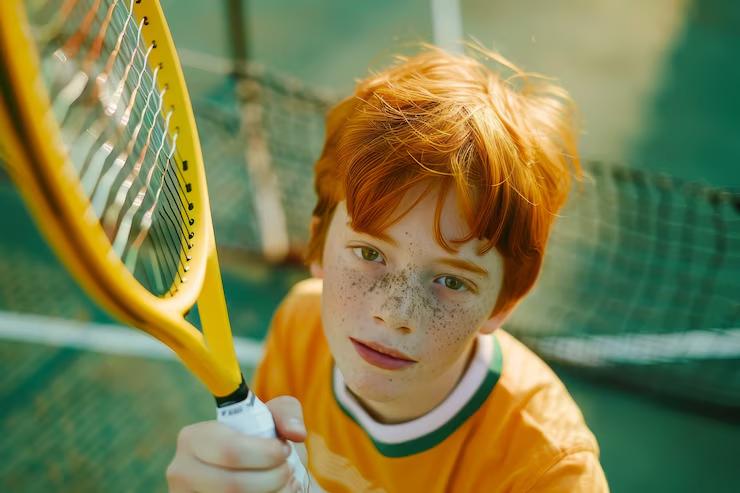
In a Childrens football club, for example, a child might experience the frustration of losing a match after giving their best effort. In a tennis session, they may struggle to land a serve over the net or face a stronger opponent. These moments teach children that failure isn’t the end—it’s a step toward improvement.
Coaches in football clubs and during private tennis sessions help children reframe mistakes as learning opportunities. Instead of giving up after a missed shot, kids learn to ask, What can I do differently next time? This mindset is the foundation of resilience: the ability to bounce back, try again, and stay motivated despite setbacks.
The Power of Repetition and Effort
Both football and tennis require patience and practice. You can’t master a perfect pass or a powerful serve overnight. During football training, children repeat drills, refine their technique, and slowly improve through consistent effort. The same happens in tennis sessions, where they might spend weeks perfecting their forehand or learning to control the ball’s spin.
This process teaches a powerful lesson: progress takes time, and perseverance is the key to getting better. Children begin to understand that talent isn’t everything—effort and determination are just as important.
Dealing with Pressure and Staying Calm
Football and tennis often place children in high-pressure situations: taking a penalty kick in a match, serving for the game in a tennis set, or making a key decision in a tight moment. Learning to handle these moments with focus and calm is a skill that directly builds resilience.
In a Childrens football club, a coach might teach a child how to manage nerves before a big game. In a tennis session, a child learns to take a deep breath, reset their mind, and focus on the next point after a mistake. These mental strategies are essential tools for resilience—not just in sports, but in school, friendships, and life’s bigger challenges.
Individual Effort and Team Support
One reason football and tennis complement each other in building resilience is their different structures. Football emphasizes teamwork, while tennis often focuses on individual performance.
In football, children learn to rely on their teammates, bounce back together from setbacks, and support one another. They see that resilience is not just a personal trait but something strengthened by community.
In tennis, especially in private tennis sessions, the child faces challenges alone. They learn to rely on their own judgment, stay mentally strong, and take responsibility for their actions. This independence teaches perseverance on a personal level, showing that they have the power to overcome obstacles through their own effort.
The Emotional Journey of Sports
Both football and tennis are emotional games. There’s joy in scoring a goal, excitement in winning a point, frustration after a mistake, and sometimes even tears after a tough loss.
By experiencing this emotional rollercoaster in a safe, supportive environment like a Childrens football club or a tennis session, children learn to manage their feelings in healthy ways. They discover that emotions are part of the process—and that setbacks, while difficult, are temporary.
Learning to handle disappointment without giving up is a core element of resilience. Sports teach children that it’s okay to feel upset—but what matters most is what they do next: keep practicing, keep playing, and keep learning.
Resilience Beyond the Game
The resilience and perseverance built on the field or court extend far beyond sports. Children who learn to stay calm during a match, bounce back after a loss, and keep working to improve carry these lessons into other areas of life. They approach schoolwork with a growth mindset, handle social challenges with patience, and develop the confidence to face difficulties head-on.
In fact, studies have shown that children who participate in sports like football and tennis are more likely to develop strong problem-solving skills, higher emotional intelligence, and a greater sense of self-efficacy—all essential qualities for navigating the challenges of adolescence and adulthood.
The Role of Coaches in Shaping Resilience
In both football clubs and tennis sessions, coaches play a vital role in fostering resilience. They model positive attitudes, encourage effort over perfection, and remind children that improvement is a journey. Good coaches understand that building resilience isn’t about shielding kids from challenges—it’s about guiding them through struggles and helping them find their own strength.
A Game Plan for Life
When a child joins a Childrens football club or signs up for a private tennis session, they’re not just learning how to play a sport. They’re stepping into a world where they’ll face challenges, make mistakes, and learn the value of persistence.
Football and tennis are more than just games—they’re training grounds for resilience, teaching kids to pick themselves up, try again, and never lose sight of their goals.
And long after the final whistle blows or the last point is played, these lessons stay with them, helping them become not just better players, but stronger, more determined, and more resilient people.