
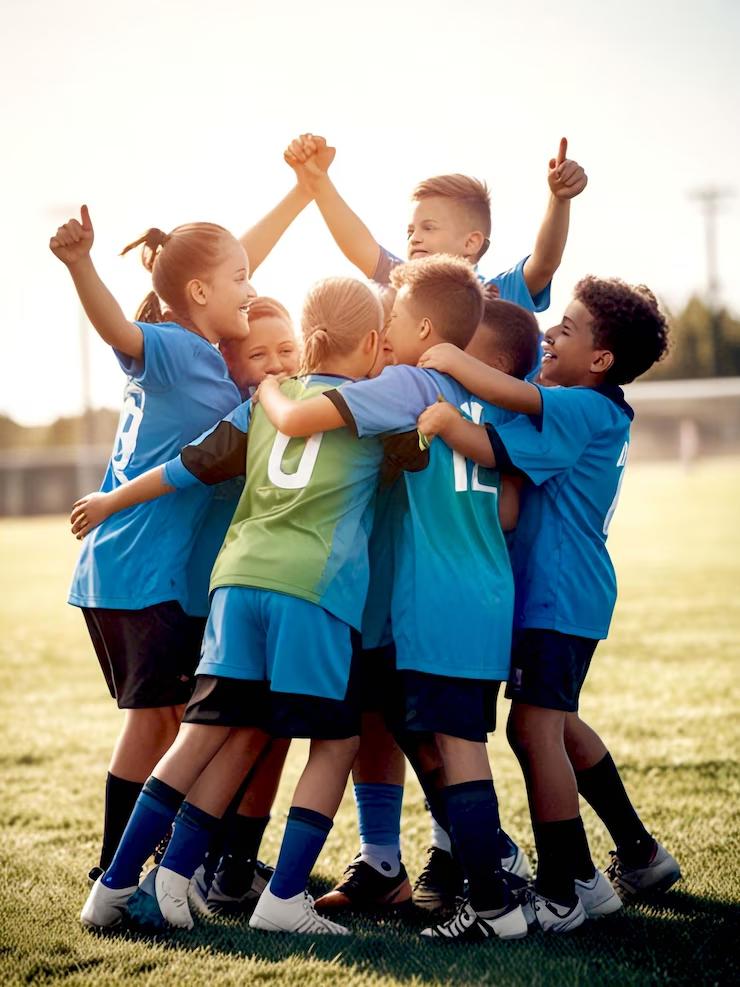
When we picture children playing football, we often think of excitement on the pitch—shouts of encouragement, teammates passing the ball, and the thrill of scoring a goal. But beyond the cheers and high-fives, there’s a deeper story unfolding: a story of teamwork, where children learn to work together, support each other, and build bonds that go far beyond the game itself.
In a Childrens football club, teamwork is at the heart of every football training session. It’s a skill that, once learned, shapes not only how a child plays the game but also how they interact with the world around them. Let’s explore why teamwork is so important in football and how it benefits children far beyond the pitch.
Football: The Ultimate Team Sport
Football is a game built on cooperation. No matter how talented an individual player may be, they can’t win a match alone. Success comes from passing the ball, defending together, supporting each other’s efforts, and trusting that every player has a role to play.
In a Childrens football club, kids quickly learn that they need their teammates. They rely on the goalkeeper to make crucial saves, the defenders to protect the backline, the midfielders to control the game, and the forwards to finish the chances. Each player, no matter their position, is part of a bigger puzzle.
This sense of shared purpose is the foundation of teamwork. Children discover that they are stronger together, and that working as a unit can lead to achievements that would be impossible alone.
Communication: The Glue That Holds a Team Together
One of the first things children develop in football training is the ability to communicate with others. Calling for a pass, asking for support, or encouraging a teammate after a mistake—these are all examples of how football teaches kids to express themselves clearly and respectfully.
Learning to communicate on the field builds confidence. Children discover how to:
- Speak up when they need help.
- Listen to others and respond positively.
- Offer feedback and encouragement.
- Solve problems together when things aren’t going as planned.
These communication skills are vital, not just in football, but in school, friendships, and future workplaces.
Learning to Trust and Support Each Other
In a Childrens football club, children learn to trust their teammates. They pass the ball, knowing someone will be there to receive it. They celebrate goals together, knowing it was a shared effort. They support each other after a missed shot or a lost game, understanding that setbacks are part of the journey.
This trust builds a sense of belonging. Children feel that they are part of something bigger—a team that works together, wins together, and grows together. This sense of community boosts self-esteem and teaches children that they don’t have to face challenges alone.
Dealing with Differences and Building Empathy
Teams are made up of different personalities, abilities, and backgrounds. In a Childrens football club, kids learn to appreciate these differences. They might play alongside someone younger or less experienced, or with a teammate who has a different playing style.
This diversity teaches children to:
- Be patient with others.
- Help teammates who are learning new skills.
- Respect different opinions and approaches.
- Value everyone’s contribution to the team.
By working with a variety of teammates, children build empathy and understanding—qualities that make them not just better players, but kinder and more inclusive people.
Handling Success and Failure as a Team
Football is full of ups and downs—winning a game one week, losing the next. In a team setting, children learn to handle these emotions together. They celebrate victories as a group, knowing that everyone played a part, and they support each other after defeats, understanding that mistakes are part of the learning process.
This shared experience teaches resilience. Children learn that success isn’t just about personal achievements; it’s about how the team comes together, learns from mistakes, and keeps moving forward.
Teamwork Builds Leadership
In a Childrens football club, teamwork also creates opportunities for leadership. Children learn that being a leader isn’t just about being the loudest or the best player; it’s about helping the team. Leaders in football encourage others, set a positive example, and motivate the group during difficult moments.
Whether a child steps up to organize the team during a drill or offers a few words of encouragement after a tough match, they’re developing leadership skills that will serve them for life.
Life Skills Beyond the Pitch
The teamwork lessons learned in football training extend far beyond the field. Children who understand how to work in a team are better prepared for group projects in school, extracurricular activities, and eventually, professional environments.
They learn how to:
- Share ideas and listen to others.
- Resolve conflicts respectfully.
- Accept constructive feedback.
- Prioritize collective success over individual glory.
These are life skills that will help them thrive in any situation, whether they’re part of a sports team, a study group, or a workplace project.
A Foundation for Lifelong Friendships
Finally, teamwork in football often leads to something truly special: lifelong friendships. The bonds formed during football training, games, and tournaments—cheering each other on, working toward a shared goal, and having fun together—can last for years.
Children who play in football clubs often say that their teammates feel like a second family. This sense of belonging and connection makes the experience even more rewarding and reinforces the joy of teamwork.
In the End, It’s About Growing Together
A Childrens football club is much more than a place to learn how to pass or shoot. It’s a space where children discover the magic of teamwork: that success is sweeter when shared, that challenges are easier when faced together, and that every player matters.
By learning to work as a team on the football pitch, children develop the skills and mindset to become supportive, empathetic, and collaborative individuals—qualities that will serve them for the rest of their lives, both on and off the field.
Read More: How Sports Build Confidence in Shy Children