
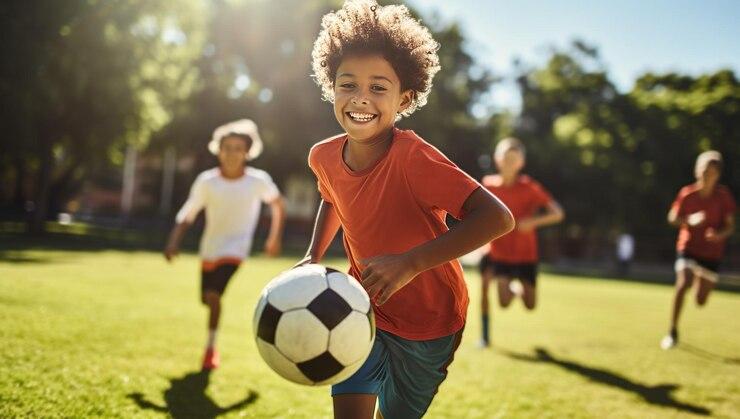
When children step onto the field for their first session at a childrens football club, they aren’t just learning how to dribble, pass, or score goals. They are stepping into an environment where teamwork, communication, and social understanding become just as important as physical skill. For many kids, childrens football training is one of their earliest experiences in learning how to navigate group dynamics, form friendships, and handle both success and setbacks as part of a team.
The Power of Teamwork From an Early Age
Football, by its very nature, is a team sport. Each child learns quickly that their success depends not only on their individual effort but also on how well they collaborate with others. During a typical football training session, children are grouped into teams for drills, exercises, and mini-games. This setup naturally encourages them to communicate, listen, and contribute towards a shared goal.
For younger players, especially those in beginner groups at a childrens football club, activities are often designed to subtly build teamwork skills. Simple passing drills, relay races, or small-sided games teach players that sharing the ball and supporting their teammates leads to more enjoyable and rewarding outcomes.
Communication Skills on and off the Pitch
Clear communication is a vital aspect of football, and this translates beautifully into developing social skills. During training, coaches encourage players to call out for passes, alert teammates about opponents, and offer encouragement to others. These moments of interaction, though simple, foster confidence in speaking up and being heard.
In childrens football training, verbal cues like “I’m open!” or “Pass here!” quickly become second nature. Over time, children also learn the importance of non-verbal communication — reading body language, interpreting gestures, and responding instinctively to teammates’ movements.
This emphasis on clear, respectful communication spills over into other areas of their lives. Whether it’s making friends at school, participating in group projects, or engaging with family, the skills honed in football help children navigate social situations with ease.
Handling Success, Setbacks, and Emotions
One of the most profound lessons kids learn in a football club environment is how to handle emotions. Scoring a goal brings joy, but missing a shot, losing a game, or making a mistake teaches resilience. Coaches at childrens football clubs are trained not only in athletic development but also in helping kids manage these emotional highs and lows constructively.
Football training often includes praise for effort, not just for winning. Children are encouraged to support teammates who are struggling and to celebrate team successes collectively rather than focusing solely on individual achievement. This nurtures empathy — understanding how others feel — and promotes emotional intelligence.
Building Friendships Through Shared Experiences
Many children form lifelong friendships through their participation in football. Regular football training creates a consistent space where kids interact with peers who share common interests. As they engage in drills, practice strategies, and play matches together, bonds naturally form.
In fact, one of the most rewarding aspects of joining a childrens football club is that it provides a safe and structured setting where shy or introverted children can open up. Shared goals, laughter during fun drills, and celebrating victories help even the quietest kids come out of their shells.
Leadership and Responsibility at Every Level
Football also provides a natural avenue for children to develop leadership skills. Whether it’s volunteering to be team captain, helping to set up equipment, or guiding teammates during drills, there are constant opportunities for kids to step into leadership roles.
Coaches frequently rotate leadership tasks during childrens football training, ensuring every child experiences what it feels like to lead and be led. This approach fosters mutual respect and teaches children how to accept responsibility, make decisions, and support their peers.
Conflict Resolution in Real-Time
No group activity is without occasional conflicts — whether it’s disagreements over rules, frustration over fouls, or debates about who plays in which position. These moments, while challenging, are valuable learning opportunities.
Coaches at well-run football clubs guide children through resolving conflicts constructively. They encourage players to listen to each other, express their feelings calmly, and come to fair solutions. Over time, kids learn that disagreements don’t have to escalate into arguments and that compromise and understanding are crucial in maintaining team harmony.
Diversity and Inclusion on the Football Pitch
Another essential social benefit of football is exposure to diversity. A typical childrens football club brings together kids from various backgrounds, cultures, and skill levels. This inclusive environment teaches children to appreciate differences, work with diverse groups, and respect others regardless of their abilities or backgrounds.
Being part of a diverse team prepares children for the wider world, where collaboration with people from various walks of life is essential. In many ways, the football pitch becomes a microcosm of society, where kids learn acceptance, cooperation, and mutual respect.
Supportive Coaches as Social Role Models
The role of the coach extends far beyond teaching drills. Coaches serve as role models in how they handle stress, communicate effectively, and resolve issues. In childrens football training, good coaches demonstrate kindness, patience, and fairness — behaviors that children observe and often replicate.
A positive coaching environment reinforces values like good sportsmanship, respect for opponents, and cheering for everyone’s effort, not just the winners. These lessons are deeply social in nature and contribute significantly to a child’s interpersonal development.
Celebrating Small Wins Together
The camaraderie built in football is often solidified by celebrating small wins — not just the final score but mastering a new skill, executing a perfect pass, or showing great teamwork. These moments of collective pride build self-esteem and reinforce a sense of belonging.
When kids high-five after a goal or cheer a teammate for their effort, they’re learning about encouragement and mutual support. These acts, while simple, are foundational in developing positive social habits.
The Lasting Impact Beyond the Field
While the primary goal of joining a childrens football club might be physical fitness and learning the sport, the social benefits are often what families value most in the long run. The friendships, communication skills, empathy, leadership, and emotional intelligence gained through childrens football training equip kids not just for sports, but for life.
The lessons learned on the football field stay with children long after the final whistle blows, influencing how they interact with others, approach challenges, and build relationships well into adulthood.
Read More In: The Impact of Football Training on Focus and Discipline for Young Players