
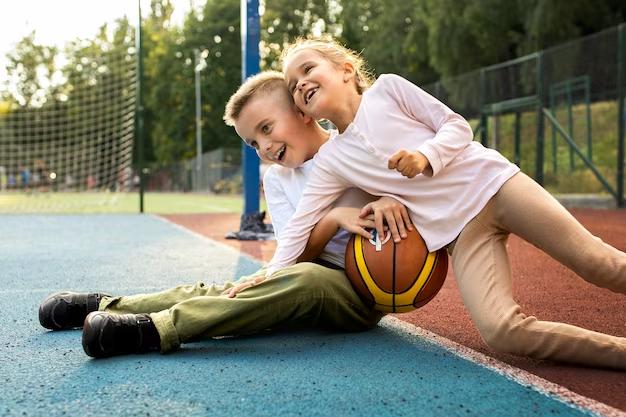
Encouraging a lifelong love for sports in your child goes beyond simply signing them up for activities. It’s about creating positive experiences, fostering curiosity, and building a mindset that appreciates physical activity as a joyful and integral part of life. When approached with the right mix of encouragement, fun, and understanding, sports can become a cherished part of your child’s routine, benefiting their physical and mental well-being for years to come. Here are some effective ways to help your child develop a lasting love for sports.
1. Focus on Fun, Not Performance
Children are naturally inclined to play and be active, so the best way to start them on a path of enjoying sports is to make it fun. When kids associate sports with enjoyment rather than pressure or performance, they’re more likely to want to keep playing. Instead of focusing on how well they perform or pushing them to compete, emphasize the pleasure of movement, discovery, and play.
For young children, joining a kids’ football club or tennis session can introduce them to structured play in a relaxed environment. Look for programs that prioritize enjoyment and skill-building over winning, as this will help children develop a positive attitude toward sports without the stress of competing.
2. Let Them Explore Different Sports
One way to build your child’s interest in sports is to expose them to a variety of activities. Some children thrive in team sports like football, while others prefer individual activities like tennis or swimming. By allowing them to try out different sports, you’re helping them discover what they enjoy most.
Encouraging exploration also helps prevent burnout, as kids won’t feel confined to a single activity. Multi-sport involvement is beneficial for developing a broad range of skills, as each sport brings unique physical and cognitive challenges. For instance, football improves coordination and teamwork, while tennis promotes agility and concentration. Experimenting with various sports keeps things fresh and exciting, increasing the chances that your child will find a sport they want to stick with.
3. Be a Role Model of Physical Activity
Children are strongly influenced by what they see their parents and family members doing. If they observe you staying active, they’re more likely to view physical activity as a normal and enjoyable part of life. Find ways to incorporate fitness into your family routine, such as taking a walk, riding bikes, or playing a game of catch in the backyard. These family activities not only encourage a healthy lifestyle but also create positive associations with movement.
You don’t have to be a sports expert or an athlete yourself—simply showing enthusiasm for being active goes a long way. If your child sees that you value and enjoy physical activity, they’ll be more inclined to do the same.
4. Celebrate Effort and Progress, Not Just Results
Building a love for sports means helping your child focus on their growth rather than just the outcome of a game. Celebrate the effort they put into practice, the courage to try something new, or the determination they show when they’re learning a new skill. When children feel recognized for their efforts and see their own progress, they’re more motivated to keep trying and improving.
If your child scores a goal in football, that’s great, but it’s also important to celebrate the smaller wins, like successfully learning a new move or playing with good sportsmanship. These positive reinforcements make them feel accomplished, appreciated, and encouraged to keep participating.
5. Encourage Friendships Through Sports
One of the most enjoyable aspects of sports for children is the chance to make new friends and spend time with their peers. Encourage your child to build friendships within their sports club or team, as these relationships can make the experience even more enjoyable and give them a reason to look forward to practices and games.
Organize playdates, carpool with other parents, or attend games together as a family to create a supportive community around your child’s sports activities. When sports become a social experience, kids are more likely to see them as a fun and valuable part of their lives.
6. Keep Sports Pressure-Free
While it’s natural to want your child to excel, applying too much pressure can have the opposite effect and dampen their interest in sports. Let your child set their own goals and participate at a pace that feels comfortable to them. Avoid comparing them to other kids or expecting them to meet certain milestones too quickly.
By creating a low-pressure environment, you’re allowing your child to grow at their own pace and focus on what they enjoy rather than what they think is expected of them. This pressure-free approach fosters a healthier, more positive relationship with sports and reduces the risk of burnout or resistance.
7. Incorporate Playful Physical Activity at Home
Sports don’t only have to happen on a field or at practice. Try to include playful physical activities at home, in the backyard, or during family outings. Simple games like tag, scavenger hunts, or obstacle courses are great ways to get moving while also having fun. You can even set up mini-challenges, like a timed sprint or a friendly match, to make activity enjoyable.
Introducing playful movement into your child’s day helps them see that physical activity is not restricted to structured sports settings. They’ll begin to view it as something that can happen anywhere, at any time, and recognize the joy it brings in different forms.
8. Share Inspiring Stories of Athletes
Children often enjoy hearing stories about athletes who have overcome challenges, worked hard, or achieved something significant. Share age-appropriate stories about athletes who value perseverance, sportsmanship, and teamwork, rather than just their winning moments. Highlight stories that emphasize passion, effort, and the love of the game.
These stories can motivate children and help them understand that sports are about more than just winning—they’re about pushing boundaries, learning from losses, and having a positive mindset. This storytelling approach can inspire them to see sports as a journey of personal growth.
9. Focus on the Health and Wellness Benefits of Sports
Help your child understand the importance of sports for their health and well-being. Explain how exercise helps them grow stronger, gives them energy, and even improves their mood. When children recognize the benefits that sports and physical activity bring to their lives, they’re more likely to develop a lasting appreciation for it.
This approach is particularly effective as they grow older and begin to understand the connection between physical activity and overall health. A child who sees sports as a tool for well-being is more likely to prioritize an active lifestyle as they transition into adolescence and adulthood.
10. Support Their Independence in Sports
As your child grows more comfortable in their sports, give them a sense of ownership and independence. Allow them to make choices about the sports they participate in, their goals, or even the positions they want to try in team sports. This independence can make sports feel like their own journey rather than something they’re doing because of external expectations.
Giving them control over their sports experience helps them develop a sense of commitment and pride in their accomplishments. They’ll begin to feel like active participants in their own growth, which can strengthen their dedication and enjoyment.
11. Set Realistic Expectations and Show Patience
Every child progresses at their own pace, so it’s essential to set realistic expectations and remain patient with their development. Not every child will excel right away, and some may prefer the social or recreational aspects of sports rather than competition. Respect their preferences and support them in finding the aspects of sports that they enjoy most.
When children know they have a supportive, understanding parent, they’re more likely to enjoy their experience and continue participating. Embracing their unique journey shows them that sports are for everyone, no matter their skill level.
12. Encourage Family and Community Engagement in Sports
Attending games, cheering them on, or even volunteering to help at events shows your child that you value their sports journey. Your involvement signals that sports are not only a solo activity but also a way to connect with family and community. Community sports events or friendly family games can become a source of bonding, and when kids see that others also enjoy sports, they feel part of something meaningful.
These shared experiences reinforce that sports are more than just practices and matches—they’re opportunities for connection, support, and joy.
By focusing on enjoyment, exploration, and personal growth, you can help nurture a positive relationship with sports that your child will carry with them through life. Whether they pursue sports recreationally or competitively, the lessons and joy they gain along the way will be invaluable.