
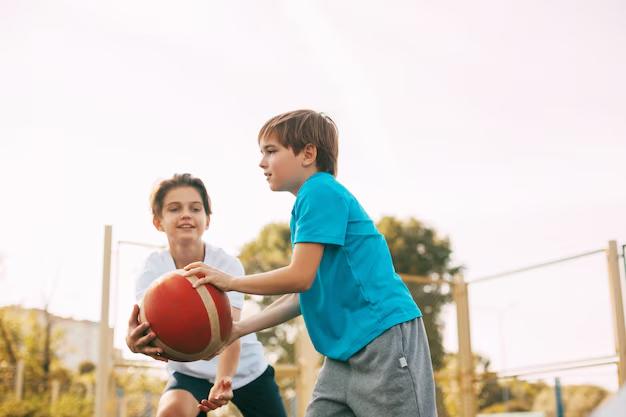
Finding the right sport for your child can be a rewarding journey that taps into their unique personality, interests, and abilities. Children are drawn to activities that resonate with who they are, whether they thrive in team settings, enjoy individual challenges, or simply love being active in a specific way. When children participate in sports that match their preferences and temperament, they’re more likely to stay engaged, develop skills, and enjoy the experience. Here’s a guide to help you select a sport that aligns with your child’s personality and interests.
1. Understanding Your Child’s Personality Traits
Before exploring specific sports, take time to consider your child’s natural disposition. Each child’s personality can influence which sports they’ll enjoy and succeed in. For example, a child who is highly social and enjoys group activities may be better suited for team sports, while a child who prefers solo activities and self-reflection might enjoy individual sports.
Here are a few personality traits to consider:
- Social and outgoing: Kids who love being around others may enjoy team-oriented sports where they can make friends and work collaboratively.
- Independent and introspective: Children who prefer solitary play or focus on their own goals may enjoy individual sports.
- Energetic and adventurous: Highly active children with a strong sense of adventure might enjoy fast-paced or extreme sports.
- Focused and strategic: Children who enjoy thinking ahead and strategizing may thrive in sports that require planning and precision.
Matching your child’s personality to a sport that suits them can help foster confidence and enjoyment from the start.
2. Team Sports for Social and Outgoing Kids
For children who thrive in social settings, team sports provide an ideal way to channel their energy and connect with others. Sports like football, basketball, and volleyball encourage children to work together, communicate, and build friendships. Team sports are especially great for children who enjoy camaraderie, as they offer numerous opportunities to form bonds with teammates.
Football, for example, allows kids to develop teamwork skills and learn the importance of each player’s role in achieving a shared goal. Additionally, team sports provide a supportive environment where children can celebrate victories together and learn how to navigate setbacks as a group. The sense of belonging and friendship that team sports offer can be particularly fulfilling for social children.
3. Individual Sports for Independent and Focused Kids
Some children are naturally drawn to activities that allow them to focus on personal achievements. For these independent and often introspective kids, individual sports like tennis, swimming, gymnastics, or martial arts can be a great match. These sports let children set their own goals and measure their progress independently, which can be highly motivating for children who prefer working at their own pace.
Individual sports also foster self-discipline and resilience, as children learn to rely on themselves and take ownership of their performance. In a sport like tennis, for instance, players learn to manage their own success and setbacks, building confidence in their abilities along the way. For kids who enjoy setting personal goals and enjoy quiet, focused practice, individual sports can be deeply satisfying.
4. Sports for Energetic and Adventurous Kids
Some children have boundless energy and an adventurous spirit. For these kids, sports that offer variety, excitement, and physical challenges can be a great fit. Activities like soccer, track and field, and even climbing or skateboarding allow children to channel their energy productively.
Soccer is an excellent choice for kids who love movement, as it involves constant running, coordination, and strategic play. Other high-energy sports, like gymnastics or martial arts, also keep kids active while giving them an outlet to use their physical strength, balance, and coordination. These activities encourage children to push their boundaries and embrace challenges, keeping them motivated and excited to improve.
5. Consider Sports for Thoughtful and Strategic Kids
For children who are natural thinkers and strategists, sports that require planning, focus, and careful decision-making can be a great choice. Sports like chess (yes, it’s a competitive sport!), golf, fencing, and even certain types of football positions (like quarterback) emphasize mental agility and strategic thinking.
For example, golf requires careful planning, focus, and patience, as players assess the course, calculate distances, and decide on the best approach. Similarly, fencing combines fast reflexes with thoughtful strategy, as players must anticipate their opponent’s moves and adjust their tactics accordingly. These sports are ideal for children who enjoy thinking critically and solving problems, as they offer challenges that engage both the body and the mind.
6. Trying Multi-Sport Programs for Children with Diverse Interests
If your child has a wide range of interests or isn’t sure which sport they like best, consider a multi-sport program. These programs expose children to several sports in one setting, giving them the chance to try different activities without committing to just one. Multi-sport programs can include combinations like football, basketball, and tennis, or even introduce children to less common sports like badminton or table tennis.
This variety keeps kids engaged and lets them explore what they enjoy most. Multi-sport programs are particularly beneficial for younger children who are still discovering their preferences, as they allow for exploration without pressure. This approach helps children learn different skills, improve overall fitness, and potentially discover a passion for a sport they might not have tried otherwise.
7. Matching Interests with the Right Sports
A child’s interests outside of sports can also offer clues to which sports they might enjoy. For example:
- Animal lovers may enjoy horseback riding or equestrian activities.
- Nature enthusiasts might enjoy hiking, trail running, or cross-country sports.
- Kids interested in rhythm and movement could be drawn to dance, gymnastics, or even synchronized swimming.
- Fans of technology and tactics may enjoy archery or sports that require specialized gear, like fencing or martial arts.
Involving your child’s interests in the decision-making process can increase their excitement about trying a new sport. When children see a connection between sports and what they already enjoy, they’re more likely to stay engaged and motivated.
8. Evaluating the Physical Demands of Each Sport
Another factor to consider is the physical demands of each sport and how they align with your child’s physical abilities and preferences. Some sports require extensive running, strength, or agility, while others focus more on flexibility, balance, or endurance.
If your child has natural speed and agility, they might excel in sports like football, basketball, or track. Children with strong balance and coordination might enjoy gymnastics or dance, where they can refine these skills. Matching the physical demands of a sport to your child’s abilities helps set them up for success and enjoyment.
9. Listening to Your Child’s Preferences
Involving your child in the decision-making process is essential. Talk to them about their preferences and ask which sports they’d like to try. This conversation can reveal a lot about their interests and comfort levels. Some children may feel excited about joining a large, structured team, while others might feel more comfortable in a smaller group or one-on-one environment.
Allowing your child to have a say gives them a sense of control and ownership over their sports journey, which can make the experience more meaningful. Let them try different options, observe their reactions, and check in regularly to see how they feel about their chosen sport.
10. Encouraging a Growth Mindset, Regardless of Sport
No matter which sport your child chooses, fostering a growth mindset is crucial. Remind your child that sports are about learning, improving, and having fun—not about being perfect. Encourage them to embrace challenges, celebrate small victories, and learn from setbacks.
When children feel supported to explore and improve without the pressure of perfection, they’re more likely to develop a positive relationship with sports. This mindset will allow them to stay curious, motivated, and open to trying new things, even as their interests evolve.
Finding the Perfect Fit for Your Child
Choosing the right sport for your child is about discovering what brings them joy and fulfillment. By considering their personality, interests, and natural abilities, you can help them find an activity that resonates with them. The right sport will not only help them grow physically but also build confidence, resilience, and friendships that will enrich their lives for years to come.