
Children learn through movement long before they fully understand rules, tactics, or technique. A ball rolling across the floor, a racket meeting a tennis ball, a group of friends chasing a goal, or a coach turning a simple drill into an adventure can all become part of how young children discover their bodies, their emotions, and the people around them. Football and tennis may look very different, but both sports offer rich learning experiences for children from toddlers to pre-teens.
Football is often the first sport many children recognise. It feels simple at the beginning: kick the ball, chase it, stop it, score a goal. That simplicity is one of its greatest strengths. A young child does not need to understand formations or match strategy to enjoy a football session. They can join in through running, laughing, following colours, copying movements, and celebrating small successes. In a welcoming Childrens football club, the game becomes less about competition and more about discovery.
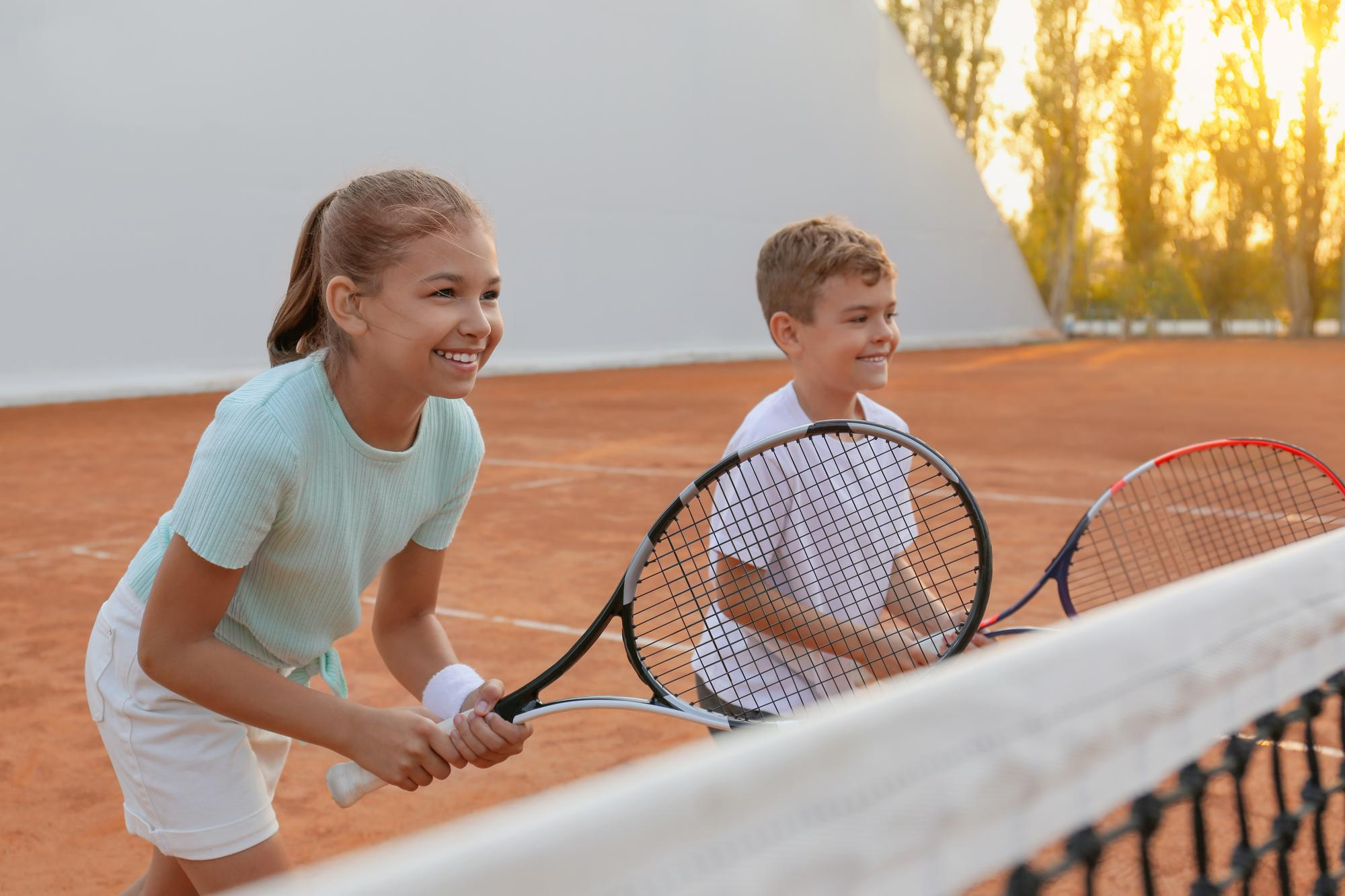
Tennis, on the other hand, introduces children to a different kind of challenge. A Tennis session asks them to watch carefully, wait for the ball, control their movement, and coordinate the racket with their eyes and hands. At first, this can feel tricky. The ball may bounce too high, the racket may feel awkward, and timing can be difficult. But this is exactly why tennis can be so valuable. It teaches patience, focus, and persistence in a playful way.
One of the biggest differences between football and tennis is how children experience teamwork. Football is naturally social. Even in very young age groups, children are often moving together, chasing the same ball, taking turns, passing, and reacting to teammates. They learn that their actions affect others. A child may discover that passing the ball helps a friend score, or that listening to a coach makes the game smoother for everyone. This makes Childrens football training a strong environment for developing social awareness.
Football also helps children understand group energy. The sound of teammates cheering, the excitement of a small match, and the shared joy of scoring can make children feel part of something bigger than themselves. For shy children, this can be powerful. They may not need to speak much at first; simply joining the group is already a step forward. Over time, they may begin to call for the ball, encourage others, or celebrate with teammates.
Tennis teaches social skills in a quieter but equally important way. Children learn to take turns, respect space, wait for their partner, and listen closely. In doubles or paired exercises, they must cooperate and communicate, but the rhythm is often calmer than football. This can suit children who prefer a little more structure or who feel overwhelmed by large group games. A Private tennis session can also give a child more individual attention, helping them build confidence at their own pace.
Football often develops confidence through action. Children are encouraged to run, try, miss, recover, and try again. The game moves quickly, which means mistakes do not last long. A missed kick is soon replaced by another chance. This can teach children that errors are part of play, not something to fear. In good Football training, coaches use these moments to build resilience rather than pressure.
Tennis develops confidence through precision and progress. A child may spend time learning how to hold a racket, judge a bounce, or hit the ball over a small net. Improvement can feel very clear: yesterday they missed the ball, today they touched it, next week they may return it. These steps give children a strong sense of achievement. Tennis teaches them that focus and repetition can turn something difficult into something possible.
Football is especially useful for developing gross motor skills. Running, stopping, turning, jumping, kicking, balancing, and changing direction are all part of the game. Children build body awareness without feeling like they are doing formal exercise. They are simply playing. For toddlers and younger children, this kind of movement is essential because it helps them understand space, speed, balance, and coordination.
Tennis supports motor development in a different way. It strongly encourages hand-eye coordination, timing, balance, and controlled movement. Children must track the ball, position their feet, swing the racket, and adjust their body. These actions require concentration and control. A tennis session can be especially helpful for children who are learning to coordinate smaller, more precise movements while still staying active.
In football, children often learn to make quick decisions. Should they chase the ball, pass to a teammate, move into space, or take a shot? Even simple games require children to notice what is happening around them. They begin to scan, react, and choose. These decisions may happen in seconds, but they help children practise awareness and independence.
In tennis, decision-making is often more measured. Children learn where to stand, when to swing, how hard to hit, and where to send the ball. They also learn to prepare before the ball arrives. This develops anticipation. Tennis encourages children to think about timing and control, while football encourages them to react to a constantly changing group environment.
Emotionally, football teaches children how to manage excitement. A goal, a race, or a team game can bring big feelings. Young children may feel thrilled, frustrated, impatient, or disappointed all within a few minutes. With supportive coaching, football becomes a safe place to practise emotional regulation. Children learn to wait their turn, accept rules, handle losing a small game, and celebrate without upsetting others.
Tennis teaches emotional control through patience. Because tennis often involves repeated attempts, children learn to stay calm when the ball does not go where they want. They may need to try the same skill several times before it works. This can be challenging, but it is also valuable. Tennis helps children understand that progress can be gradual and that calm effort often leads to improvement.
Football has a wonderful way of making children feel brave. The pitch gives them space to move freely, use energy, and take part in group play. A child who is nervous at first may eventually run toward the ball, ask to join a team, or attempt a shot in front of others. These moments can build courage because the child is taking small risks in a supportive setting.
Tennis can make children feel capable in a more individual way. When a child hits the ball successfully, it is a direct result of their own movement and focus. That clear connection between effort and outcome can be very satisfying. In a Private tennis session, a coach can adapt the pace, making it easier for the child to experience success without feeling rushed by a group.
Football also teaches children about shared responsibility. In a team game, no single child controls everything. Everyone plays a part. Children learn that helping, passing, defending, and encouraging can be just as important as scoring. This is a meaningful lesson because it shows children that contribution comes in many forms. Not every child needs to be the loudest or fastest to matter.
Tennis teaches personal responsibility. A child learns that preparation, attention, and effort influence what happens next. They begin to understand their own role in improvement. This does not mean tennis is lonely or serious. A good coach can make tennis playful and social. But the sport naturally gives children a strong sense of personal progress.
For children who love energetic group play, football can feel instantly exciting. It offers movement, noise, teamwork, and imagination. Many Football clubs use games and stories to make sessions fun for young children. Cones may become islands, goals may become castles, and dribbling may become a mission. This playful style helps children learn without feeling pressured.
For children who enjoy focused challenges, tennis can be deeply engaging. The rhythm of bounce, swing, and return can become almost like a puzzle. Children learn to solve problems with their bodies: move closer, wait longer, swing softer, aim higher. This type of learning can help build concentration and self-awareness.
Football can be particularly helpful for children who need to develop social confidence. Because the sport is naturally interactive, children have many chances to engage with others. They might share equipment, form teams, celebrate goals, or help collect cones. These simple interactions can make children more comfortable in group settings.
Tennis can be especially helpful for children who benefit from individual encouragement. Some children feel more confident when they receive direct guidance from a coach. A Private tennis session can create a calm space where the child can ask questions, repeat skills, and progress without worrying about comparison. This can be useful for children who are cautious, easily distracted, or nervous about group activities.
The pace of football is one of its defining features. The ball moves quickly, players move constantly, and situations change fast. This teaches adaptability. Children learn that plans may change and that they need to respond. They may run toward the goal, then suddenly need to turn back. They may prepare to kick, then realise a teammate is in a better position. These experiences help children become flexible thinkers.
The pace of tennis is different. It includes bursts of movement followed by moments of reset. Children learn rhythm: prepare, watch, move, hit, recover. This rhythm helps develop attention and discipline. It can also teach children to pause and refocus after each attempt. That ability to reset is valuable far beyond sport.
Both sports teach listening, but in different ways. In football, children listen while moving within a group. They need to hear instructions, respond to whistles or signals, and understand simple rules while surrounded by excitement. This builds practical listening in active environments. In tennis, children often listen in a more focused one-to-one or small group setting. They may receive specific feedback about grip, movement, or timing, then apply it straight away.
Another difference is how each sport introduces competition. Football competition is often shared. Children win, lose, and celebrate as a team. This can soften the pressure because outcomes are collective. It also teaches children to support others through both success and disappointment. In a thoughtful Childrens football club, competition can be framed as friendly challenge rather than pressure.
Tennis competition can feel more individual, especially in singles. This teaches children to manage personal responsibility and self-control. They learn to accept a missed shot, prepare for the next point, and keep trying. With the right coaching approach, tennis competition can help children become calmer and more resilient.
It is important not to think of football and tennis as opposites where one is better than the other. They simply teach different lessons. Football often shines in teamwork, group confidence, fast movement, communication, and social development. Tennis often shines in focus, patience, coordination, individual progress, and emotional control. Together, they can give children a balanced sporting experience.
A child who plays football may become more confident in groups, more willing to communicate, and more comfortable with fast-paced play. A child who tries tennis may become more patient, more focused, and more aware of their own movement. These skills can support each other. The quick footwork learned in football may help on a tennis court. The concentration developed in tennis may help a child listen better during football training.
The best sport for a child often depends on personality, mood, and stage of development. Some children love the buzz of Football clubs from the first day. Others prefer the quieter challenge of a racket and ball. Some enjoy both because each sport gives them something different. A child might enjoy football for friendship and energy, while enjoying tennis for focus and personal achievement.
Parents and carers can learn a lot by watching how children respond. Does the child light up when playing with a team? Do they enjoy chasing, passing, and cheering? Football may be a natural fit. Does the child enjoy repeating a skill, receiving individual feedback, and solving movement challenges? Tennis may be especially rewarding. But children can surprise adults. A quiet child may become bold on a football pitch. An energetic child may discover calm concentration during tennis.
For toddlers, football often begins with playful movement rather than formal sport. They may kick soft balls, follow colourful cones, copy animal movements, or run toward small goals. Tennis for very young children may involve balloons, foam balls, mini rackets, and simple tracking games. At this stage, the goal is not technical skill. It is enjoyment, movement, confidence, and curiosity.
For pre-teens, both sports can become more structured. Football may introduce tactics, positions, teamwork, and match play. Tennis may introduce rallying, serving, footwork, and scoring. Older children can begin to understand strategy and improvement more deeply. They may also start setting personal goals, such as improving their passing or returning more shots.
A high-quality sports environment matters more than the sport itself. Children benefit most when coaches are patient, encouraging, and skilled at adapting activities. Whether it is Childrens football training or a tennis session, the atmosphere should feel safe, positive, and fun. Children should feel allowed to make mistakes, ask questions, and improve gradually.
Football and tennis both show children that learning happens through practice. Neither sport rewards perfection from the beginning. Both involve missed balls, awkward movements, laughter, retrying, and gradual success. This is one of the most valuable lessons sport can offer. Children learn that being new at something is not a problem. It is the starting point.
A football pitch and a tennis court may teach in different languages, but both speak to children through play. Football says: move together, communicate, share the moment, and trust your teammates. Tennis says: focus, prepare, try again, and trust yourself. For young children, both messages are worth hearing.