
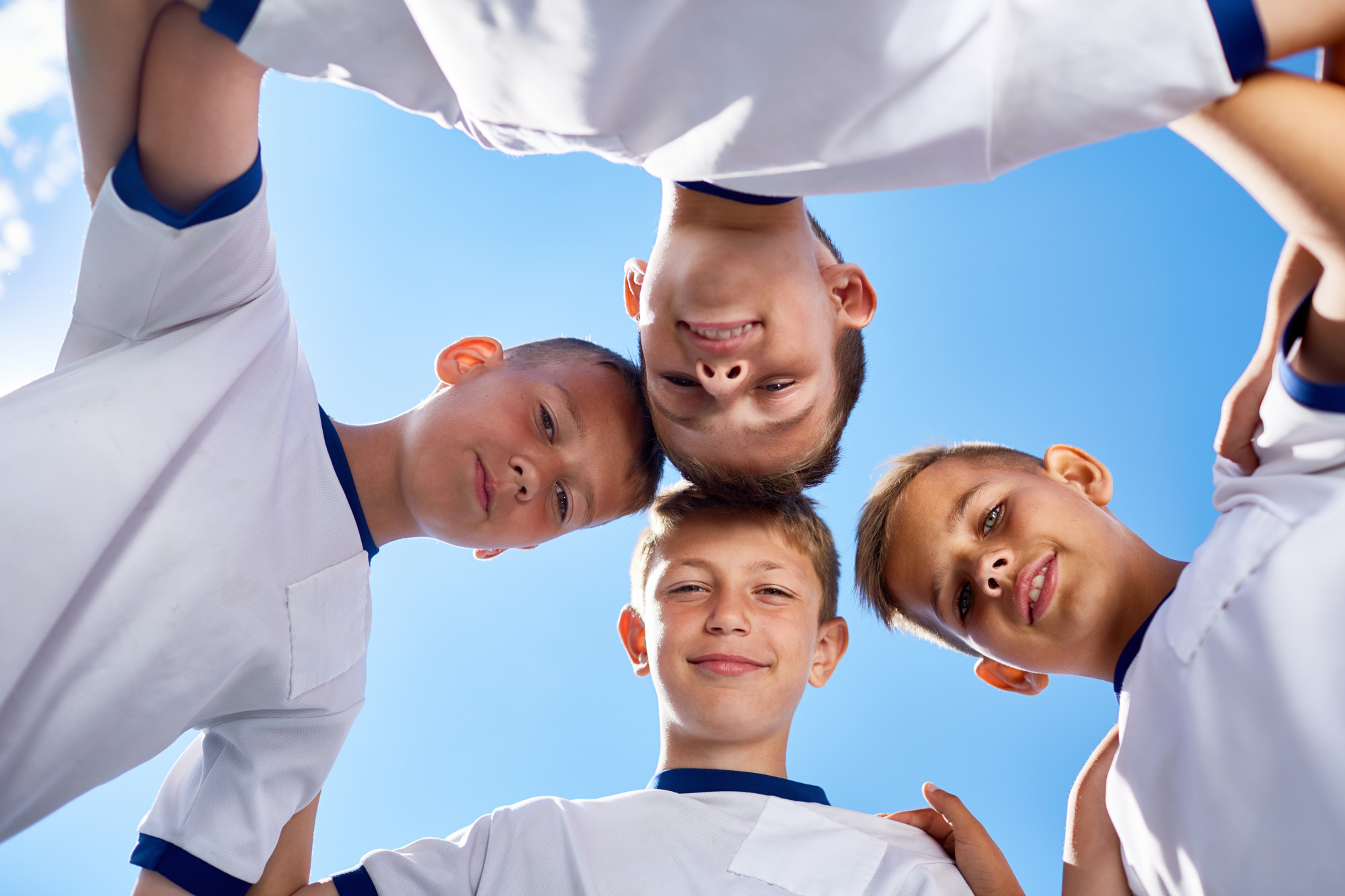
The scoreboard can be exciting. Children love to know who scored, who won, and whether their team managed one last goal before the whistle. But in children’s sport, the scoreboard is only a tiny part of the story. The most important lessons often happen away from the final result: in the pass made to a teammate, the encouragement after a missed shot, the laughter during warm-up, and the moment a child realises that playing together can feel even better than winning alone.
For young children, sport is one of the first places where teamwork becomes real. They may hear adults talk about sharing, helping, listening, and being kind, but football and tennis allow them to practise those ideas with their bodies, voices, and emotions. In a lively Childrens football club, teamwork is not an abstract lesson. It is a child looking up and deciding to pass. It is waiting for a turn. It is learning that the game works better when everyone feels included.
Football is especially powerful because it naturally pulls children into a shared experience. A ball rolls across the pitch and suddenly everyone has a role. One child chases, another supports, another waits near the goal, and someone else cheers from the side. In the beginning, children may all rush toward the ball at once, full of excitement and energy. Over time, through patient Childrens football training, they begin to understand that football is not just about “me and the ball.” It is about space, teammates, trust, and cooperation.
This is a huge step in a child’s development. Passing the ball may look simple, but emotionally it asks a child to let go. It asks them to trust another player. It asks them to notice someone else’s position and make a choice that helps the group. For a young child, that is not always easy. The ball is exciting, and keeping it can feel natural. But the first time they pass and see a teammate smile or score, they begin to understand the joy of shared success.
Friendship often grows from these small sporting moments. Children do not always become friends by sitting down and having long conversations. Sometimes they become friends by running in the same direction, laughing at the same silly warm-up game, or celebrating the same goal. Sport gives children a reason to connect. It creates shared memories, and shared memories are the beginning of many childhood friendships.
At local Football clubs, children often meet others outside their usual school or family circle. This can be especially valuable. A child might arrive knowing nobody and leave remembering the name of someone who passed them the ball. Week by week, familiar faces become teammates. Teammates become friends. A shy child may start by standing quietly near the group, then gradually join a game, then one day call out for a pass without even realising how far they have come.
The social learning in sport can be wonderfully natural. Children learn how to introduce themselves, how to join in, how to handle disagreement, and how to repair little conflicts. They may argue about whose turn it is or whether the ball crossed a line. With guidance, these moments become chances to practise fairness and communication. They learn that games have rules, but friendships also need respect.
A good coach plays an important role here. In thoughtful Football training, the coach does more than explain drills. They notice who is being left out, who needs encouragement, who is dominating the ball, and who needs help finding their voice. They can shape games so every child gets a chance to participate. They can praise a clever pass just as much as a goal. They can remind children that helping a teammate is part of playing well.
This matters because children often copy what adults celebrate. If adults only cheer goals, children may believe scoring is the only thing that matters. But if adults also celebrate kindness, effort, listening, bravery, and teamwork, children begin to value those qualities too. A child who hears, “That was a great pass,” or “I loved how you helped your teammate,” learns that being a good player is about more than winning.
Fun is not separate from learning. For children, fun is often the doorway into learning. When a football session feels playful, children relax. They try new things, take small risks, and recover from mistakes more easily. A game involving pirates, superheroes, animals, or colourful cones may look silly from the outside, but it can teach balance, coordination, listening, teamwork, and confidence. Children learn best when they are engaged, and play keeps them engaged.
The same is true in tennis. A Tennis session can teach focus, patience, and coordination, but it becomes most powerful when it feels enjoyable. Children might try to hit targets, rally with soft balls, or play imaginative games that turn the court into a challenge. The fun keeps frustration low and curiosity high. When a child misses the ball and laughs instead of giving up, learning continues.
Tennis may seem more individual than football, but it also teaches friendship and cooperation. Children practise taking turns, collecting balls together, encouraging a partner, and respecting the space of others. In paired activities, they learn to adjust to someone else’s rhythm. In doubles games, they discover that communication matters. Even in a Private tennis session, where the focus is more individual, a child builds a relationship with the coach based on trust, encouragement, and shared effort.
One of the most valuable lessons children learn beyond the scoreboard is how to handle mistakes. In sport, mistakes happen constantly. A pass goes the wrong way. A shot misses. A racket swings too early. A child forgets the rules. These moments can feel big to children, especially if they are still learning how to manage disappointment. But in a supportive environment, mistakes become ordinary. They become part of the game.
Football is brilliant for teaching this because the game keeps moving. A child who misses a kick often gets another chance moments later. There is not much time to stay upset. The ball rolls on, teammates move, and the child is invited back into play. This rhythm teaches resilience. It helps children understand that one mistake does not define the whole session.
Tennis teaches resilience in a slightly different way. Because the same skill may be repeated many times, children learn to notice small improvements. They may miss several shots before making contact. They may struggle with timing before finally sending the ball over the net. When they succeed, the feeling is powerful because they know they kept trying. That kind of persistence can build deep confidence.
Children also learn that emotions are part of sport. Excitement, frustration, pride, disappointment, nervousness, and joy can all appear in one session. These emotions are not bad; they are part of caring. The important lesson is learning what to do with them. A child can feel frustrated without shouting at a teammate. They can feel proud without making others feel small. They can feel disappointed and still shake hands, smile, or try again.
This emotional learning is often more important than the score. A child who learns to stay kind after losing has gained something valuable. A child who learns to celebrate a friend’s success has grown socially. A child who learns to keep playing after a mistake has strengthened their confidence. These are lessons that can help at school, at home, and in friendships.
Team sports also teach children about different roles. Not every child will be the fastest runner or the strongest kicker. Some may be great at listening. Some may be thoughtful passers. Some may be natural encouragers. Some may enjoy defending more than scoring. In a healthy Childrens football club, children learn that every role matters. The game needs different strengths.
This can be freeing for children. It shows them that they do not have to copy someone else to be valuable. A quieter child may discover that they are good at reading the game. An energetic child may learn to use their speed to help the team. A child who is not confident with the ball may become excellent at supporting others. Sport gives children many ways to belong.
Friendship in sport is also built through shared effort. Children remember the teammate who helped them up, the friend who cheered their first goal, or the partner who kept practising with them. These moments may seem small to adults, but they can mean a lot to children. They create trust. They show children what support feels like.
In Childrens football training, coaches often use games that require cooperation. For example, a team may need to complete a number of passes before scoring, or children may work together to move balls from one area to another. These activities teach children that success can depend on communication. They cannot complete the challenge alone. They must look, listen, talk, and work together.
This is where sport becomes a living classroom. Children learn practical social skills while moving and playing. They learn to say “your turn,” “well done,” “over here,” or “try again.” They learn to read facial expressions and body language. They learn when someone needs encouragement. They learn that the way they treat others affects the mood of the group.
Fun also helps children build a positive relationship with physical activity. When sport is enjoyable, children are more likely to return. They begin to associate movement with happiness, friends, and achievement. This matters because childhood experiences can shape attitudes toward activity for years. A child who feels embarrassed or pressured may avoid sport. A child who feels included and joyful is more likely to stay curious and active.
This is why the atmosphere of Football clubs is so important. Children should not feel that every session is an exam. They should feel that training is a place to learn, play, and grow. Clear rules and structure are important, but pressure should not steal the joy. Children need room to laugh, explore, and be beginners.
The scoreboard can sometimes hide progress. A team may lose a small match, but a child may have made their first successful pass. Another child may have joined in after weeks of hesitation. Someone may have remembered to encourage a teammate instead of getting upset. These moments do not always appear in the final score, but they are real victories.
Parents and carers can help by noticing these hidden wins. Instead of only asking, “Did you win?” they might ask, “What was your favourite part?” or “Did you help anyone today?” or “What did you try that was new?” These questions show children that sport is about experience, not just outcome. They encourage children to reflect on effort, kindness, and learning.
In tennis, hidden wins might look like staying focused for longer, waiting patiently, improving a swing, or showing good sportsmanship after a missed shot. In a Private tennis session, progress may be very personal. The child may become more confident asking questions, more willing to repeat a skill, or calmer when something feels difficult. These changes may not be dramatic, but they are meaningful.
Another lesson children learn beyond the scoreboard is respect. They learn to respect coaches by listening. They learn to respect teammates by sharing the ball. They learn to respect opponents by playing fairly. They learn to respect themselves by trying even when something is hard. Respect is not taught only through speeches; it is practised through routines, rules, and relationships.
Simple rituals help. Lining up, shaking hands, saying thank you, collecting equipment, and cheering others all create a culture of respect. Children may not understand the full meaning at first, but they learn through repetition. Over time, these actions become habits.
Teamwork also teaches children how to lead and how to follow. Sometimes they may have an idea, encourage others, or take responsibility in a game. Other times they may need to listen, support, and accept another child’s idea. Both skills matter. A good teammate is not always the loudest voice. Sometimes leadership looks like kindness, patience, or helping someone understand the rules.
Football gives many chances for this kind of growth. A child may organise a small group during a drill, remind a teammate where to stand, or encourage someone who feels nervous. These are early leadership moments. They show children that they can have a positive effect on others.
Friendship also teaches children inclusion. In every group, some children may be more confident than others. Some may understand the game quickly, while others need more time. Sport gives children the chance to include those who are still learning. A teammate can pass to someone who has not touched the ball yet. A child can invite another to join a pair. A group can celebrate effort, not just skill.
This kind of inclusion can shape how children behave outside sport too. When they practise noticing others on the pitch, they may become more aware of classmates in the playground or friends in other settings. The habits of teamwork can travel with them.
Fun remains the thread that holds all these lessons together. Without fun, teamwork can feel like a rule, friendship can feel forced, and training can feel like pressure. With fun, children become open to learning. They want to return. They want to try again. They want to be part of the group.
The laughter in a session is not a distraction from development. It is often a sign that children feel safe. When children feel safe, they are more willing to make mistakes, speak up, and attempt new challenges. A joyful environment can help a child grow more than a serious one that focuses only on results.
This does not mean children should never compete. Friendly competition can be exciting and useful. It teaches children to handle challenge, make decisions, and work under pressure. But competition should be balanced with encouragement and perspective. Winning can be celebrated, but it should not become the only measure of success.
In the best sporting environments, children learn that the scoreboard tells one story, but not the whole story. It may show goals or points, but it cannot show courage, kindness, patience, or friendship. It cannot show how much effort a child gave, how nervous they felt before joining in, or how proud they were after trying something new.
A child may leave a football session remembering the score, but they may also remember who made them laugh, who passed them the ball, or how it felt when the coach praised their effort. Those memories matter. They shape whether children see sport as a place where they belong.
Teamwork, friendship, and fun are not extras in children’s sport. They are the heart of it. Through Football training, children learn to cooperate, communicate, and care about the group. Through tennis, they learn patience, respect, and personal confidence. Through play, they discover that sport is not only about beating another team or winning a point. It is about becoming braver, kinder, more connected, and more willing to try again.