
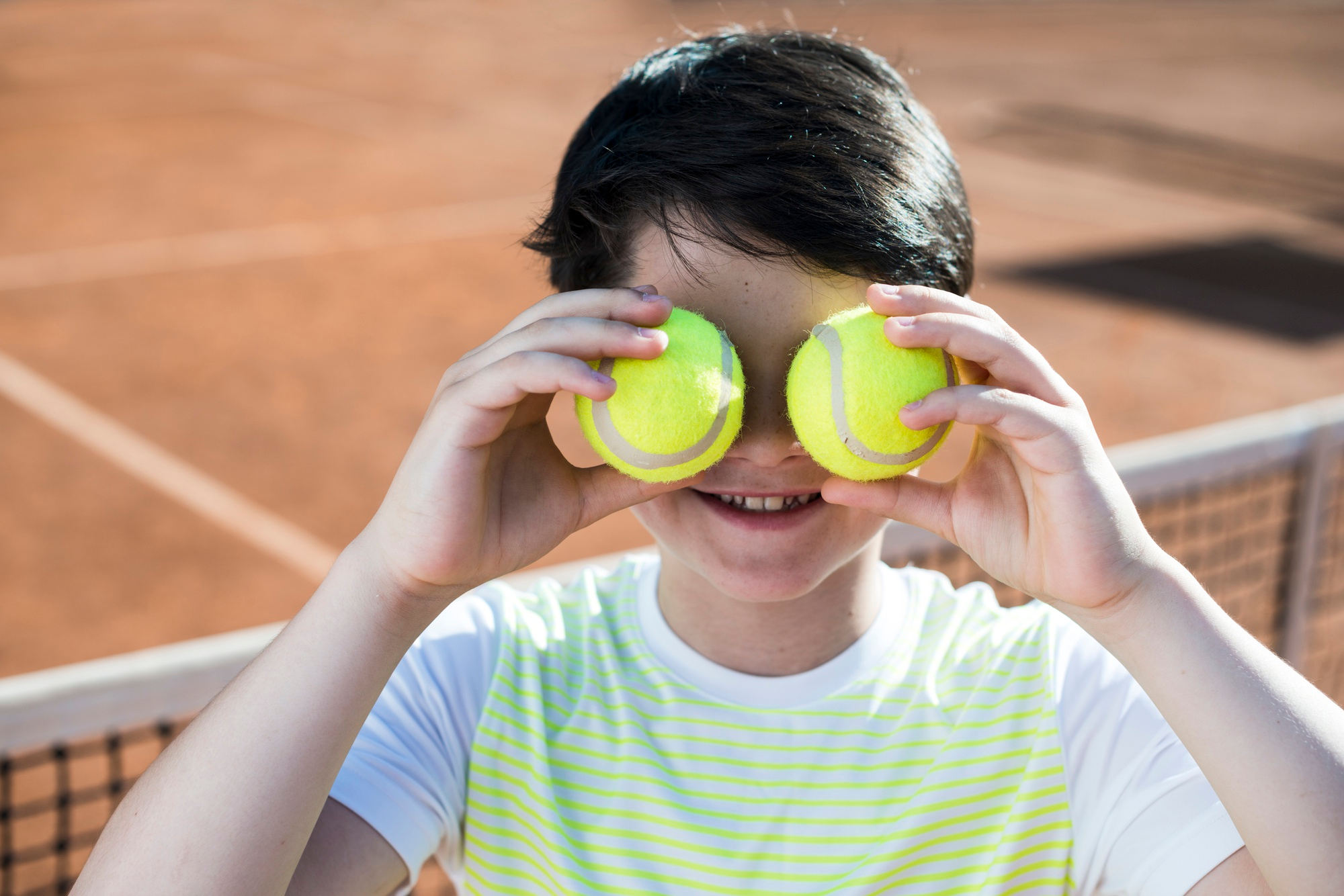
Every child learns differently. Some children jump into a new activity with bold energy, ready to swing, run, laugh, and try again without worrying about mistakes. Others prefer to observe first. They watch the coach, study the ball, look at the other children, and quietly decide whether they feel safe enough to join in. In sport, these differences matter. A child’s confidence, attention, coordination, and personality can all shape how they learn. This is why a Private tennis session can sometimes be such a valuable part of a child’s sporting journey.
Tennis is a wonderfully rich sport for young children because it combines movement, focus, rhythm, coordination, patience, and decision-making. It asks children to watch the ball, move their feet, prepare their body, swing the racket, and recover for the next shot. That may sound simple to an adult, but for a child, it is a lot to organise at once. A group Tennis session can be exciting and social, but some children benefit from having a calmer space where the pace is shaped around them.
One of the clearest benefits of a private tennis lesson is individual attention. In a group setting, a coach has to divide time between several children. That can work beautifully for many young players, especially those who enjoy learning alongside friends. But in a private session, the coach can focus closely on one child’s movement, confidence, habits, and reactions. The child is not being compared with others. They are simply being guided from where they are now to the next small step.
This matters because progress in tennis is often built from tiny adjustments. A child may need help holding the racket more comfortably, turning their shoulders, watching the bounce, or standing in a better position. In a group, these details may be introduced generally. In a Private tennis session, the coach can notice exactly what the child needs. They can repeat an activity, slow it down, change the equipment, or turn the skill into a playful challenge that suits that child’s age and mood.
For children who are shy, private sessions can feel especially helpful. A busy group can sometimes feel overwhelming: too many voices, too much movement, too many chances to feel watched. A shy child may worry about missing the ball in front of others. They may hold back, even when they are interested. With one-to-one coaching, the emotional pressure can be lower. The child can make mistakes without feeling embarrassed, ask questions without competing for attention, and build confidence quietly.
Confidence in tennis often begins with contact. The first time a child successfully hits the ball, even softly, something changes. They realise that the racket is not just an awkward object in their hand; it is something they can control. In a private session, the coach can create many chances for this feeling to happen. They may use softer balls, shorter distances, lower nets, or simple target games. Each small success becomes a building block.
Children who struggle with coordination can also benefit from individual support. Tennis requires the eyes, hands, feet, and body to work together. Some children find this natural, while others need more time. A private coach can break the movement into smaller pieces. Instead of expecting a full rally straight away, the child might practise tracking the ball, catching it, tapping it upward, bouncing it down, or swinging without pressure. These steps allow progress to feel possible rather than frustrating.
Patience is another skill tennis teaches beautifully. Unlike some sports where children can run freely and stay involved even without much technique, tennis often requires timing. The child must wait for the ball, judge its path, and choose when to swing. Swinging too early or too late can lead to a miss. This can be challenging, especially for energetic children who want immediate results. A private session gives the coach room to help the child slow down, breathe, reset, and try again.
This does not mean private tennis should feel serious or strict. In fact, the best private sessions for children are often playful. A coach might create games with cones, colours, characters, targets, or imaginative missions. The child may be asked to “feed the dragon” by hitting balls into a target area, or to collect points by landing shots near colourful markers. Play keeps the learning light. It helps children practise repetition without feeling bored.
A Tennis session can also support children who need help with focus. Tennis naturally rewards attention because the ball is always changing. Children must look, prepare, and respond. In a one-to-one setting, distractions can be reduced. The coach can keep instructions short, use clear routines, and adapt activities when the child’s concentration begins to fade. Over time, the child may learn to stay engaged for longer periods.
For some children, private lessons are useful when they are returning after a break or joining tennis later than their peers. They may feel behind in a group and worry that others already know more. A private session can close that confidence gap. The coach can introduce the basics gently, giving the child enough repetition to feel ready before joining a group environment. This can make the transition into social tennis much smoother.
Private tennis can also support children who already enjoy the sport and want to improve specific skills. A child who loves rallying may want to work on control. Another may want help with serving, footwork, or accuracy. Older children may begin to understand their own goals more clearly. One-to-one coaching gives them space to explore those goals without the pace of the group moving on too quickly.
The personal relationship between coach and child is a major part of private learning. When a coach understands how a child responds to feedback, they can choose the right tone. Some children need energetic encouragement. Others need calm reassurance. Some like challenges; others need confidence before competition. A thoughtful coach notices these differences and adjusts. This relationship can help the child feel safe enough to try difficult things.
Mistakes are an important part of every Private tennis session. Balls will be missed. Shots will go sideways. Serves may not clear the net. But in a private setting, mistakes can be explored rather than ignored. A coach can say, “Let’s try that again with smaller steps,” or “Watch the bounce this time,” or “That was closer than the last one.” The child begins to understand that mistakes are information, not failure.
This lesson is one of the greatest gifts of tennis. Children learn that improvement is not magic. It comes from practice, adjustment, and persistence. They start to see the link between effort and progress. The shot that felt impossible last week becomes possible this week. The serve that once caused frustration becomes something they can attempt with more confidence. These small changes can shape how children approach challenges outside sport too.
Private tennis sessions can be especially effective when combined with group sports. For example, a child may attend a Childrens football club for teamwork, friendship, and energetic group play, while also taking private tennis lessons to develop focus, coordination, and individual confidence. The two experiences can support each other. Football builds quick movement, social confidence, and awareness of others. Tennis builds timing, patience, and controlled technique.
This balance can be wonderful for children because it gives them different ways to grow. In Childrens football training, a child learns how to move with a team, communicate, pass, and respond to a fast-changing game. In tennis, the same child may learn how to concentrate on their own movement, control their swing, and stay calm after a missed shot. Together, these lessons create a wider foundation for physical and emotional development.
A child who enjoys Football training may find that tennis improves their footwork and balance. Tennis requires quick adjustments, small steps, and body control. These skills can help in football when changing direction, finding space, or reacting to the ball. In the same way, football can help a tennis player become more agile and confident moving around the court. Children do not experience sports in separate boxes; skills often transfer naturally.
Private tennis can also be useful for children who find group competition stressful. Some young players love the excitement of matches, while others become anxious when they feel watched or judged. A one-to-one setting can introduce challenge gradually. The coach can create small games where the child competes against their own previous score, a target, or a fun mission rather than another child. This builds resilience without unnecessary pressure.
For younger children, private tennis often focuses less on formal technique and more on movement, coordination, and enjoyment. The racket may be smaller, the balls softer, and the court area reduced. The coach may include catching, throwing, balancing, jumping, and simple reaction games. These activities prepare the body for tennis while keeping the session age-appropriate. A four-year-old does not need to play like a miniature adult. They need to enjoy moving and discovering what they can do.
For pre-teens, private tennis can become more detailed. They may start to understand grips, spin, positioning, serving rhythm, and shot selection. They may also become more aware of their strengths and weaknesses. This age can be sensitive because children may compare themselves with others. A private coach can help them focus on personal progress instead of comparison. The message becomes: “Let’s improve your game,” not “Let’s be like someone else.”
The pace of learning is one of the biggest advantages of private coaching. In a group, the session has to move forward for everyone. In private tennis, the coach can stay longer on a skill that needs more practice or move ahead when the child is ready. This flexibility helps prevent both boredom and frustration. The child is challenged, but not rushed.
Some children need repetition to feel secure. They enjoy knowing what comes next and may become more confident when a session follows a familiar pattern. A private coach can build routines: warm-up, coordination game, racket skill, target challenge, rally practice, fun ending. Over time, this structure helps the child settle. They know what to expect, which makes it easier to focus on learning.
Other children need variety. They may lose attention quickly if an activity feels too repetitive. A private coach can change the task while keeping the same learning goal. For example, if the aim is improving forehand control, one child might practise through targets, another through rally games, another through a story-based challenge. The skill stays the same, but the route changes.
Feedback is another area where private sessions can be powerful. Children need feedback they can understand. Long technical explanations usually do not help young players. Simple cues are better: “small steps,” “watch the ball,” “soft hands,” “turn first,” or “finish high.” In a private session, the coach can find the words that click for that child. Once the child understands the cue, progress often becomes smoother.
Encouragement should be specific. Instead of only saying “good job,” a coach might say, “You watched the ball really well that time,” or “Your feet were ready before the bounce.” Specific praise helps children know what they did right. It gives them something to repeat. This kind of feedback builds confidence because it connects success to action.
A private tennis lesson can also help children become more independent. At first, they may rely heavily on the coach for every instruction. Over time, they can learn to notice their own progress. They may begin to say, “I was too close to the ball,” or “I need to wait longer,” or “Can I try that again?” These moments show that the child is becoming an active learner.
Parents and carers often notice changes beyond the court. A child may become more patient when learning other skills. They may show more willingness to practise. They may become less upset by mistakes. These changes do not happen instantly, but sport can gently support them. Tennis gives children a repeated experience of trying, adjusting, and improving.
It is important for adults to keep expectations realistic. Private coaching does not mean a child should progress perfectly or quickly. Children still have tired days, distracted days, silly days, and days when they seem to forget something they learned before. This is normal. Progress in childhood is rarely a straight line. The value of private tennis is that the coach can respond to those ups and downs with flexibility.
A private session should never remove the joy of sport. If tennis becomes only about correction, children may lose interest. The best learning happens when children feel encouraged and engaged. They should leave the court feeling that they have worked, played, and achieved something. Even when the session includes technical practice, there should be room for laughter and imagination.
Private tennis can also prepare children for group play. Once they feel more confident with basic skills, they may be more willing to join a group Tennis session or friendly match. They may feel less nervous because they understand how to hold the racket, move to the ball, or attempt a rally. The private environment can act as a bridge, helping them step into a wider sporting community.
The same idea appears in local Football clubs, where some children need time before they fully join group games. A supportive coach understands that confidence grows at different speeds. Whether the sport is football or tennis, children benefit when adults respect their pace. Some children sprint into learning. Others walk carefully. Both can make meaningful progress.
Private tennis sessions are not only for children who are struggling. They are also for children who are curious, motivated, or simply enjoy the individual attention. A child may love the feeling of improving a shot, beating a personal target, or having a coach design challenges just for them. This can create a deep sense of ownership over their learning.
Sport gives children many kinds of confidence. Football may help them feel brave in a team. Tennis may help them feel capable as individuals. A Private tennis session can give a child space to slow down, focus, and discover progress in a personal way. The court becomes a place where they can miss, laugh, adjust, and try again without rushing.
When children are allowed to progress at their own pace, they often surprise themselves. The child who once missed every ball begins to make contact. The child who felt nervous begins to ask for another turn. The child who rushed every swing learns to wait. The child who doubted themselves starts to believe that practice works. In those moments, tennis becomes more than a sport. It becomes a gentle lesson in patience, confidence, and growth.