
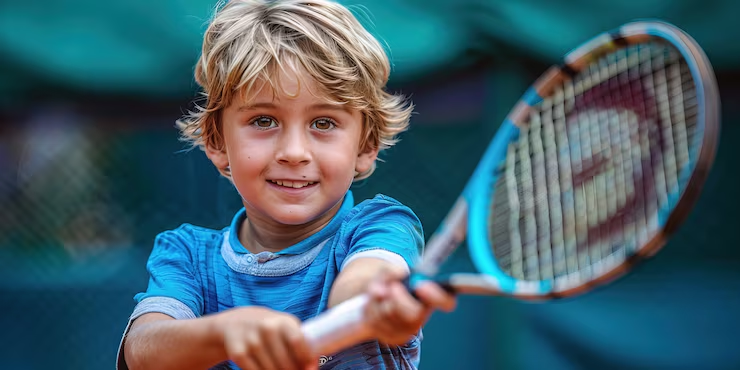
In today’s fast-paced, tech-filled world, encouraging healthy habits in children can feel like an uphill battle. With screens vying for attention and sedentary routines becoming the norm, the challenge for parents isn’t just getting kids moving—it’s helping them stay active for life. One of the most effective solutions? Early involvement in sports.
Introducing children to structured physical activity through programs like a childrens football club or a weekly tennis session does more than just get them running around. It plants the seeds of health, discipline, and joy in movement—habits that, once established early, can flourish throughout a lifetime.
Why Early Matters
The early years of a child’s life are a golden window for habit formation. Their brains are highly adaptable, their routines are still forming, and their perceptions about themselves and the world are being shaped daily. It’s during this period that children decide—often unconsciously—whether they see physical activity as a regular part of life or an occasional chore.
When a child joins childrens football training at age four or begins attending tennis sessions from a young age, they start to internalize movement as normal, enjoyable, and valuable. They don’t need to be told that exercise is important—it simply becomes part of who they are.
Movement as Play, Not Pressure
A key factor in establishing healthy habits is making them fun. When physical activity is associated with joy, friendship, and personal growth, children are far more likely to continue pursuing it.
In a well-run football club, training sessions aren’t just about technique—they’re filled with games, challenges, laughter, and teamwork. The structure is disguised in fun, and that’s what keeps kids coming back. They’re not exercising—they’re playing.
The same goes for a well-designed tennis session. Coaches know how to incorporate creative drills, mini-games, and playful competition to keep kids engaged. Especially in a private tennis session, where coaches can tailor activities to each child’s interests, the emphasis is on cultivating a love for the game—not just performance.
This positive association with movement becomes crucial as children grow. If they learn early on that being active is rewarding and enjoyable, they’re more likely to maintain those habits through adolescence and into adulthood.
Developing Routine and Responsibility
Consistent sports participation teaches children more than physical skills—it instills the value of routine. Attending regular football training or showing up on time for a tennis session builds time management, responsibility, and commitment.
Children begin to understand that being part of a childrens football club means preparing their kit, arriving early, listening to instructions, and giving their best effort. These responsibilities, though small, lay the groundwork for lifelong discipline.
Eventually, the routine of being active becomes as normal as brushing teeth or doing homework. This ingrained consistency makes it easier to continue staying active later in life, even when external motivation fades.
Building a Positive Body Image
Early sports involvement also plays a critical role in how children view their bodies. In a world where body image issues start alarmingly young, sports offer an antidote—a space where the body is appreciated for what it can do, not just how it looks.
In childrens football training, children learn to celebrate their speed, agility, and endurance. They experience firsthand how practice leads to progress, and how their bodies become stronger, faster, and more coordinated over time.
Tennis offers similar empowerment. A child who learns to serve, return, and rally in a tennis session begins to view their body as capable and skilled. In a private tennis session, this message is reinforced with personal encouragement and achievable goals, helping build confidence and a sense of mastery.
These positive associations help protect against future self-esteem issues and encourage a mindset where health, not appearance, becomes the focus of physical activity.
Family Engagement and Role Modeling
Children are highly influenced by their environment—and that includes the habits and attitudes of the adults around them. When a child sees that physical activity is a priority for their family, it becomes normalized.
By enrolling children in football clubs or tennis sessions, parents are sending a clear message: movement matters. And when families make it a point to attend matches, practice in the garden, or simply talk about the fun of training, they reinforce that message even further.
This shared involvement often becomes a springboard for broader healthy habits: balanced meals, limited screen time, regular sleep routines, and open communication about emotions and stress—all of which are supported by consistent physical activity.
Mental Health Benefits That Support Well-Being
Lifelong health isn’t just about physical fitness—it also includes mental and emotional resilience. Sports are an excellent tool for developing coping mechanisms, emotional regulation, and stress relief.
Children who participate in football training learn to manage adrenaline, recover from setbacks, and channel energy into focus. They’re encouraged to express emotion in healthy ways—celebrating wins, bouncing back from losses, and supporting teammates.
In tennis, especially during a private tennis session, children learn how to stay calm under pressure, manage frustration, and practice self-reflection. These emotional skills are just as valuable as physical ones and help form the foundation of long-term mental health.
By integrating sports into their early years, children are better equipped to deal with life’s ups and downs—with movement often becoming a natural coping strategy well into adulthood.
Avoiding Burnout and Encouraging Variety
One common concern for parents is burnout—will starting sports too early lead to boredom or resistance later on? The key to avoiding this is variety and balance.
Just like in school, children benefit from diverse experiences. A child who plays both football and tennis gains different skills, perspectives, and types of enjoyment. Football clubs offer the thrill of team play, while a tennis session emphasizes precision and individual challenge.
Mixing sports also reduces overuse injuries, balances different muscle groups, and helps children avoid early specialization, which can limit long-term engagement. Some children might thrive in a team environment like a childrens football club, while others find confidence in the solo focus of a private tennis session. Having options keeps the spark alive.
Encouraging Autonomy and Self-Motivation
As children grow, the role of parents and coaches should gradually shift from instruction to encouragement. The goal is to help kids take ownership of their activity—not just participate because someone else told them to.
This sense of autonomy starts early. A child who is asked, “Do you want to play today?” or “What would you like to work on in your tennis session?” learns to identify their interests and goals. In a private tennis session, this individualized approach can be even more effective.
In football training, coaches can give players leadership roles—like leading warm-ups, choosing drills, or captaining mini-teams—to foster independence. These moments teach children to reflect on their efforts, set personal benchmarks, and stay motivated from within.
Autonomous motivation is one of the strongest predictors of lifelong exercise habits. If children learn to enjoy movement for its own sake, rather than for external rewards, they’re more likely to continue being active well into adulthood.
Creating a Sense of Identity
Finally, early sports involvement can help children form a strong, healthy identity. When a child says, “I’m a footballer” or “I play tennis,” they’re internalizing movement as part of who they are—not just something they do occasionally.
Being part of a childrens football club gives them a team to belong to, a jersey to wear, and a role to play. They feel needed, valued, and part of something bigger. This identity becomes a source of pride, motivation, and belonging.
Similarly, a child who consistently attends a tennis session or private tennis session may begin to see themselves as a focused, skilled, and capable individual. This identity is empowering—and often stays with them even during times when life pulls them away from the court or pitch.