
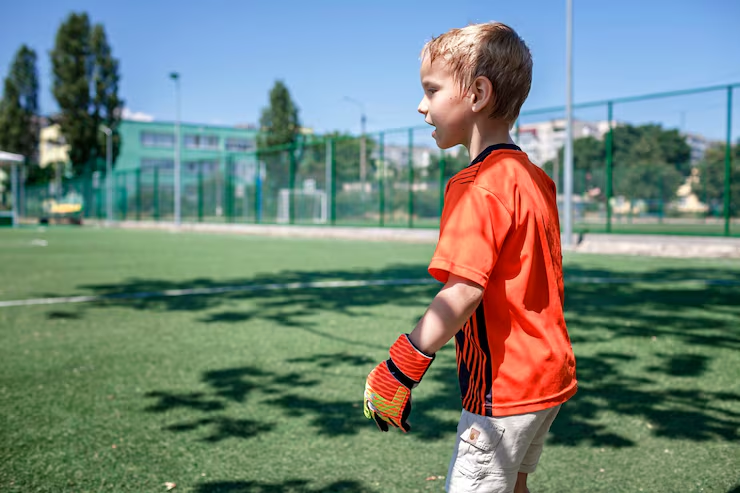
For parents new to youth sports, enrolling a child in a childrens football club can be both exciting and daunting. You want your child to learn, grow, make friends, and—above all—have fun. But how do football clubs actually operate? What kind of training is appropriate for each age group? And how can parents best support their child’s journey?
This guide offers an inside look at what to expect when your child joins a football club, particularly one focused on learning and development, like those run by Children Sports League.
1. The Philosophy Behind Childrens Football Training
A quality childrens football club is about more than just kicking a ball. These clubs are designed to develop not only football skills but also key life skills. At the heart of any good programme is a commitment to:
- Encouraging enjoyment over competition
- Promoting teamwork, respect, and fair play
- Supporting individual development regardless of ability
- Teaching through play and structured learning
Children Sports League, for example, focuses on improving motor and social skills through age-appropriate football training, using structured drills mixed with fun games. The coaches aim to create a positive environment where each child feels safe and confident to try, fail, and try again.
2. The Structure of a Football Club Session
Each childrens football training session typically follows a predictable structure. This helps children feel secure, understand what to expect, and focus on learning. While exact activities vary by age group, a typical session may include:
a) Warm-Up Games
These involve running, jumping, and playful movement to get children engaged. Often, they’re disguised as fun activities—like “sharks and minnows” or tag with a ball—to keep younger players entertained.
b) Skill Development
Children are introduced to core football techniques: dribbling, passing, shooting, and defending. These are broken down into simple drills that are easy to follow and enjoyable. For instance, young children might work on “dribble and stop” games, while older ones may practice passing under pressure.
c) Small-Sided Games
These are mini football matches (like 3v3 or 4v4) that give children the chance to use their new skills in game-like situations. Coaches encourage teamwork, decision-making, and fair play during these games, emphasizing effort over scoring.
d) Cool-Down and Reflection
Sessions often end with a short cool-down activity and time for positive feedback. Coaches highlight improvements, effort, and teamwork, creating a reinforcing loop of learning and motivation.
3. Age-Appropriate Expectations
One of the most important things for parents to understand is that football clubs design sessions differently depending on the child’s age and development level. What’s expected of a 4-year-old is very different from what’s expected of a 10-year-old.
Toddlers (Ages 2–4)
- Focus on movement, balance, and basic ball familiarity
- Sessions are short and full of fun, with lots of breaks
- The main goal is to enjoy being active and following simple instructions
Early Childhood (Ages 5–7)
- Introduction to basic football techniques
- Lots of fun games involving the ball
- Focus on participation, listening, and developing motor skills
- Light emphasis on team concepts like passing and space
Middle Childhood (Ages 8–10)
- More structured training drills with increasing complexity
- Development of tactical awareness and team roles
- Introduction to small team formations and strategies
- Growing importance of cooperation and communication
Pre-Teens (Ages 11–12)
- Focus on refining skills and deeper tactical understanding
- Competitive elements are gently introduced
- Emphasis on leadership, resilience, and respect
- Preparing children for school or local team participation
4. The Role of Coaches
In any football club, coaches are central to your child’s experience. All coaches at Children Sports League, for example, are DBS-checked and experienced in working with children.
Good coaches do more than teach football. They are motivators, mentors, and facilitators. You can expect them to:
- Encourage all children, not just the most skilled
- Set clear, realistic goals for each session
- Use age-appropriate language and demonstrations
- Provide positive reinforcement and constructive feedback
- Manage behaviour with kindness and consistency
- Communicate with parents when needed
5. What Parents Should—and Shouldn’t—Do
Your support as a parent is critical to your child’s enjoyment and development. But being the best “sideline supporter” takes balance. Here are some tips:
Do:
- Encourage your child regardless of performance
- Praise effort, teamwork, and improvement
- Help them arrive on time and dressed appropriately
- Check in about what they enjoyed after each session
- Trust the coach and the process—learning takes time
Don’t:
- Yell instructions during training or matches
- Criticize mistakes—football is about learning through trial
- Compare your child to others
- Focus only on winning or scoring goals
6. What to Bring to a Football Training Session
Being prepared helps your child feel comfortable and ready to learn. Most football clubs will provide equipment like cones, goals, and bibs, but children should bring:
- Comfortable sportswear (shorts, t-shirt, weather-appropriate layers)
- Trainers or football boots, depending on the surface
- A full water bottle
- Shin pads (especially for older age groups)
- A positive attitude!
Many clubs also recommend labeling items in case something gets left behind.
7. The Social and Emotional Benefits
While many parents focus on the physical side of football training, the emotional and social development that happens is equally valuable. Children learn:
- How to take turns, cooperate, and share success
- How to cope with winning and losing gracefully
- How to listen to instructions and manage emotions
- How to set and achieve personal goals
- How to build friendships and feel part of a group
In fact, some children who are shy or reluctant at first often blossom through regular participation in football clubs. The structure, routine, and supportive peer interactions help build both confidence and independence.
8. Moving Beyond Group Sessions
While group sessions are at the core of a football club experience, some children may benefit from additional support. That’s where options like private tennis sessions or small-group training come in.
Private sessions can be useful for children who:
- Need help catching up to peers
- Struggle with confidence in large groups
- Want to work on specific technical skills
- Learn better in a quieter setting
Tennis can complement football by building agility, coordination, and concentration in a slightly different sporting environment. Many parents choose to enroll their children in both football and tennis training for a balanced experience.
9. Safety, Inclusivity, and Child Wellbeing
A reputable children’s football club will always prioritise safety and inclusivity. This includes:
- Ensuring all coaches are background-checked
- Following safeguarding protocols
- Maintaining appropriate coach-to-child ratios
- Creating a welcoming environment for children of all abilities
- Using positive behaviour management strategies
- Adjusting sessions for children with special needs
You should feel comfortable reaching out to coaches or programme directors if you have concerns about your child’s experience or specific needs.
10. Long-Term Progression and What Comes Next
One of the joys of enrolling your child in a childrens football training programme is watching their progression over time. From the first uncoordinated kicks to thoughtful passes in a small game, children grow quickly with consistent practice.
Many football clubs, like Children Sports League, provide opportunities for progression:
- Moving through age-group levels
- Participating in friendly matches or festivals
- Taking on leadership roles (like team captain or helper)
- Trying other sports alongside football, like a tennis session
- Joining club birthday parties or social events to build community
By staying engaged and encouraging your child’s love of sport, you help lay the foundation for a healthy, active lifestyle—along with all the benefits sport offers, both on and off the pitch.