
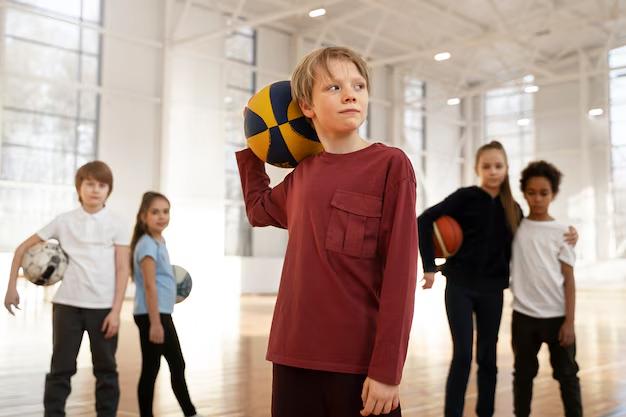
Sports are powerful tools for helping children develop essential life skills, and two of the most important traits they can foster are confidence and resilience. Through structured sports programs, like those offered at children’s football clubs or tennis training sessions, kids gain more than physical strength—they also learn how to believe in themselves and bounce back from challenges. Here’s how participating in sports, especially organized team activities, contributes to building these valuable traits in children.
Developing Confidence Through Achievement
One of the first ways sports build confidence is by allowing children to experience achievement. Football training, for instance, teaches kids new skills incrementally—from kicking to dribbling and understanding game strategy. As children master each new skill, they feel a sense of accomplishment. This growth not only increases their self-assurance on the field but also fosters a mindset that extends beyond sports. When they see how they can improve with effort, they become more likely to approach other challenges—whether in school or social situations—with a can-do attitude.
Additionally, sports provide regular opportunities for children to be celebrated for their efforts. Being cheered on by teammates, coaches, and family members reinforces their sense of self-worth and pride. This external validation from supportive adults and peers can be especially meaningful for children who might not yet fully recognize their own strengths.
Building Resilience by Facing Challenges
Sports teach resilience by helping kids understand that failure is part of the learning process. In football, for example, kids may experience missed goals or unsuccessful plays, while in tennis, they might miss a serve or lose a match. These experiences are challenging, but they present valuable lessons. When a coach helps a child see that each setback is an opportunity to improve, kids begin to approach difficulties with a growth mindset.
Children’s sports leagues, especially those with a strong focus on teaching rather than winning, provide safe spaces for kids to experience loss and disappointment in a constructive way. Coaches and mentors help them develop strategies to manage these moments, guiding them to reflect on what they could do differently. This teaches kids to handle frustration and disappointment, skills that will serve them in all aspects of life.
Teamwork: A Foundation for Resilience and Confidence
Team sports like football or doubles tennis introduce children to the concept of working toward a common goal. Being part of a team helps kids realize that everyone has unique strengths and roles, and that success often depends on collaboration. When a team wins, children celebrate together, which enhances individual confidence; when a team loses, they support each other, which helps them process disappointment. The group dynamic encourages kids to develop empathy and patience and shows them how to navigate interpersonal challenges.
Moreover, being part of a team teaches children about accountability. In sports, children quickly learn that each teammate’s performance contributes to the overall result. This understanding encourages them to do their best for themselves and for their peers. They learn to take ownership of their role, showing up consistently and putting in the effort needed. This accountability strengthens self-discipline and adds to their confidence by demonstrating the value of dedication and commitment.
Setting and Achieving Goals: Fuel for Confidence
One of the most effective ways to build confidence is through setting and achieving goals, and sports naturally encourage this process. In a football club, a coach might help a child set small, achievable goals, such as improving their dribbling technique or scoring a certain number of goals during a season. In tennis sessions, kids might work on mastering a specific swing or serve. When children see their progress toward these goals, it reinforces a sense of achievement and bolsters their self-confidence.
These goals also help children develop focus and patience, which are essential components of resilience. Sports teach kids that real improvement takes time and that results are often the product of repeated effort. When they achieve a goal, they not only feel proud of the accomplishment but also understand the dedication it took to get there, which prepares them to tackle future challenges with a similar mindset.
Handling Pressure: Building Inner Strength
In both individual and team sports, children face pressure situations. Whether it’s scoring the winning goal in a football game or holding serve during a tight tennis match, kids learn to manage their nerves and make decisions under pressure. These experiences teach them to keep calm, stay focused, and trust in their abilities—even when things get tough.
Learning to handle pressure in a supportive environment prepares children to face other high-stakes situations in life, such as exams, presentations, or even social challenges. The self-control they develop on the field can translate into a calm, composed approach to many aspects of life, allowing them to face situations with a greater sense of self-reliance and inner strength.
The Impact of Positive Role Models
Coaches and instructors play an instrumental role in fostering confidence and resilience in young athletes. They often act as mentors, offering constructive feedback, encouragement, and guidance that children may not receive elsewhere. In children’s football clubs, coaches help kids believe in themselves, showing them that they are capable of more than they might initially think. They also model resilience by sharing their own experiences of setbacks and perseverance, illustrating that even adults face challenges but keep working toward their goals.
For children, having a positive role model who believes in them can make a lasting impact on their self-confidence. The encouragement and support from a trusted adult figure help kids develop a more positive self-image, which becomes a foundation for the confidence they carry with them throughout life.
Building Lifelong Resilience and Confidence Through Sports
Perhaps one of the most valuable aspects of sports for children is that it instills a foundation for resilience and confidence that can last a lifetime. The lessons they learn on the field or court translate into countless other areas, giving them the tools to approach life’s challenges with determination and optimism.
By participating in sports, children are encouraged to believe in themselves, learn from their mistakes, and support one another—skills that will serve them well as they grow into resilient, confident adults.