
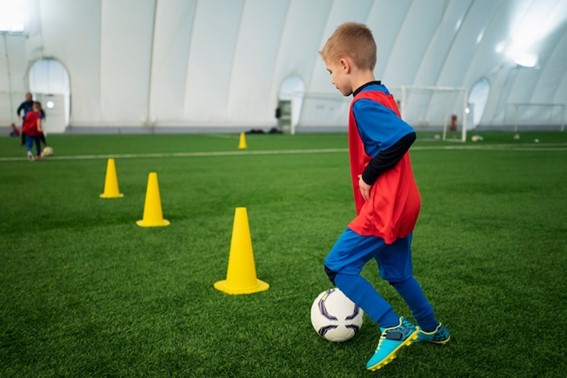
In today’s fast-paced world, the importance of physical activity for children cannot be overstated. Amidst this, football stands out as a sport that not only promotes physical health but also encourages teamwork, discipline, and a sense of community. The Children Sports League has been at the forefront of introducing children to the world of sports in an exciting, constructive, and educational environment. By designing games and activities under the guidance of physical education professionals, the league ensures that children not only enjoy themselves but also learn crucial life skills.
Understanding the Role of a Positive Environment in Football Training
A positive training environment is instrumental in shaping the experiences of young athletes. It serves as the foundation upon which children build their understanding of sportsmanship, teamwork, and personal development. In Football Training, this environment directly influences the children’s ability to socialize, develop locomotor skills, and cultivate a love for the game.
Creating a nurturing atmosphere in Football Training involves more than just teaching the rules of the game or running drills. It requires a holistic approach that caters to the physical, emotional, and social needs of the children. This approach helps in fostering a sense of belonging among the young players, encouraging them to express themselves freely and confidently both on and off the field.
Key Elements of a Positive Football Training Environment
The essence of creating a positive Football Training environment lies in the following key elements:
1. Safety First: Ensuring the physical safety of the children is paramount. This involves using age-appropriate equipment, maintaining a well-organized playing area, and emphasizing the importance of warm-ups and cool-downs to prevent injuries.
2. Encouragement and Support: Positive reinforcement goes a long way in boosting the children’s confidence and motivation. Coaches and trainers should focus on what the children are doing right and offer constructive feedback to help them improve, rather than focusing solely on mistakes.
3. Inclusive Practices: Football Training should be inclusive, offering equal opportunities for participation regardless of skill level, gender, or background. This inclusivity helps in promoting diversity and understanding among the children, enriching their social experience.
4. Focus on Fun and Learning: While competition is a natural aspect of sports, the primary focus for children should be on having fun and learning. Drills and activities should be designed to be engaging and educational, ensuring that children remain interested and absorbed in the process.
5. Teamwork and Social Skills: Football is a team sport, and as such, it provides an excellent opportunity to teach children about cooperation, communication, and working together towards a common goal. Team-building activities and group discussions can be integral parts of the training sessions.
6. Healthy Competition: Introducing children to competition in a healthy, balanced way can teach them valuable lessons about winning, losing, and resilience. It’s important to encourage a competitive spirit while also highlighting the importance of fair play and respect for opponents.
Implementing the Positive Training Principles in Children Sports League
The Children Sports League embodies these principles in its Football Training programs. By ensuring that all activities are designed by physical education professionals, the league guarantees that each aspect of the training is aligned with the developmental needs of the children.
The league’s coaches are trained to create a supportive and encouraging environment, where children feel valued and understood. They use a variety of drills and games that are not only fun but also cater to improving the children’s football skills and overall physical fitness.
Moreover, the Children Sports League places a strong emphasis on social development. Through Football Training, children learn to interact with their peers in a positive and respectful manner. This interaction extends beyond the playing field, helping children to become more sociable and empathetic individuals.
The Impact of Positive Football Training
The impact of a positive Football Training environment extends far beyond the immediate benefits of physical activity. It helps in instilling a sense of discipline, improving focus, and enhancing cognitive skills. Moreover, the social interactions and friendships formed during training can provide children with a sense of security and belonging, which is crucial for their emotional and psychological development.
In the long run, children who have been part of a positive Football Training program, such as those offered by the Children Sports League, are likely to carry the values and skills they have learned into other areas of their lives. This holistic development is what makes Football Training not just a sport, but a valuable life experience.
Creating a positive Football Training environment is essential for nurturing the physical, emotional, and social well-being of children. The Children Sports League stands as a testament to the effectiveness of such an environment, proving that when children are given the right support and opportunities, they can thrive both on and off the field.
As we move forward, let’s continue to prioritize the creation of such positive environments in all youth sports initiatives. By doing so, we are not just teaching children how to play a game; we are equipping them with the tools they need to lead healthy, balanced, and fulfilling lives.