
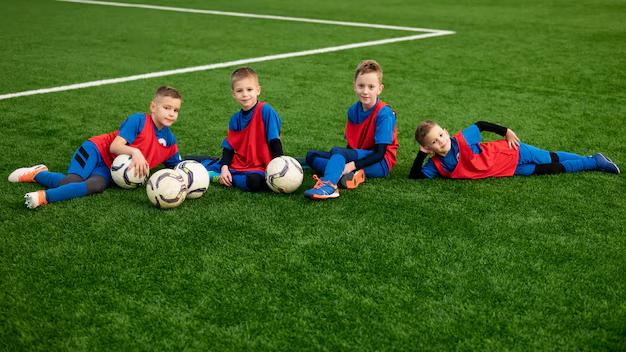
Children’s football training goes beyond developing athletic skills; it plays a significant role in building confidence and self-esteem. When kids participate in football training, they are not just learning how to kick a ball or score a goal—they are gaining valuable experiences that contribute to their personal growth and character development. Through structured activities and supportive environments, children’s football clubs offer an ideal setting for fostering confidence, resilience, and a sense of achievement.
Learning Through Practice and Progress
Football training provides children with an opportunity to set achievable goals and witness their own progress over time. Whether it’s improving their dribbling skills, mastering a new trick, or scoring their first goal in a game, each small achievement helps build a sense of accomplishment. As children practice regularly and notice their skills getting better, they gain confidence in their abilities. This positive reinforcement encourages them to take on new challenges both on and off the field.
Consistent practice in football clubs allows kids to see the results of their hard work, reinforcing the idea that effort leads to improvement. This mindset helps them approach other aspects of life with a similar attitude, understanding that perseverance and dedication can lead to success.
Overcoming Challenges and Building Resilience
Football training involves encountering various challenges, such as learning new techniques, competing with peers, or dealing with the disappointment of losing a match. These experiences teach children to handle setbacks constructively, developing resilience. When children fall during a game or miss a goal, they are encouraged to get back up and keep trying. Coaches in children’s football clubs often emphasize that mistakes are a part of the learning process, helping kids view them as opportunities for growth rather than failures.
Learning to deal with both victory and defeat on the football field helps children build emotional resilience. They come to understand that success doesn’t come easily, and it’s okay to face obstacles along the way. This ability to bounce back from challenges contributes to their overall self-esteem and prepares them for real-life situations that require problem-solving and perseverance.
Teamwork and Social Interaction
Participating in a children’s football club offers valuable social experiences. Football is a team sport, and training involves working closely with others to achieve a common goal. Through activities that require collaboration, such as passing drills or strategic plays, children learn to communicate effectively, trust their teammates, and contribute to the group’s efforts. The social bonds formed during training sessions and matches can lead to lasting friendships, further boosting a child’s confidence in social settings.
Moreover, being part of a team gives children a sense of belonging and identity. When they wear the same jersey as their peers, celebrate goals together, and encourage each other during tough moments, they feel connected to something larger than themselves. This sense of belonging can significantly enhance their self-esteem, making them feel valued and supported within the group.
Positive Role Models and Encouragement from Coaches
Coaches play a crucial role in children’s football training, serving as mentors and role models. A coach’s guidance and encouragement can have a profound impact on a child’s confidence. Coaches often provide constructive feedback, celebrate progress, and help kids set realistic goals. When children receive positive reinforcement from a trusted adult, they feel motivated to keep improving and take pride in their achievements.
A good coach not only focuses on the technical aspects of football but also emphasizes the importance of sportsmanship, effort, and attitude. By recognizing the value of these qualities, children learn that success is not only about winning but also about personal growth and fair play. This broader perspective helps them develop a more balanced sense of self-worth.
Developing Leadership Skills
Football training offers children the chance to take on leadership roles within the team. Whether it’s being the captain, organizing a play, or encouraging teammates during a game, these experiences help children develop leadership qualities. When kids are given responsibilities and see that their input is valued, they gain confidence in their ability to influence others positively.
Leadership experiences in football clubs allow children to practice decision-making, problem-solving, and conflict resolution. These skills not only benefit them on the field but also contribute to their overall development. By learning to lead in a supportive environment, they gain the confidence to take initiative in other areas of life.
Boosting Physical Health and Its Impact on Self-Esteem
Physical activity is closely linked to mental well-being. Regular football training helps children stay active, which in turn boosts their mood and energy levels. Engaging in physical activities releases endorphins, often referred to as “feel-good” hormones, which can help reduce anxiety and improve overall happiness. When children feel good about their physical health, they are more likely to have a positive self-image and higher self-esteem.
Football training also helps kids develop a healthy body image. As they become more skilled and fit, they gain a sense of pride in their physical abilities. This can be particularly important during childhood and adolescence, a time when self-esteem can be significantly influenced by body image.
Encouraging Self-Expression and Creativity
Football training is not just about following instructions—it’s also about allowing children to express themselves on the field. Whether it’s through a creative dribble, an unexpected pass, or a daring shot at goal, football offers kids the chance to showcase their individuality. When children feel free to be creative and try new things without fear of judgment, they gain confidence in their unique abilities and perspectives.
Coaches can encourage this by allowing time for free play or incorporating exercises that let children explore different techniques. This kind of environment, where creativity is encouraged, fosters a sense of self-worth and helps kids understand that there are multiple ways to approach challenges.
The Role of Football Clubs in Creating a Safe and Supportive Environment
Children’s football clubs are designed to provide a safe and supportive environment where kids can learn and grow. These clubs prioritize not only skill development but also the emotional well-being of their participants. By creating a culture of respect, encouragement, and inclusivity, football clubs ensure that every child feels valued.
In a positive training atmosphere, children are more likely to take risks, try new skills, and push themselves to improve without fear of criticism. This safe space for growth plays a vital role in building their confidence, as they know they are supported by both coaches and peers.
Conclusion
Children’s football training is a powerful tool for fostering confidence and self-esteem. Through practice, social interaction, overcoming challenges, and receiving encouragement, kids gain not only athletic skills but also valuable life experiences that shape their character. The impact of football training extends far beyond the field, equipping children with the self-assurance and resilience they need to thrive in various aspects of life.
Read More About: The Importance of Emotional Support for Young Athletes