
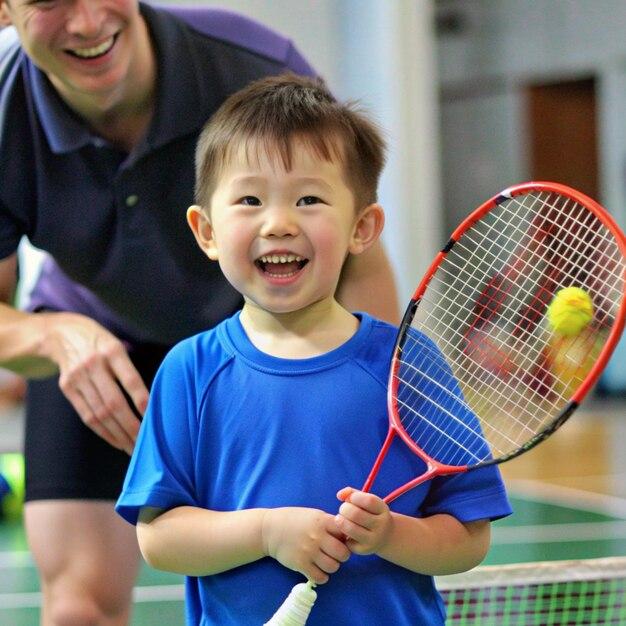
Private tennis sessions offer an excellent opportunity for children to not only learn the sport but also cultivate essential life skills such as focus and discipline. Unlike group lessons, private sessions provide a more personalized approach to training, allowing coaches to tailor their methods to meet the specific needs of each child. This one-on-one attention creates an environment where kids can develop concentration, self-control, and perseverance—qualities that are beneficial both on the court and in everyday life. Here’s how private tennis sessions can help shape these crucial skills in young players.
Personalized Attention and Customized Learning
One of the main advantages of private tennis sessions is the personalized attention that children receive from the coach. In a one-on-one setting, coaches can tailor drills, techniques, and pacing to match the child’s learning style and skill level. This customized approach ensures that young players can focus on mastering the fundamentals at their own pace, without the pressure of keeping up with others in a group setting.
When a coach is able to identify specific areas that need improvement, they can design exercises to address those weaknesses while reinforcing strengths. This targeted approach allows for a more efficient learning process, helping children stay focused and motivated. As kids see their progress, they become more engaged, building the concentration needed to keep improving.
Developing Focus Through Repetition and Practice
Focus is a key skill in tennis, as the sport demands continuous attention to the ball, the opponent, and the player’s own positioning. Private tennis sessions allow for a greater emphasis on repetitive drills, which help children develop concentration. By practicing specific techniques over and over, such as a consistent forehand swing or serving motion, kids learn to block out distractions and stay locked in on the task at hand.
Repetition helps build muscle memory, enabling young players to perform skills more automatically. This frees up mental space for strategic thinking, allowing them to anticipate their opponent’s moves or adjust their approach mid-game. As children experience the benefits of focused practice, they start to understand the importance of concentration not just in sports, but in other areas like academics or hobbies.
Enhancing Discipline Through Goal Setting
Private tennis sessions offer a structured environment where children can learn the value of setting and achieving goals. Coaches can work closely with kids to establish realistic, attainable objectives—such as improving serve accuracy or mastering a backhand slice. By breaking down larger goals into smaller, manageable tasks, children learn to approach challenges in a disciplined and systematic manner.
Regularly tracking progress towards these goals reinforces the importance of commitment and hard work. When children experience the satisfaction of achieving milestones, it boosts their motivation and self-discipline. They start to see that disciplined effort leads to improvement, encouraging them to apply the same mindset in other pursuits, like schoolwork or learning a musical instrument.
Building Patience and Resilience
Tennis is a sport that requires patience and resilience, as improvement often comes gradually. Private sessions provide a safe space for children to make mistakes and learn from them without feeling overwhelmed by the presence of peers. This setting allows them to develop patience as they work on refining their skills, understanding that progress may take time.
When kids encounter setbacks—such as struggling to master a difficult stroke or losing a point—they learn to recover quickly and maintain focus on the next play. Coaches can use these moments as teaching opportunities, encouraging children to persevere through difficulties and stay committed to their practice routine. This approach helps cultivate resilience, a valuable trait that can help children cope with challenges in various aspects of their lives.
Fostering Self-Motivation and Accountability
Private tennis sessions encourage children to take ownership of their learning journey. With individualized coaching, there is a greater emphasis on personal responsibility, as the progress made is directly related to the effort put in by the child. When kids see that their hard work results in noticeable improvement, it reinforces the idea that they have the power to shape their own success.
Coaches can also help young players set personal performance benchmarks, fostering a sense of accountability. For instance, a child might be tasked with practicing a certain number of serves each day or working on footwork drills outside of the sessions. This practice cultivates self-motivation, as children understand that their improvement depends on their commitment to putting in consistent effort, even when not under the coach’s supervision.
Improving Mental Toughness Through Competitive Play
In addition to skill development, private tennis sessions can help enhance a child’s mental toughness. Coaches can simulate match scenarios during training to teach young players how to stay composed under pressure. By practicing strategies for dealing with challenging situations, such as being behind in a game or facing a strong opponent, children learn to maintain their focus and discipline when it matters most.
The mental aspects of tennis, such as staying calm after making an error or concentrating during long rallies, are often overlooked in group sessions where the focus may be on general skill development. Private sessions allow coaches to emphasize these mental skills, helping kids develop the psychological fortitude needed to succeed in competitive settings. This mental resilience can be a significant asset in other high-pressure situations, such as exams or public speaking.
Encouraging a Growth Mindset
A growth mindset—the belief that abilities can be developed through effort and learning—is essential for children to reach their full potential. Private tennis sessions can foster this mindset by focusing on the process of improvement rather than just the outcome. Coaches can encourage children to view challenges as opportunities for growth, teaching them that mistakes are a natural part of learning.
This emphasis on continuous improvement helps children understand that talent is not fixed and that their abilities can grow with practice and dedication. As they see the benefits of adopting a growth mindset in tennis, they are likely to apply this approach to other areas of life, becoming more open to learning and willing to tackle new challenges.
Individualized Feedback for Faster Improvement
One of the key benefits of private tennis sessions is the ability to receive immediate and personalized feedback. In group settings, coaches may not always have the time to provide detailed advice to each player. In contrast, private sessions allow for real-time feedback on technique, strategy, and mental approach, which helps children make adjustments more quickly.
This individualized feedback accelerates the learning process, allowing young players to correct mistakes as they happen and reinforce positive habits. As children recognize the value of constructive criticism in improving their performance, they become more receptive to feedback, fostering a disciplined approach to self-improvement.
Creating a Safe Space for Experimentation
In a private setting, children may feel more comfortable trying new techniques or experimenting with different playing styles. Without the fear of judgment from peers, they can take risks and explore their strengths and weaknesses. This freedom to experiment helps build confidence and encourages a deeper understanding of the game.
Coaches can guide young players in finding what works best for them, helping to develop a more individualized playing style. This personalized approach allows children to express themselves on the court, enhancing their enjoyment of the sport while also building focus and discipline through self-discovery.
Conclusion
Private tennis sessions offer a unique environment for children to develop focus, discipline, and other essential life skills. Through personalized coaching, goal setting, repetition, and mental training, young players gain the tools needed to succeed both in sports and beyond. The benefits extend far beyond the court, equipping children with the mindset and habits that will serve them well in all aspects of life. By nurturing these qualities in a supportive and individualized setting, private tennis sessions help lay the foundation for a lifetime of growth and achievement.
Read More About: The Best Accessories for Children’s Football Training