
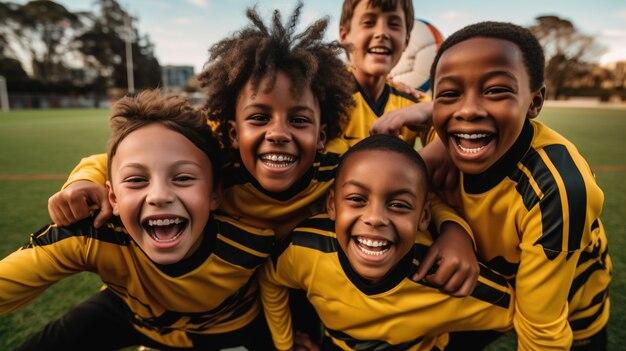
Childhood is a time when friendships are formed through shared experiences, and team sports offer one of the most rewarding ways to connect with others. Whether it’s during children’s football training, matches with a football club, or casual games, team sports create a unique environment that fosters camaraderie, trust, and mutual support. These bonds often extend far beyond the playing field, becoming the foundation of lifelong friendships.
The Team Environment: A Natural Bonding Ground
Team sports like football thrive on collaboration and communication. Players must work together toward a common goal, whether it’s scoring a goal, defending their side, or cheering on a teammate from the sidelines.
In children’s football clubs, the shared experiences of practice sessions, matches, and victories (or losses) create strong emotional connections. The camaraderie built during training drills or post-game celebrations is hard to replicate in other settings, making sports teams a natural bonding ground for young players.
Learning to Trust and Rely on Others
One of the unique aspects of team sports is the emphasis on trust. In football training, for example, players learn to depend on their teammates for passes, support, and encouragement. This reliance fosters a sense of mutual respect and understanding that strengthens relationships.
Over time, children recognize the value of each teammate’s role, appreciating their individual contributions to the team’s success. This trust often translates into off-the-field friendships, where kids continue to support one another in school or other areas of life.
Shared Challenges Create Stronger Bonds
Overcoming challenges together is a proven way to build deep connections, and team sports offer plenty of opportunities for shared struggles and triumphs. Whether it’s enduring a tough training session, bouncing back from a loss, or pushing through fatigue during a match, these experiences create a sense of unity among teammates.
Children in football clubs often remember these moments of perseverance long after their playing days are over. The bonds formed during these shared experiences become the foundation of friendships that can last a lifetime.
Celebrating Success Together
Team sports provide countless moments of joy and celebration, from scoring the winning goal to achieving a personal best during training. Sharing these successes with teammates amplifies the happiness and strengthens relationships.
In children’s football training, even small victories—like a perfectly executed pass or a great save—become opportunities for teammates to celebrate and encourage each other. This positive reinforcement fosters a supportive environment where friendships flourish.
Building Communication and Social Skills
Effective communication is essential in team sports. Players must convey their intentions clearly, listen to others, and work together to achieve their goals. These interactions help children develop important social skills, such as active listening, empathy, and compromise.
In football clubs, coaches often emphasize teamwork and collaboration, teaching players to resolve conflicts constructively and value each other’s opinions. These skills not only strengthen team dynamics but also prepare kids for building healthy relationships in other areas of life.
Emphasizing Inclusion and Acceptance
Team sports bring together children from diverse backgrounds, encouraging them to connect over a shared passion. Football training, for instance, teaches kids to embrace their differences and appreciate what each teammate brings to the table.
This inclusivity fosters an environment of acceptance and belonging, where every child feels valued and supported. Friendships formed in such an environment are built on mutual respect and understanding, qualities that contribute to their longevity.
Encouraging Peer Support
In team sports, players often act as each other’s biggest supporters. Whether it’s offering encouragement after a missed goal or cheering on a teammate who’s trying something new, these acts of kindness build a culture of peer support.
This dynamic is especially evident in children’s football clubs, where young players learn the importance of uplifting one another. Over time, these supportive behaviors become second nature, strengthening friendships both on and off the field.
Creating Memories That Last
The time spent on the field is filled with memorable moments—both big and small. From the thrill of winning a match to the laughter shared during a lighthearted training session, these memories are often cherished for years to come.
For many children, their teammates become an integral part of these experiences, making their friendships an inseparable part of their sports journey. Whether they stay in touch or reconnect years later, the bonds formed through team sports leave a lasting impact.
Life Lessons That Strengthen Friendships
Team sports teach valuable life lessons that enhance friendships, such as the importance of fairness, resilience, and mutual respect. Football training, for example, emphasizes the value of hard work, persistence, and celebrating others’ achievements.
These lessons shape children into empathetic and supportive individuals, qualities that are essential for building and maintaining strong relationships.
The Long-Term Impact of Team Sports Friendships
Friendships formed through team sports often endure the test of time. As children grow and move on to different phases of life, the bonds they created with teammates can remain a source of comfort and connection.
These friendships often extend beyond the immediate group, influencing how kids approach relationships in general. The trust, respect, and camaraderie developed through team sports become a blueprint for forming meaningful connections in the future.
By fostering an environment of collaboration, trust, and shared experiences, team sports like football provide children with much more than physical fitness—they offer the opportunity to build friendships that can last a lifetime.