
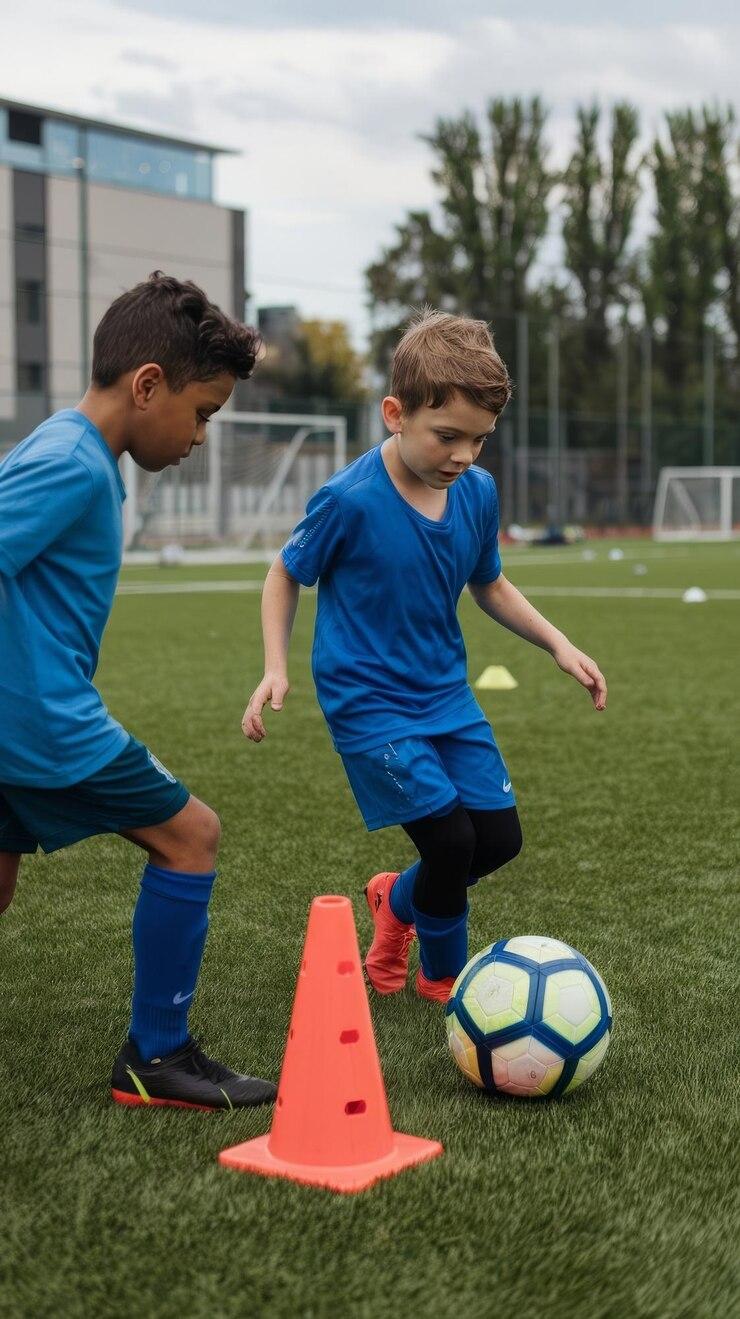
When parents think about signing their children up for a Childrens football club, the first things that often come to mind are fun, exercise, and a chance to make new friends. But there’s so much more happening beneath the surface. Every football training session, every game, every moment of teamwork contributes to a journey of growth that extends far beyond the pitch.
The lessons learned in a Childrens football club can shape a child’s character, skills, and mindset for life. Let’s explore the long-term benefits of introducing kids to football and how this decision can have a lasting impact on their future—both as athletes and as individuals.
Building a Foundation for Physical Health
One of the most immediate and lasting benefits of football is the development of healthy habits. Regular football training encourages children to stay active, improving their fitness, endurance, strength, and coordination. This foundation of physical health can carry into adulthood, reducing the risk of obesity, heart disease, and other health issues.
Football also promotes a love for movement—kids learn that exercise can be fun, exciting, and rewarding. This positive relationship with physical activity can lead them to explore other sports, such as tennis, where they might try a tennis session or even a private tennis session, broadening their skills and experiences.
Social Skills That Last a Lifetime
Football is a team sport, and being part of a Childrens football club teaches kids how to work together, communicate, and support one another. These social skills are not just useful on the field—they’re essential in school, future jobs, and relationships.
Through football, children learn to:
- Share success and deal with setbacks as a group.
- Listen and respond to feedback from coaches and teammates.
- Take turns and respect the contributions of others.
- Handle conflicts in a positive, constructive way.
These early lessons in teamwork and cooperation help children build strong friendships and develop empathy, skills that will benefit them in every aspect of life.
Discipline, Responsibility, and Goal-Setting
Joining a football club isn’t just about playing matches—it’s also about commitment. Kids learn to attend training sessions regularly, follow instructions, and take care of their equipment. They understand that improvement comes from effort, practice, and discipline.
These lessons in responsibility can shape their approach to schoolwork, chores at home, and future career goals. Children who learn to set targets in football training—like mastering a new skill or improving their passing accuracy—develop the mindset to tackle challenges in other areas of life, whether it’s studying for an exam or learning a musical instrument.
Resilience: Learning to Bounce Back
In football, as in life, not everything goes according to plan. There will be missed goals, tough losses, and moments of frustration. But in a Childrens football club, kids learn that setbacks are part of the game. Coaches teach them how to handle disappointment, how to keep trying after failure, and how to support others during tough times.
This resilience—knowing how to bounce back, stay motivated, and learn from mistakes—is one of the most powerful long-term benefits of football. It builds emotional strength that helps children face challenges far beyond the field, from academic struggles to social difficulties.
Leadership Skills in Action
Football is full of leadership moments, big and small. Whether it’s a child encouraging a teammate, helping organize a drill, or taking the initiative in a match, these experiences foster confidence and decision-making abilities.
In football clubs, kids gradually learn that leadership isn’t just about being the best player—it’s about being someone who lifts others up, stays calm under pressure, and makes thoughtful choices. These leadership skills will stay with them in school projects, group activities, and future workplaces.
Emotional Wellbeing and Mental Health
Playing football releases endorphins, the “feel-good” chemicals in the brain that boost mood and reduce stress. But beyond the science, football training provides a safe and positive outlet for emotions. Kids can channel energy, express feelings, and connect with others in a supportive environment.
Being part of a Childrens football club also creates a sense of belonging. Children feel like they’re part of a team, something bigger than themselves, which can reduce feelings of loneliness and increase overall happiness.
A Lifelong Passion for Sports
Many kids who start in football clubs develop a lifelong love for the game. They grow up playing with friends, watching matches, following teams, and maybe even coaching or refereeing when they’re older. For some, football might inspire an interest in other sports as well—perhaps leading to a tennis session or a private tennis session to explore different skills.
This passion for sports often extends into adulthood, keeping people active, healthy, and socially engaged throughout their lives.
A Safe and Supportive Environment
Football clubs create structured, safe environments where children can take risks, try new things, and learn in a positive setting. With qualified, DBS-checked coaches guiding them, kids are encouraged to develop their abilities while also being cared for emotionally and physically.
Parents can feel confident knowing their children are in good hands, surrounded by mentors who understand the balance between competition, fun, and personal growth.
A Lasting Impact
The true magic of enrolling kids in a Childrens football club is that the benefits don’t end when they leave the pitch. The focus, discipline, teamwork, and confidence they build during football training stay with them for years to come.
Whether they become athletes, artists, scientists, or leaders in their communities, the lessons learned on the field—resilience, empathy, hard work, and a love for movement—become part of who they are. And that’s a win far greater than any scoreline.
Read More: The Connection Between Sports and Academic Success in Children