

Is your child ready to embark on a footballing adventure? Many parents recognise the importance of physical activity and skill development in a child's life, but finding the right football program can often prove challenging. This comprehensive guide explores the benefits of football classes designed specifically for children aged 2-11, highlighting the crucial elements of a successful and enriching experience. We will delve into the developmental aspects of age-appropriate coaching, skill development techniques, safety protocols, and the broader social and emotional advantages of participation. Understanding these factors will empower parents to make informed decisions about their child's sporting future.
Football Classes for Ages 2-11: Fun Football for Youngsters
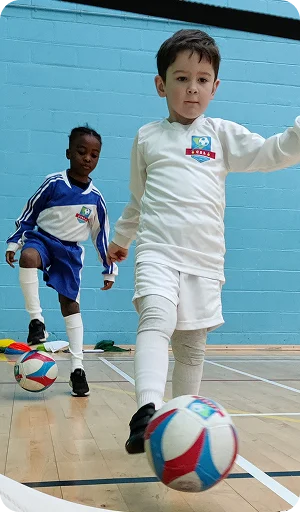
The early years are crucial in shaping a child's attitude towards physical activity and sport. Finding age-appropriate activities that cater to the developmental needs of young children is paramount. For children aged 2-5, the emphasis should be on fun and playful engagement rather than intense competition. Structured activities that introduce fundamental movement skills, such as running, jumping, throwing, and catching, are essential building blocks. In a football context, this translates to simple ball manipulation exercises, gentle passing games, and age-appropriate drills that build coordination and motor skills. The atmosphere should be relaxed and encouraging, fostering a love for the game without pressure to perform. This stage is all about establishing a positive association with sport and developing a foundation for future skill acquisition. The focus should remain on enjoyment and participation, allowing children to express themselves freely and develop their confidence through playful interaction.
The benefits extend far beyond the immediate physical skills learned. Participation in age-appropriate football activities at this young age fosters social development and interaction skills. Children learn to cooperate with others, share equipment, follow simple instructions, and respect teammates and coaches. These early experiences lay the groundwork for team dynamics and social etiquette, vital skills that extend far beyond the football pitch. Moreover, participation promotes physical well-being, enhancing cardiovascular health, coordination, and balance, creating a strong foundation for future fitness levels. The combination of social, emotional, and physical development ensures that participation provides a holistic benefit for the young child.
Developing Football Skills
As children progress through the age ranges of 6-11, the focus shifts to refining fundamental football skills and introducing more advanced techniques. For children in this age group, the classes will involve a more structured approach to learning specific skills such as dribbling, passing, shooting, and tackling. Sessions should incorporate a balance of technical drills, small-sided games, and more complex tactical exercises. This age group benefits from clear instruction and positive reinforcement. Coaches should provide specific feedback to improve technique, focusing on individual skill development within a collaborative team environment. The introduction of tactical elements, such as positional awareness and team play, introduces another layer of complexity to the game. This stage of development encourages children to think strategically, work collaboratively, and develop their problem-solving skills. Drills and games that simulate real-game situations, such as corner kicks, free kicks and throw-ins, can be incorporated to build tactical understanding and enhance decision-making skills on the pitch.
The progression of skill development should be carefully planned and monitored. Coaches need to differentiate instruction to meet the varying skill levels within the group, ensuring that all children are challenged appropriately. This necessitates a flexible and adaptable coaching approach. For example, a coach might work with individual players on specific technical skills while running simultaneous drills for the rest of the group. The key is to maintain a fun and engaging atmosphere, encouraging children to participate actively and celebrate their progress, even small improvements. This positive reinforcement fosters a sense of achievement and promotes continued engagement in the sport.
Safe and Engaging Football
Safety is, and must always be, the paramount concern in any children’s sports program. Implementing robust safety protocols is non-negotiable. This begins with thorough background checks and appropriate training for all coaches. Ideally, coaches should hold enhanced DBS checks and possess recognised first aid qualifications. Experience in working with children, ideally involving specific coaching qualifications, is also essential. Small class sizes are another critical element. These facilitate close supervision, allow for individualized attention, and minimize the risk of injury. The use of appropriate equipment, such as correctly sized footballs and protective gear where necessary, is crucial to ensuring a safe training environment.
The creation of a safe and engaging environment is also about more than just physical safety. It encompasses the psychological and emotional well-being of the child. A positive learning environment, characterized by encouragement, positive feedback, and mutual respect between coaches and players, is crucial for children’s development. Coaches should actively cultivate this atmosphere, ensuring that any form of bullying or discrimination is promptly addressed. Constructive feedback should focus on effort and progress rather than just results, fostering a culture of continuous improvement. Creating a sense of belonging and inclusion is essential for fostering a love of the game that extends beyond the immediate training sessions.
The coaching methods themselves should be developmentally appropriate, ensuring that the intensity and complexity of the drills and games align with the children's physical and cognitive capabilities. This requires coaches with a thorough understanding of child development principles. Regular communication between coaches and parents is essential to address any concerns or issues, promoting a collaborative approach to ensuring the child’s well-being and enjoyment.
Conclusion
Football classes for children aged 2-11 offer a rich and rewarding experience that extends beyond the development of sporting skills. Participation encourages physical fitness, improves coordination and motor skills, and helps children develop crucial social and emotional skills such as teamwork, cooperation, respect, and self-confidence. Through age-appropriate coaching methods, a focus on skill development, and a commitment to safety, these classes can provide a positive and formative experience that encourages a lifelong love of football and sport. Careful consideration of the key elements discussed – age-appropriate activities, skill development progression, safety protocols, and a positive learning environment – will ensure that children's participation is both enjoyable and beneficial. The overall aim is to create a supportive and inclusive environment where every child feels valued, respected, and empowered to reach their full potential.
Veja outras informações nos links a seguir: football classes for preschoolers, football classes for young players, football classes in north west london, football clubs for 10 years old near me, football clubs for 3 years old near me.
Our Educational Method
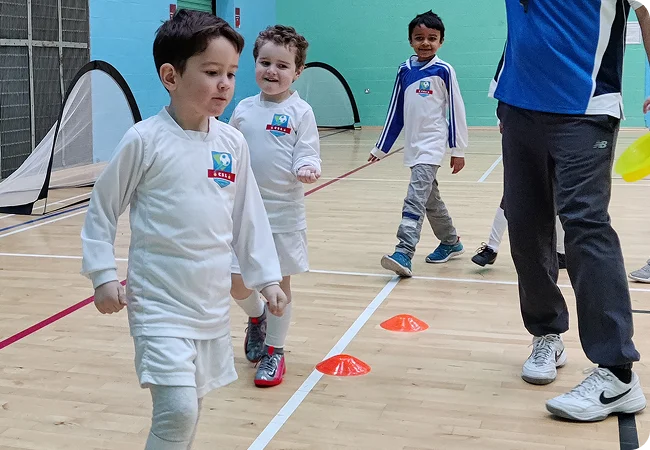
We use sport to boost early learning. Key skills like literacy, numeracy, colours, and shape recognition are a core focus in all our sessions.
Our expert coaches have years of experience coaching children from 18 months to 11 years.
All coaches hold Enhanced DBS Checks and Basic First Aid certification. We are fully committed to the safety of all children, parents, and staff, following strict safeguarding protocols.
Every game provides an engaging theme and a new skill to practise. So, whilst children are learning essential skills, they are having maximum fun.
Each session is filled with fun, energy, and varied movement, which helps to build their core coordination skills.
Stickerbook Rewards
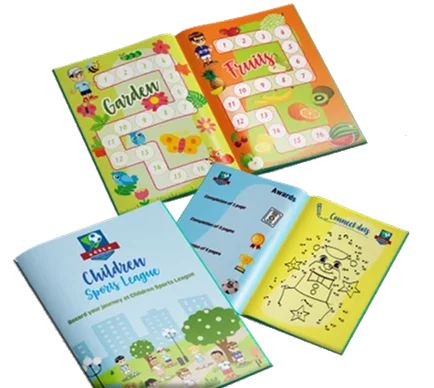
The Stickerbook is an excellent way to showcase the children's program to parents and incentivise good behaviour and participation. When the nursery chooses to enrol, Children Sport League provides every child with a Stickerbook to keep.
At the end of each session, the coach awards each child one sticker to place in their Stickerbook.
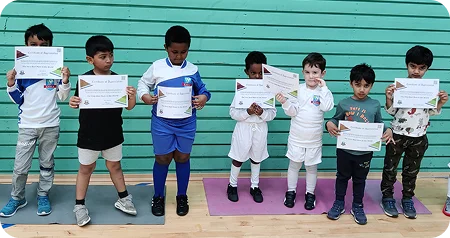
The children are rewarded with certificates, medals, and special prizes as they complete pages.
Private Lessons
Children Sports League's Private Sessions are bespoke and specialised to help your child to improve their skills in football.
These Private sessions can run in your garden or a local park. You can also invite your children's friends to take part.
We ensure that our coaches are fully aware of your needs for the session. For instance, a 'Technical' session will be composed for football drills that will focus on teaching basic football skills.
You may also like a 'Fun Session', this session will be composed of games that will get the children moving around, and using a lot of energy.
Our Coaches
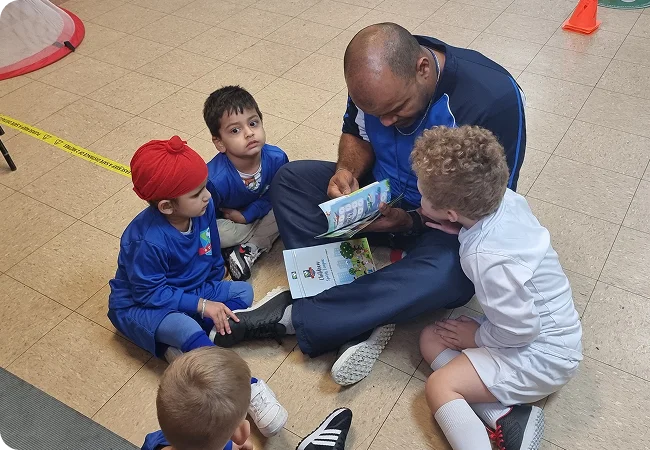
At CSL all our coaches have Enhanced DBS checks (provided on request) and basic first aid. Furthermore, sessions are run by coaches with 18+ months of experience, ensuring they are prepared for any occurrence.

Name: Arthur
Experience: 7 years
Role: Lead Coach

Name: Moises
Experience: 7 years
Role: Lead Coach

Name: Sophia
Experience: 2 years
Role: Lead Coach

Name: Denisa
Experience: 1 year
Role: Assistant Coach
Most Visited
Football clubs for 9 years old near meFootball practice sessions for kidsFootball training for 5 years old near meKids football skill workshopsPrivate tennis coachingTennis session for children in North West LondonTennis session in North West LondonTennis skills development for childrenBirthday Parties
Our birthday parties are 60 minutes filled with lots of fun games.
Your child will enjoy many activities, like a mini football match or fun games that improve their football skills and interests, making their day unique.
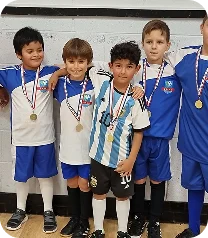
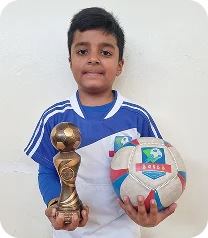
The team will receive a medal, and the birthday child receives a special trophy. For further information, feel free to contact us; we are always happy to help make your child's birthday special.
Our Gallery


Contact Us
We'd love to hear from you! Whether you have questions, feedback, or want to book a session, get in touch with us.