

Many children find traditional tennis lessons challenging. The rigid structure, repetitive drills, and competitive pressure can lead to frustration, boredom, and ultimately, a disinterest in the sport. This is where tennis mentorship offers a refreshing alternative. Instead of focusing solely on technical proficiency, a mentorship approach prioritises building confidence, fostering enjoyment, and creating a positive learning environment. This allows children to progress at their own pace, developing a strong foundation based on intrinsic motivation rather than external pressure. The result is a more sustainable and fulfilling experience, nurturing a genuine love for tennis and setting the stage for long-term participation and potential success. The emphasis shifts from merely teaching strokes to cultivating a holistic development, incorporating emotional intelligence and fostering a growth mindset. This approach recognises the individuality of each child, acknowledging that learning styles and developmental stages vary considerably. Consequently, mentorship allows for a flexible and adaptable learning journey, ensuring that the child's unique needs are consistently addressed.
Tennis Mentorship for Children
Unlike structured classes, mentorship provides the flexibility to adjust training based on the child's progress and response, ensuring optimal learning outcomes. For example, if a child struggles with a particular technique, the mentor can dedicate more time to that specific skill, breaking it down into smaller, manageable steps. Conversely, if a child demonstrates a natural aptitude for a particular skill, the mentor can introduce more advanced techniques earlier, preventing boredom and fostering a sense of accomplishment. This personalised approach allows for a more efficient and effective learning process, maximising the child's potential while maintaining their enthusiasm for the game. The individual attention and support offered by a mentor are vital in cultivating a positive learning environment that encourages risk-taking, exploration, and experimentation, ultimately leading to improved skills and a deeper appreciation for the sport.
The Benefits of Tennis Mentorship
The advantages of tennis mentorship extend far beyond improved tennis skills. A skilled mentor acts as a guide, coach, and friend, providing tailored support to nurture the child’s growth both on and off the court. Personalized attention is crucial, allowing the mentor to identify and address individual challenges and strengths. This individualized approach fosters rapid progress, ensuring the child comprehends the fundamentals of the game thoroughly. Furthermore, the mentorship relationship cultivates essential life skills that extend far beyond the tennis court. Discipline, perseverance, problem-solving abilities, and teamwork are all developed through the consistent practice and mentorship guidance. The mentor's role extends to fostering a positive attitude towards sports in general and promoting participation for the long term. By building a strong foundation of confidence and enjoyment, the mentor helps to prevent early burnout and establishes a lifelong love of the game.
Crucially, the mentor also cultivates resilience. Tennis, like life, is full of setbacks. A good mentor helps children develop the ability to bounce back from losses and learn from mistakes, fostering a growth mindset where challenges are seen as opportunities for development rather than insurmountable obstacles. This resilience translates into other aspects of the child's life, empowering them to face difficulties with confidence and determination. The holistic approach of tennis mentorship ensures that the child develops not only as a tennis player but also as a well-rounded individual, equipped with the skills and attributes necessary to thrive in various aspects of life. This is a significant advantage over traditional coaching, which often focuses solely on technical skills and competition.
Understanding the Basics of Tennis Mentorship
A tennis mentor is more than just a coach; they are a role model, a source of encouragement, and a trusted confidante. The relationship is built on mutual respect and trust, creating a safe and supportive environment where the child feels comfortable taking risks, experimenting with new techniques, and asking questions without fear of judgment. This fosters a sense of autonomy and ownership in the learning process, motivating the child to actively participate and invest in their own progress. A key element of effective mentorship is the balance between structured instruction and playful exploration. While fundamental tennis skills are taught, the learning process is infused with fun games, engaging drills, and friendly competitions, making practice enjoyable and preventing boredom. The mentor's ability to tailor the training to the child's individual needs and preferences is essential. They assess the child's strengths and weaknesses, adapting their teaching style to ensure optimal learning outcomes. This may involve focusing on fundamental skills for an extended period or accelerating the introduction of advanced techniques, depending on the child's progress and response. The mentor's flexibility and responsiveness are vital in maintaining the child's engagement and motivation. The mentor’s understanding of child development also plays a crucial role. Recognizing that children learn and process information differently, a successful mentor adapts their communication style, employing patience, clear explanations, and positive reinforcement. This creates a supportive and encouraging atmosphere that fosters self-belief and confidence, essential elements in the development of a skilled and enthusiastic tennis player. Regular feedback and honest assessment are crucial components of the mentorship relationship, providing the child with a clear understanding of their progress and areas for improvement. However, this feedback is always delivered constructively and positively, avoiding criticism and focusing on encouragement and motivation. The emphasis is always on effort and improvement, rather than solely on results.
Tools and Resources for Tennis Mentorship
Effective tennis mentorship leverages a variety of tools and techniques to enhance the learning experience and maximise the child's potential. Drills and games are essential components, transforming practice into an engaging and enjoyable activity. Drills help to refine specific skills, while games provide opportunities for applying those skills in a fun and competitive setting. Visual aids, such as videos and diagrams, enhance understanding of complex techniques, making them easier for children to grasp and implement. These visual tools can break down complex movements into smaller, more manageable steps, facilitating a more effective learning process. Clear communication is paramount, ensuring that instructions are easily understood and that feedback is constructive and motivating. Positive reinforcement is a crucial element, celebrating successes and encouraging effort, even in the face of setbacks. Simple rewards, such as stickers or small prizes, can provide additional motivation and a sense of accomplishment. These tangible rewards act as positive reinforcement, further encouraging the child's engagement and enthusiasm. In addition to these tools, keeping a journal to track progress can be surprisingly beneficial. This provides a visual record of the child’s development, highlighting their achievements and identifying areas needing further attention. This allows both the mentor and the child to reflect on progress, celebrate successes, and identify areas for improvement. This data-driven approach allows for a more targeted and effective coaching strategy. The journal also serves as a platform for goal-setting, allowing the child to participate actively in shaping their own learning journey and fostering a sense of ownership and responsibility for their progress. The mentor can use this journal to personalize the following sessions, addressing the child's specific weaknesses and building upon their strengths.
The Impact of Consistent Application
The consistent application of these tools and techniques is paramount to the success of tennis mentorship. Positive reinforcement, consistently applied, nurtures a growth mindset, encouraging the child to embrace challenges as opportunities for learning and development. Games and drills transform practice from a chore into a source of enjoyment, maintaining the child’s enthusiasm and motivation. Visual aids ensure that complex techniques are understood clearly, avoiding confusion and fostering efficient skill acquisition. The journal provides valuable data that allows the mentor to customize subsequent sessions, tailoring the training to the child's specific needs and ensuring that their strengths are nurtured while their weaknesses are addressed effectively. This integrated approach, combining various tools and techniques with consistent positive reinforcement, creates a supportive and engaging learning environment that maximizes the child's potential and fosters a lifelong love of tennis. By fostering a positive and supportive learning environment, a mentor contributes not only to the child's tennis skills but also to their overall development, instilling valuable life lessons and building confidence that extends beyond the court. The consistent application of these techniques ensures that the child’s experience is not only effective but also enjoyable and motivating, setting the stage for a long and fulfilling relationship with the sport. The personalized approach allows for the development of a unique learning journey tailored to the individual child's personality, learning style and ambitions.
Veja outras informações nos links a seguir: tennis practice for young players, tennis session for 3 years old in kilburn, tennis session for 3 years old in watford, tennis session for 3 years old in wembley, tennis session for 3 years old in north west london.
Our Educational Method
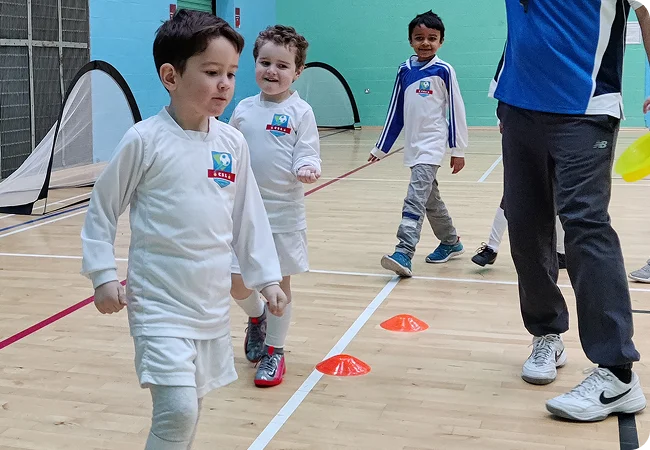
We use sport to boost early learning. Key skills like literacy, numeracy, colours, and shape recognition are a core focus in all our sessions.
Our expert coaches have years of experience coaching children from 18 months to 11 years.
All coaches hold Enhanced DBS Checks and Basic First Aid certification. We are fully committed to the safety of all children, parents, and staff, following strict safeguarding protocols.
Every game provides an engaging theme and a new skill to practise. So, whilst children are learning essential skills, they are having maximum fun.
Each session is filled with fun, energy, and varied movement, which helps to build their core coordination skills.
Stickerbook Rewards
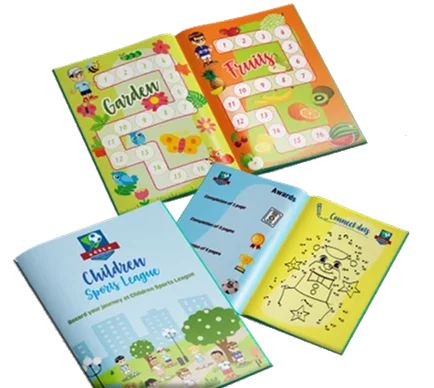
The Stickerbook is an excellent way to showcase the children's program to parents and incentivise good behaviour and participation. When the nursery chooses to enrol, Children Sport League provides every child with a Stickerbook to keep.
At the end of each session, the coach awards each child one sticker to place in their Stickerbook.
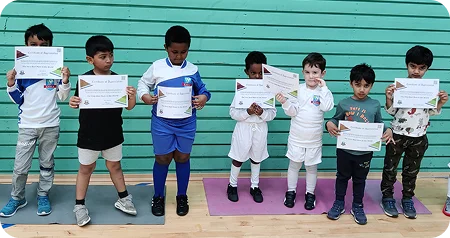
The children are rewarded with certificates, medals, and special prizes as they complete pages.
Private Lessons
Children Sports League's Private Sessions are bespoke and specialised to help your child to improve their skills in football.
These Private sessions can run in your garden or a local park. You can also invite your children's friends to take part.
We ensure that our coaches are fully aware of your needs for the session. For instance, a 'Technical' session will be composed for football drills that will focus on teaching basic football skills.
You may also like a 'Fun Session', this session will be composed of games that will get the children moving around, and using a lot of energy.
Our Coaches
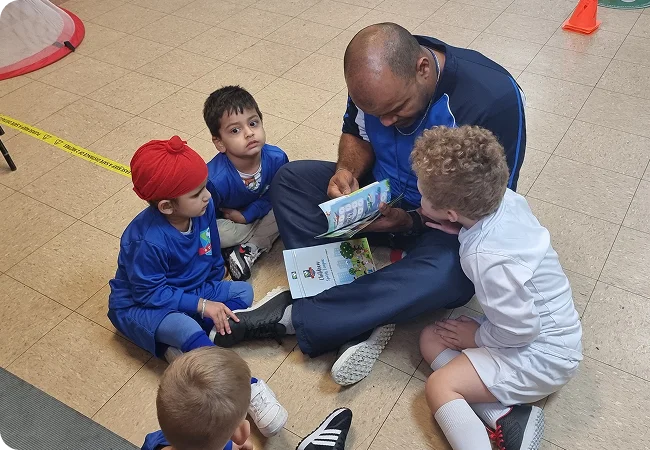
At CSL all our coaches have Enhanced DBS checks (provided on request) and basic first aid. Furthermore, sessions are run by coaches with 18+ months of experience, ensuring they are prepared for any occurrence.

Name: Arthur
Experience: 7 years
Role: Lead Coach

Name: Moises
Experience: 7 years
Role: Lead Coach

Name: Sophia
Experience: 2 years
Role: Lead Coach

Name: Denisa
Experience: 1 year
Role: Assistant Coach
Birthday Parties
Our birthday parties are 60 minutes filled with lots of fun games.
Your child will enjoy many activities, like a mini football match or fun games that improve their football skills and interests, making their day unique.
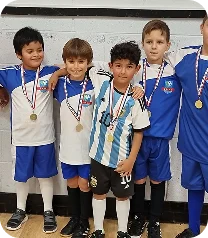
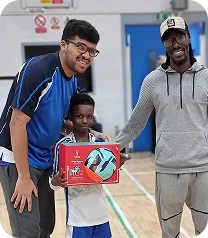
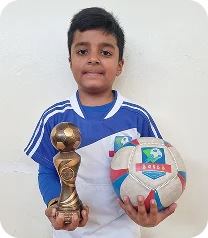
The team will receive a medal, and the birthday child receives a special trophy. For further information, feel free to contact us; we are always happy to help make your child's birthday special.
Our Gallery

Contact Us
We'd love to hear from you! Whether you have questions, feedback, or want to book a session, get in touch with us.