

Is your child ready to explore the exciting world of tennis? This dynamic sport offers a fantastic opportunity for children to boost their physical activity levels, enjoy themselves immensely, and cultivate valuable life skills. However, finding truly engaging tennis lessons tailored to young learners can sometimes be challenging. Many programs adopt a rigid, overly competitive approach that might discourage rather than inspire. This exploration delves into the key elements of creating stimulating and effective tennis lessons for children, focusing on fostering a genuine love for the game.
Fun Tennis for Children
Many children find traditional sports instruction monotonous and discouraging. The pressure to perform can lead to frustration and a diminished interest in the activity. Effective tennis lessons for children should prioritise fun and playful engagement, transforming the learning process into a positive and rewarding experience. By employing age-appropriate activities and exercises, skills are developed gradually, without the added stress of competitive pressures. A flexible approach that adapts to individual needs and learning styles is crucial for maintaining enthusiasm and fostering genuine progress.
The benefits of adopting a fun, engaging approach to tennis lessons extend far beyond simple skill acquisition. Children develop crucial hand-eye coordination, improve their overall fitness, and learn essential social skills through interaction with peers and instructors. Building confidence and self-esteem is a natural byproduct of mastering new skills. A well-structured program, focusing on enjoyment, is more likely to cultivate a lifelong love for the sport. Tennis provides opportunities for physical exertion, strategic thinking, and social interaction, enriching children's lives in multiple ways. The development of these skills contributes significantly to their overall personal growth and development. It's important to remember that the enjoyment of the game itself is a vital motivator in the learning process, fostering a positive attitude towards exercise and lifelong physical activity.
Learning Tennis the Way
Effective tennis instruction begins with a solid foundation in the fundamentals. Children need to learn the correct grip, the proper serving technique, and the basic strokes of forehand and backhand. Simple drills and interactive games provide a fun and effective method for acquiring these fundamental skills. For instance, games like “Hit the Target” encourage precision and accuracy while making practice enjoyable.
As children progress, more sophisticated techniques can be gradually introduced. This might include variations in serves, mastering volleys and overhead shots, and developing strategic court positioning. Throughout the learning process, a strong emphasis should be placed on teamwork and good sportsmanship. These values are essential not just for success on the court but also for developing well-rounded individuals. Building a strong technical foundation ensures that children are well-equipped for future advancement in the sport. Patience and positive reinforcement are crucial elements in supporting their progress and building their confidence.
Tennis Tools and Techniques for Success
The use of appropriate tools and resources plays a significant role in making tennis lessons engaging and effective. Younger children, for example, benefit from brightly coloured balls and smaller, lighter rackets, adapted to their physical capabilities and developmental stage. These modifications make the experience more manageable and enjoyable, encouraging participation and preventing frustration.
Incorporating fun games and challenges into the lesson plan maintains motivation and provides opportunities for skill development in a playful context. The use of beanbags or balloons, for example, can help improve hand-eye coordination and develop a sense of rhythm. Creative activities encourage problem-solving and improve reaction times. Such activities are equally valuable in developing strategic thinking and decision-making skills on the court.
The careful selection of age-appropriate equipment and activities is crucial for ensuring a positive and successful learning experience. By using these methods, children remain actively engaged, develop their skills quickly and build positive associations with the sport. This increases the likelihood that they will continue playing tennis for years to come. The goal is not just to teach them how to play tennis, but to instill a genuine love for the game that lasts a lifetime.
Adapting Lessons to Different Age Groups
The approach to tennis lessons needs to be tailored to the specific age and developmental stage of the children involved. Younger children (4-6 years old) will benefit from short, highly interactive sessions focused on basic skills and fun games. These sessions should incorporate movement-based activities and games that develop hand-eye coordination and gross motor skills. Emphasis should be on enjoyment and building a positive association with the sport.
For slightly older children (7-9 years old), the lessons can gradually incorporate more structured drills and techniques. The emphasis should still be on fun and engagement, but more complex skills like forehands, backhands, and serves can be introduced. Team-based activities and simple competitions can help motivate them.
With older children (10-12 years old), more advanced techniques and strategies can be explored. These lessons can include more competitive elements, but a focus on sportsmanship and positive feedback remains crucial. This age group is capable of understanding more complex concepts and can benefit from a more strategic approach to the game.
In each age group, regular feedback and encouragement are vital to boost confidence and sustain motivation. A skilled instructor should be capable of adapting their teaching style to the specific needs and capabilities of each individual child. A supportive and encouraging environment fosters a positive learning experience and encourages continued participation in the sport.
The Importance of Qualified Instruction
The success of any tennis program for children hinges on the quality of instruction. Experienced and qualified coaches play a vital role in creating a safe, engaging, and effective learning environment. They should possess a deep understanding of child development, pedagogy, and the nuances of tennis technique. Qualified instructors are able to adapt their teaching methods to different learning styles and personalities, ensuring that each child progresses at their own pace.
Qualified instructors can also create a positive learning environment that encourages teamwork, sportsmanship, and perseverance. They should be able to motivate children, build their confidence, and foster a love for the sport. The skills and knowledge of a good coach are invaluable in developing young tennis players and ensuring their enjoyment of the game. The role of the coach goes beyond merely imparting technical skills; it's also about nurturing a positive attitude and fostering a lifelong passion for the sport. Finding qualified instructors should be a priority for parents seeking engaging tennis lessons for their children.
The Long-Term Benefits of Tennis for Children
Engaging children in tennis offers numerous long-term benefits that extend beyond the immediate acquisition of skills. Tennis promotes physical fitness and healthy habits, contributing to overall well-being and reducing the risk of various health problems. The development of hand-eye coordination, agility, and strategic thinking has a positive impact on cognitive development and academic performance. Moreover, the social interaction involved fosters teamwork, cooperation, and valuable social skills. The discipline and commitment required to learn and improve contribute to the development of character and self-reliance.
These benefits are not limited to physical and cognitive development; tennis can also enhance self-esteem and build confidence. The sense of accomplishment that comes from mastering new skills and achieving goals has a positive impact on a child's self-perception and emotional well-being. These holistic benefits make tennis a valuable investment in the future well-being of children.
Conclusion
In conclusion, finding engaging tennis lessons for children requires a thoughtful approach that prioritises fun, developmentally appropriate instruction, and qualified coaching. By incorporating games, tailored equipment, and age-appropriate challenges, children can be inspired to develop a lifelong love for this dynamic and rewarding sport.
Veja outras informações nos links a seguir: beginner football classes wembley, beginner tennis lessons watford, beginner tennis lessons wembley, children tennis lessons in kilburn, children’s activity classes watford.
Our Educational Method
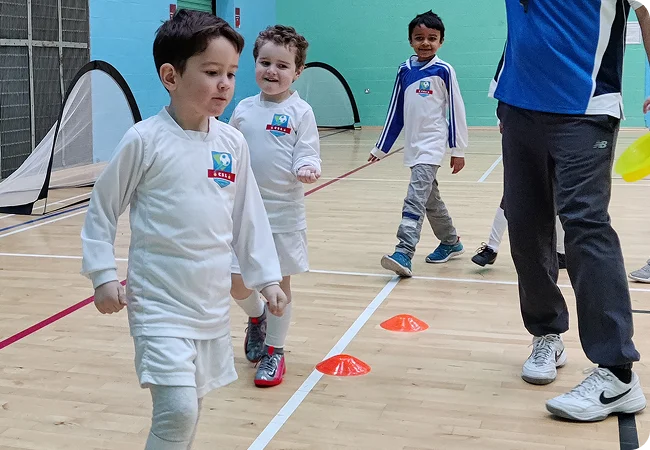
We use sport to boost early learning. Key skills like literacy, numeracy, colours, and shape recognition are a core focus in all our sessions.
Our expert coaches have years of experience coaching children from 18 months to 11 years.
All coaches hold Enhanced DBS Checks and Basic First Aid certification. We are fully committed to the safety of all children, parents, and staff, following strict safeguarding protocols.
Every game provides an engaging theme and a new skill to practise. So, whilst children are learning essential skills, they are having maximum fun.
Each session is filled with fun, energy, and varied movement, which helps to build their core coordination skills.
Stickerbook Rewards
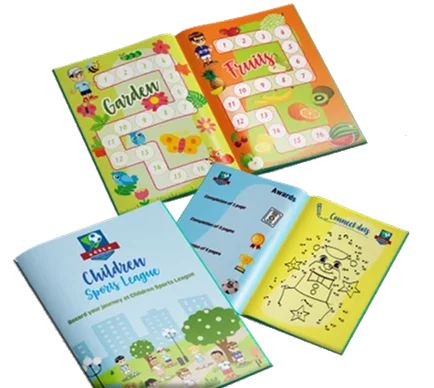
The Stickerbook is an excellent way to showcase the children's program to parents and incentivise good behaviour and participation. When the nursery chooses to enrol, Children Sport League provides every child with a Stickerbook to keep.
At the end of each session, the coach awards each child one sticker to place in their Stickerbook.
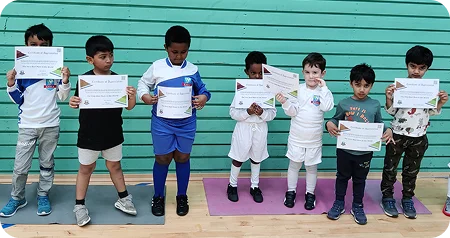
The children are rewarded with certificates, medals, and special prizes as they complete pages.
Private Lessons
Children Sports League's Private Sessions are bespoke and specialised to help your child to improve their skills in football.
These Private sessions can run in your garden or a local park. You can also invite your children's friends to take part.
We ensure that our coaches are fully aware of your needs for the session. For instance, a 'Technical' session will be composed for football drills that will focus on teaching basic football skills.
You may also like a 'Fun Session', this session will be composed of games that will get the children moving around, and using a lot of energy.
Our Coaches
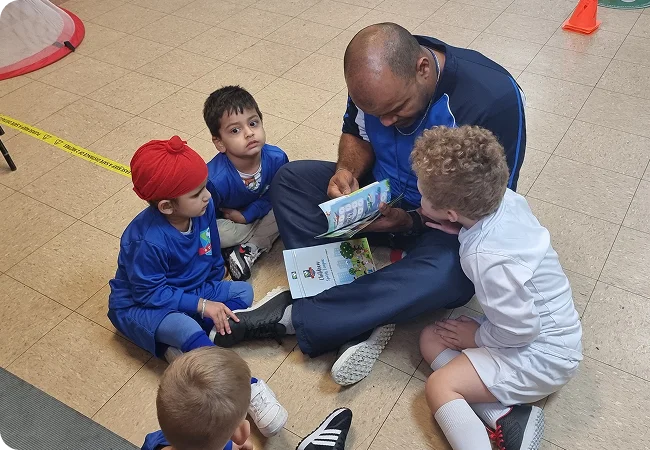
At CSL all our coaches have Enhanced DBS checks (provided on request) and basic first aid. Furthermore, sessions are run by coaches with 18+ months of experience, ensuring they are prepared for any occurrence.

Name: Arthur
Experience: 7 years
Role: Lead Coach

Name: Moises
Experience: 7 years
Role: Lead Coach

Name: Sophia
Experience: 2 years
Role: Lead Coach

Name: Denisa
Experience: 1 year
Role: Assistant Coach
Birthday Parties
Our birthday parties are 60 minutes filled with lots of fun games.
Your child will enjoy many activities, like a mini football match or fun games that improve their football skills and interests, making their day unique.
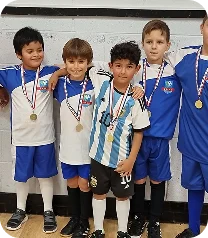
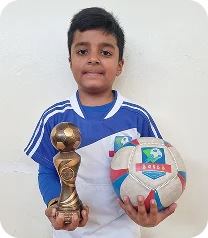
The team will receive a medal, and the birthday child receives a special trophy. For further information, feel free to contact us; we are always happy to help make your child's birthday special.
Our Gallery

Contact Us
We'd love to hear from you! Whether you have questions, feedback, or want to book a session, get in touch with us.